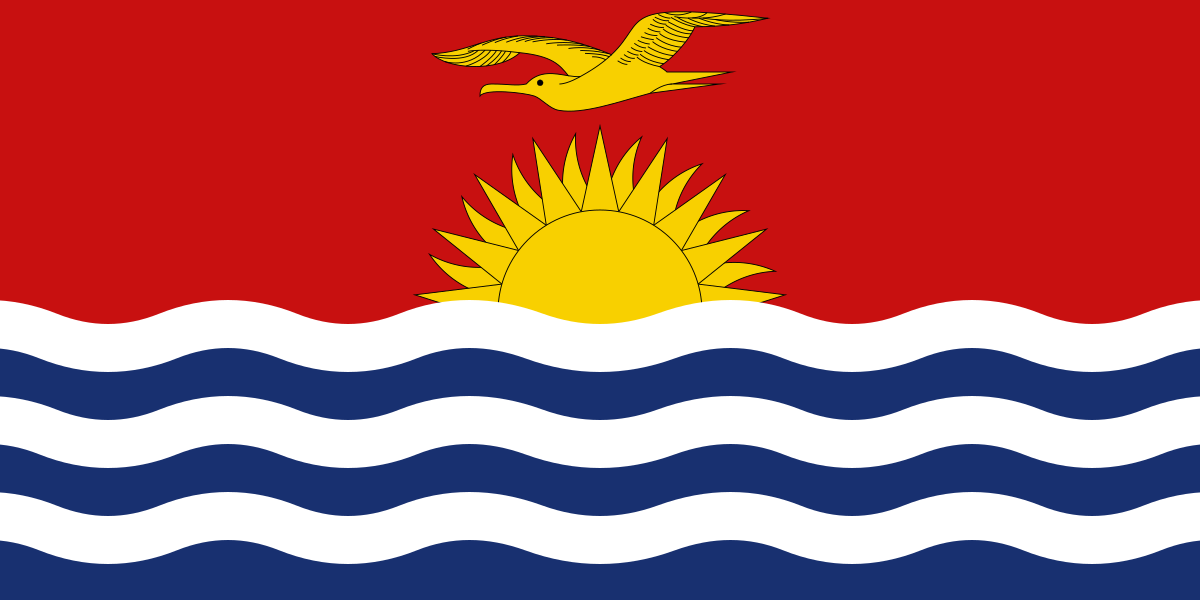
Kiribati
· KI

Kiribati

Kiribati

Kiribati, a stunning island nation located in the central Pacific Ocean, is a hidden gem waiting to be explored by adventurous travelers. With its pristine white sandy beaches, crystal-clear turquoise waters, and vibrant…

#Island nation#Pacific Ocean#Atolls#Remote location#Climate change vulnerability
1/4

Top hotels & flights

Hand-picked stays and the best fares into Kiribati.

Top Hotels in Tarawa

Top Flights to Tarawa

Popular activities

Tours, tickets and experiences travelers book most in Kiribati.

Tours

Wonders of Tarawa Atoll

Explore the historical and cultural landmarks of Tarawa Atoll, the capital of Kiribati, known for its pivotal role in WWII.

Fanning Island Exploration

Discover the rare beauty of Fanning Island, home to pristine beaches and unique wildlife.

Bird Watching at Kiritimati

Kiritimati or Christmas Island offers exceptional bird watching opportunities with rare migratory species.

Shopping

Market Bazaar in South Tarawa

Enjoy a variety of local foods, crafts, and artifacts at the bustling market in South Tarawa.

Outdoor

Diving Adventures in Butaritari

Experience breathtaking underwater life in Butaritari, an ideal spot for diving.

Adventure in the Phoenix Islands

Embark on an outdoor adventure in the remote and uninhabited Phoenix Islands, a UNESCO World Heritage Site.

Location videos

Real reels from travelers, plus longer watches to get the full picture.

From travelers
Watch & explore

Practical info

The essentials for planning your time in Kiribati.

Currency
$ | AUD | Australian Dollar Republic of Kiribati
Population
120,000
Languages
English, Gilbertese
Average weather
Kiribati
Jan
rain
31°25°
Feb
rain
31°25°
Mar
rain
31°25°
Apr
rain
31°25°
May
cloud
31°25°
Jun
cloud
31°25°
Jul
cloud
31°25°
Aug
cloud
31°25°
Sep
sun
31°25°
Oct
sun
31°25°
Nov
sun
31°25°
Dec
rain
31°25°

Local guide

What travelers love, what to watch for, and a deeper read on Kiribati.

What people love

Kiribati, located in the central Pacific Ocean, offers a unique and authentic travel experience. Here are some pros of traveling to Kiribati:

  1. Untouched Natural Beauty: Kiribati is home to stunning coral atolls, pristine beaches, and crystal-clear waters. The natural beauty of the islands is perfect for those seeking a peaceful and unspoiled environment.

  2. Rich Culture: The local culture in Kiribati is vibrant and welcoming. Travelers have the opportunity to immerse themselves in the traditional way of life, including music, dance, and local cuisine.

  3. Marine Life: Kiribati is a paradise for marine enthusiasts, with excellent opportunities for snorkeling, diving, and fishing. The waters surrounding the islands are teeming with colorful coral reefs and diverse marine life.

  4. Remote and Off-the-Beaten-Path: Kiribati is still relatively undiscovered by mass tourism, making it an ideal destination for those looking to explore off-the-beaten-path destinations and escape the crowds.

  5. Friendly Locals: The people of Kiribati are known for their warmth and hospitality towards visitors. Travelers can expect to be welcomed with open arms and may even have the chance to participate in local customs and traditions.

Overall, traveling to Kiribati offers a unique opportunity to experience a remote and culturally rich destination surrounded by natural beauty.

What to know

Some potential cons of traveling to Kiribati may include:

  1. Remote location: Kiribati is located in the central Pacific Ocean, making it a remote destination that can be challenging to reach. Limited flights and long travel times may be a drawback for some travelers.

  2. Limited infrastructure: Kiribati is a developing country with limited infrastructure, including accommodation options, transportation, and healthcare facilities. Visitors may need to adjust their expectations accordingly.

  3. Climate change impact: Kiribati is particularly vulnerable to the effects of climate change, such as rising sea levels and extreme weather events. This could potentially impact travel plans and the overall experience of visiting the country.

  4. Health concerns: As with many tropical destinations, travelers to Kiribati should be aware of potential health risks such as mosquito-borne diseases like dengue fever and chikungunya. It's important to take necessary precautions and consult with a healthcare provider before traveling.

  5. Limited tourist attractions: While Kiribati offers stunning natural beauty and unique cultural experiences, it may not have as many tourist attractions or activities compared to more popular destinations. Travelers looking for a wide range of activities and amenities may find Kiribati lacking in this regard.

Please note that these are general considerations and individual experiences may vary. It's always a good idea to research further and consult with travel advisories before planning a trip to Kiribati.

Kiribati is an island nation located in the central Pacific Ocean. It is composed of 33 atolls and reef islands, which are dispersed over a large area near the equator. Here is a detailed history of Kiribati:

Early History

  • Settlement: The islands of Kiribati were first settled by Austronesian-speaking people around 3000-2000 BCE. Later migrations from Samoa, Tonga, and Fiji influenced the culture and society of the islands.
  • Pre-European Contact: The indigenous people of Kiribati lived in small communities and developed distinct cultures. They engaged in traditional navigation and fishing, with a social structure based around family and clan ties.

European Contact and Colonization

  • First European Contact: The first Europeans to arrive were Spanish explorers in the 16th century, although they did not settle. The islands were relatively isolated from European influence until the 19th century.
  • 19th Century: European whalers, traders, and missionaries began visiting the islands. The London Missionary Society was particularly influential, introducing Christianity, which became a major part of Kiribati culture.
  • British Colonization: In 1892, the islands became part of the British protectorate known as the Gilbert and Ellice Islands Colony. This led to significant changes in the governance and economy of the islands.

20th Century

  • World War II: During World War II, the Japanese occupied some of the islands, including Tarawa. The Battle of Tarawa in 1943 was a significant and brutal battle in the Pacific Theater, with the United States forces eventually capturing the island from the Japanese.
  • Post-War Period: After the war, the islands remained under British control. There was increasing movement toward self-governance.
  • Independence: In 1975, the Ellice Islands separated to become what is now Tuvalu. The remaining Gilbert Islands gained independence from Britain on July 12, 1979, and became the sovereign nation of Kiribati.

Modern Kiribati

  • Environmental Challenges: Kiribati faces significant challenges due to rising sea levels and climate change. Much of its land is low-lying, making it vulnerable to flooding and erosion.
  • Political Structure: Kiribati is a republic with a president as head of state. Its political system is based on a parliamentary democracy.
  • Economy: The economy is primarily based on fishing and agriculture, with copra and fish being the main exports. The nation also benefits from its exclusive economic zone, which is rich in marine resources.
  • Cultural Heritage: Despite modernization, traditional culture remains strong in Kiribati, including dance, music, and crafts.

Important Landmarks

  • Tarawa: The capital and one of the most significant atolls, it was the site of the Battle of Tarawa during WWII. Today, it is the political and economic center of Kiribati.
  • Kiribati National Museum: Located in Tarawa, it showcases the cultural and historical heritage of the islands.
  • Phoenix Islands Protected Area (PIPA): One of the largest marine protected areas in the world, it is a UNESCO World Heritage site known for its biodiversity and conservation efforts.

Notable Figures

  • Sir Ieremia Tabai: The first President of Kiribati, serving from 1979 to 1991, he played a key role in the country's early development as an independent nation.
  • Teburoro Tito: Served as President from 1994 to 2003, known for his focus on environmental issues and development.

Kiribati continues to navigate the challenges of the 21st century, dealing with the impacts of climate change, while maintaining its unique cultural identity and heritage.