
Khorāsān-e Shomālī
· IR

Khorāsān-e Shomālī

Khorāsān-e Shomālī, Iran

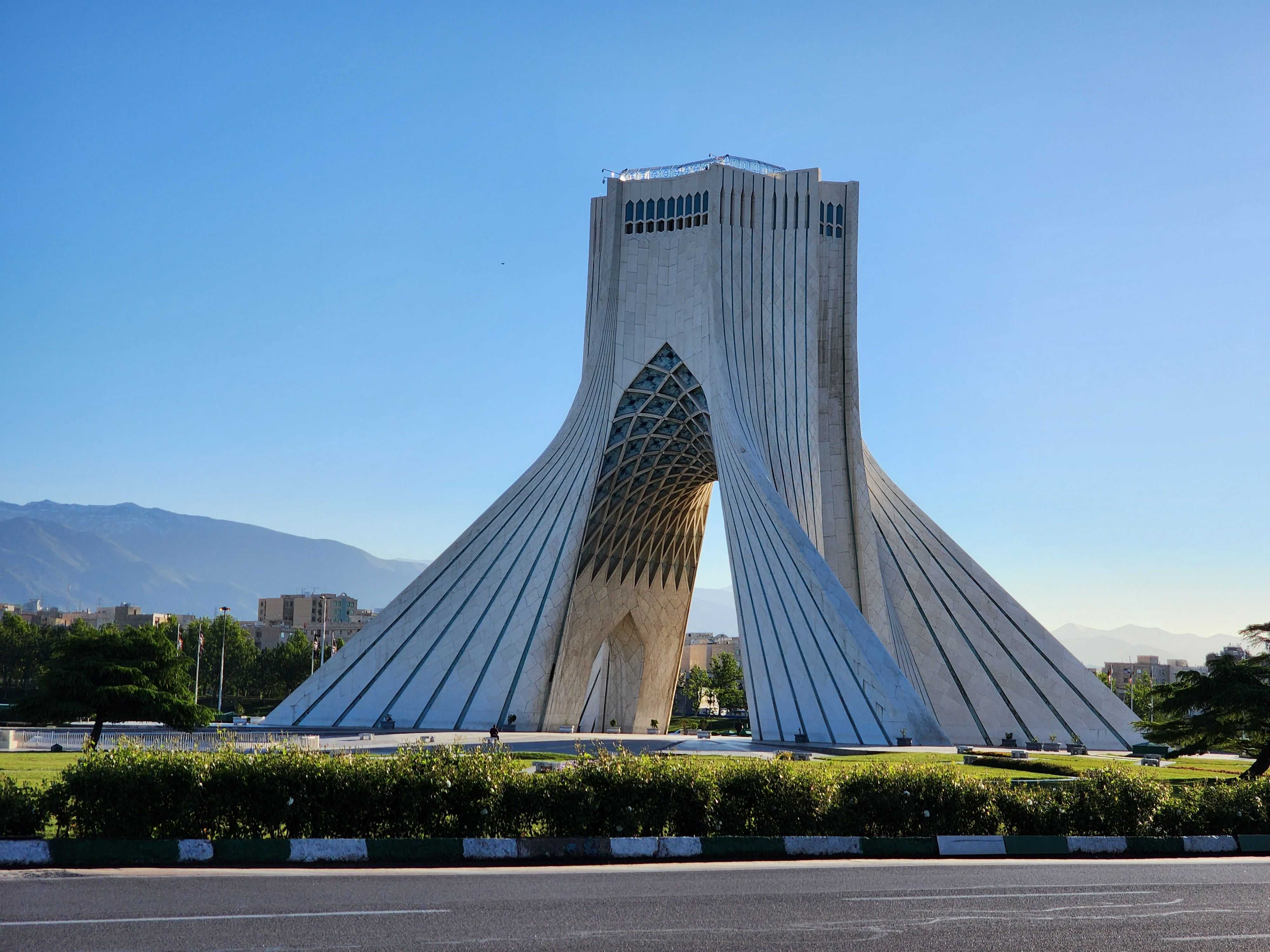
Journey to the Heart of Ancient Persia: Discover Khorāsān-e Shomālī Nestled amidst the emerald slopes of the Alborz Mountains and the vast plains of northeast Iran lies Khorāsān-e Shomālī, a province brimming with natura…

#Iran#Khorāsān-e Shomālī#Middle East#Eastern Iran#Historical sites
1/5

Top hotels & flights

Hand-picked stays and the best fares into Khorāsān-e Shomālī.

Top Hotels in Khorāsān-e Shomālī

Top Flights to Khorāsān-e Shomālī

Location videos

Real reels from travelers, plus longer watches to get the full picture.

From travelers
Watch & explore

Practical info

The essentials for planning your time in Khorāsān-e Shomālī.

Currency
﷼ | IRR | Iranian Rial
Population
Information not available.
Languages
Persian, Persian, Turkmen, Kurdish

Local guide

What travelers love, what to watch for, and a deeper read on Khorāsān-e Shomālī.

What people love

Khorāsān-e Shomālī, or North Khorasan, is a province in northeastern Iran that offers a range of attractions and experiences for travelers. Here are some of the pros of traveling to this region:

  1. Cultural Heritage: North Khorasan is home to various ethnic groups, including Kurds, Turkmen, Persians, and others, which makes it rich in cultural diversity. This diversity is reflected in local traditions, music, dance, and festivals.

  2. Historical Sites: The province has several historical sites that attract history enthusiasts. Notably, the ancient city of Esfarayen and the ruins of Belqeis Castle are significant attractions. The region’s history dates back to ancient times, offering insights into the Persian Empire and the Islamic era.

  3. Natural Beauty: The landscape of North Khorasan is diverse, featuring mountains, forests, and rivers. The Golestan National Park, although primarily located in the neighboring Golestan Province, is accessible from North Khorasan and is known for its wildlife and natural scenery.

  4. Traditional Crafts: The region is known for its traditional crafts, including carpet weaving and handmade textiles. Visitors can explore local markets and workshops to observe and purchase these unique handmade goods.

  5. Cuisine: The local cuisine is influenced by the diverse ethnic groups in the area, offering a variety of flavors and dishes. Traditional foods often feature local herbs and spices, providing a unique culinary experience.

  6. Hospitality: Iranian culture is renowned for its hospitality, and the people of North Khorasan are no exception. Visitors often experience warm welcomes and friendly interactions with locals.

  7. Less Crowded: Compared to more popular tourist destinations in Iran, North Khorasan is less crowded, allowing travelers to explore its attractions without the hustle and bustle of larger tourist areas.

  8. Adventure Opportunities: The province offers opportunities for outdoor activities such as hiking, trekking, and exploring the rural countryside, which can be both adventurous and relaxing.

Traveling to Khorāsān-e Shomālī provides a unique opportunity to experience the cultural and natural richness of northeastern Iran.

What to know

Information not available.

Khorāsān-e Shomālī, or North Khorasan, is a province in northeastern Iran, established in 2004 when the former Khorasan Province was divided into three separate provinces: North Khorasan, South Khorasan, and Razavi Khorasan. Here is a detailed history of the region:

  1. Ancient and Medieval History:

    • The broader region of Khorasan, historically known as "the land of the rising sun," has been a significant cultural and economic region throughout Persian history. It has served as a crossroads for trade routes, including the Silk Road, and has been influenced by various empires such as the Achaemenids, Parthians, Sassanids, and later Islamic caliphates.
    • Important historical cities in the broader Khorasan region include Nishapur and Tus, which have been centers of culture and learning.
  2. Islamic and Post-Islamic Era:

    • During the Islamic Golden Age, Khorasan became a center of science and culture, producing notable scholars such as Avicenna (Ibn Sina) and Al-Farabi.
    • The region saw various ruling dynasties, including the Ghaznavids, Seljuks, and eventually the Khwarezmians.
  3. Mongol Invasion:

    • The Mongol invasions in the 13th century had a significant impact on Khorasan, leading to substantial destruction and changes in population dynamics.
  4. Timurid and Safavid Periods:

    • The Timurid dynasty, founded by Timur (Tamerlane), had its capital in the city of Herat, which is now in Afghanistan but was part of Khorasan at the time.
    • The Safavid dynasty, starting in the 16th century, integrated Khorasan into its empire, promoting Shia Islam as the state religion.
  5. Modern Era and Administrative Changes:

    • In the 20th century, Khorasan was part of the larger province of the same name. It played a crucial role during the Iranian Constitutional Revolution in the early 20th century.
    • In 2004, the province of Khorasan was divided into three separate provinces to better manage the region and address local administrative needs.
  6. Significant Cities and Landmarks:

    • Bojnurd: The capital city of North Khorasan, known for its cultural diversity and as a center for the Turkmen, Kurds, Persians, and other ethnic groups.
    • Esfarayen: An ancient city with historical significance, known for its traditional Kurdish and Persian population.
    • Jajarm: Known for its natural beauty and historical sites, including ancient caravanserais.
  7. Cultural Heritage:

    • Khorasan has a rich tradition of music, represented by the Khorasani music style, which is an integral part of Iranian cultural heritage.
    • The region is also known for its unique handicrafts, including carpets and textiles.
  8. Notable Figures:

    • Although specific historical figures from North Khorasan may not be as prominent, the region as part of the broader Khorasan has been home to many scholars, poets, and leaders throughout Persian history.

In summary, North Khorasan is a province with a rich tapestry of history, shaped by its strategic location and cultural diversity. It has been influenced by numerous empires and remains an important part of Iran's cultural and historical landscape.