
Top hotels & flights
Hand-picked stays and the best fares into Kastoriá.
Top Hotels in Kastoriá
Top Flights to Kastoriá
Location videos
Real reels from travelers, plus longer watches to get the full picture.
Practical info
The essentials for planning your time in Kastoriá.


Local guide
What travelers love, what to watch for, and a deeper read on Kastoriá.
What people love
Kastoriá, located in the region of Dytikí Makedonía in Greece, offers a unique and picturesque destination for travelers. Some of the pros of traveling to Kastoriá include:
-
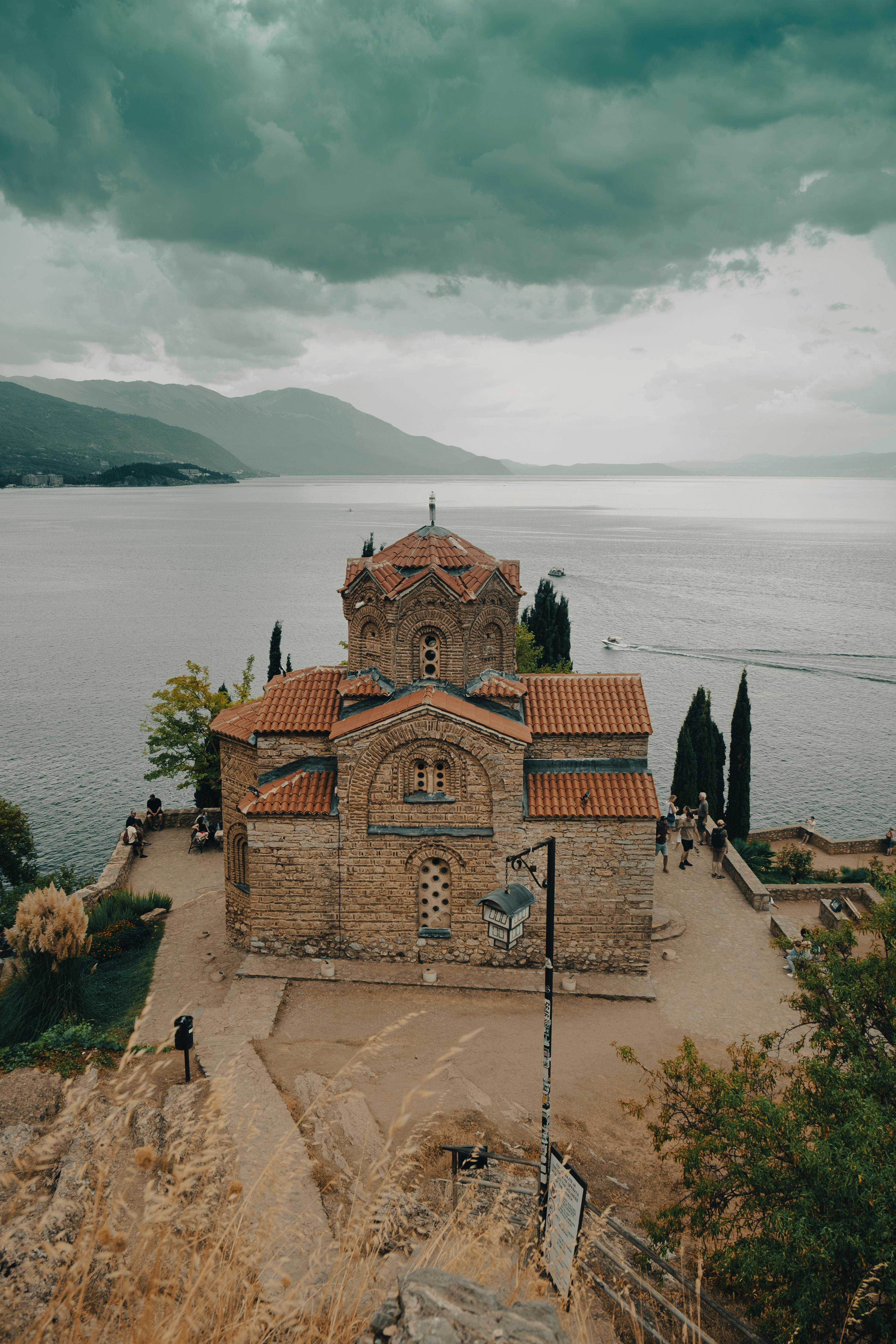
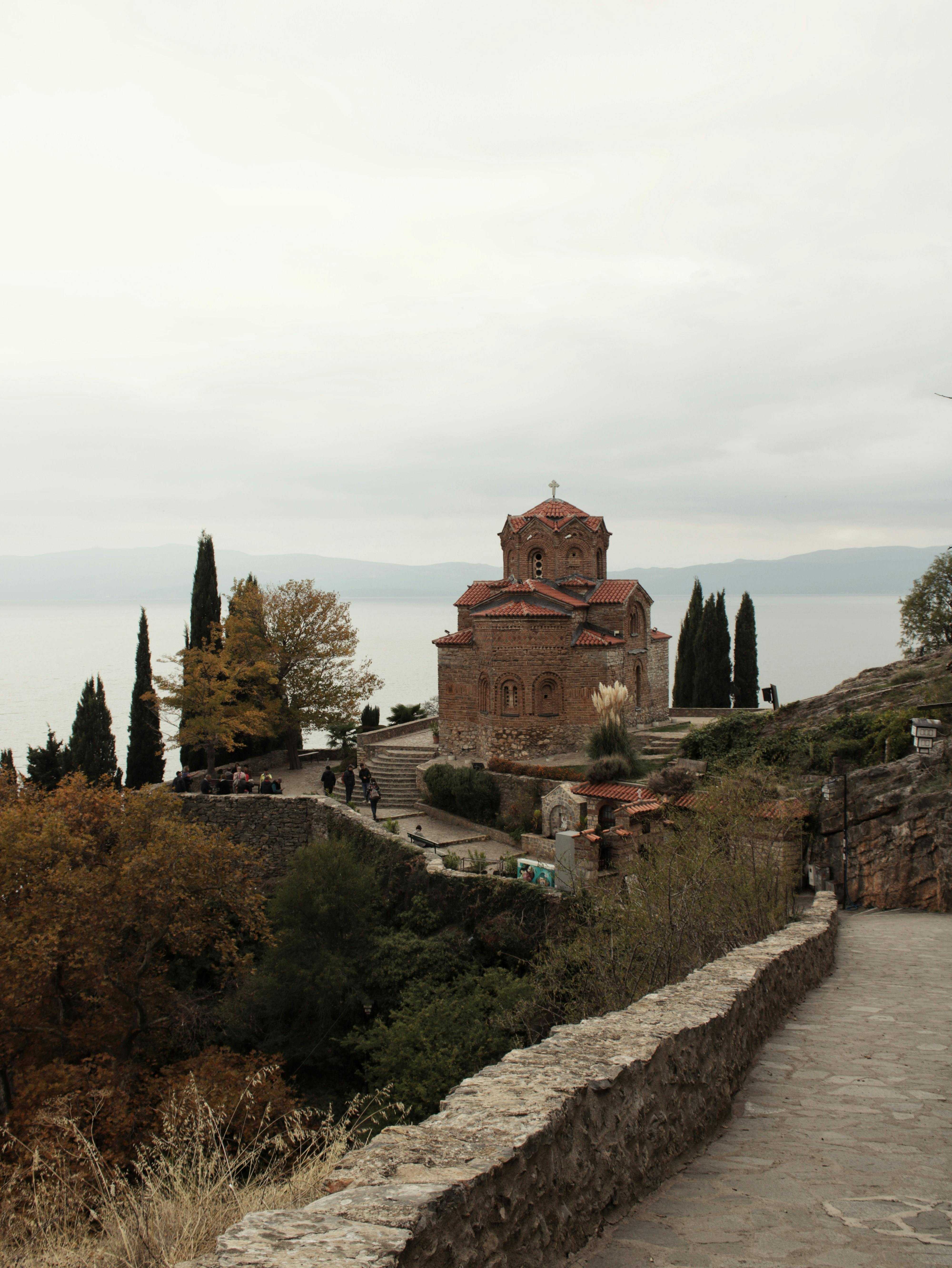
Scenic Beauty: Kastoriá is known for its stunning natural beauty, with its charming lakeside setting and traditional architecture. Visitors can enjoy scenic views of Lake Orestiada and the surrounding mountains.
-
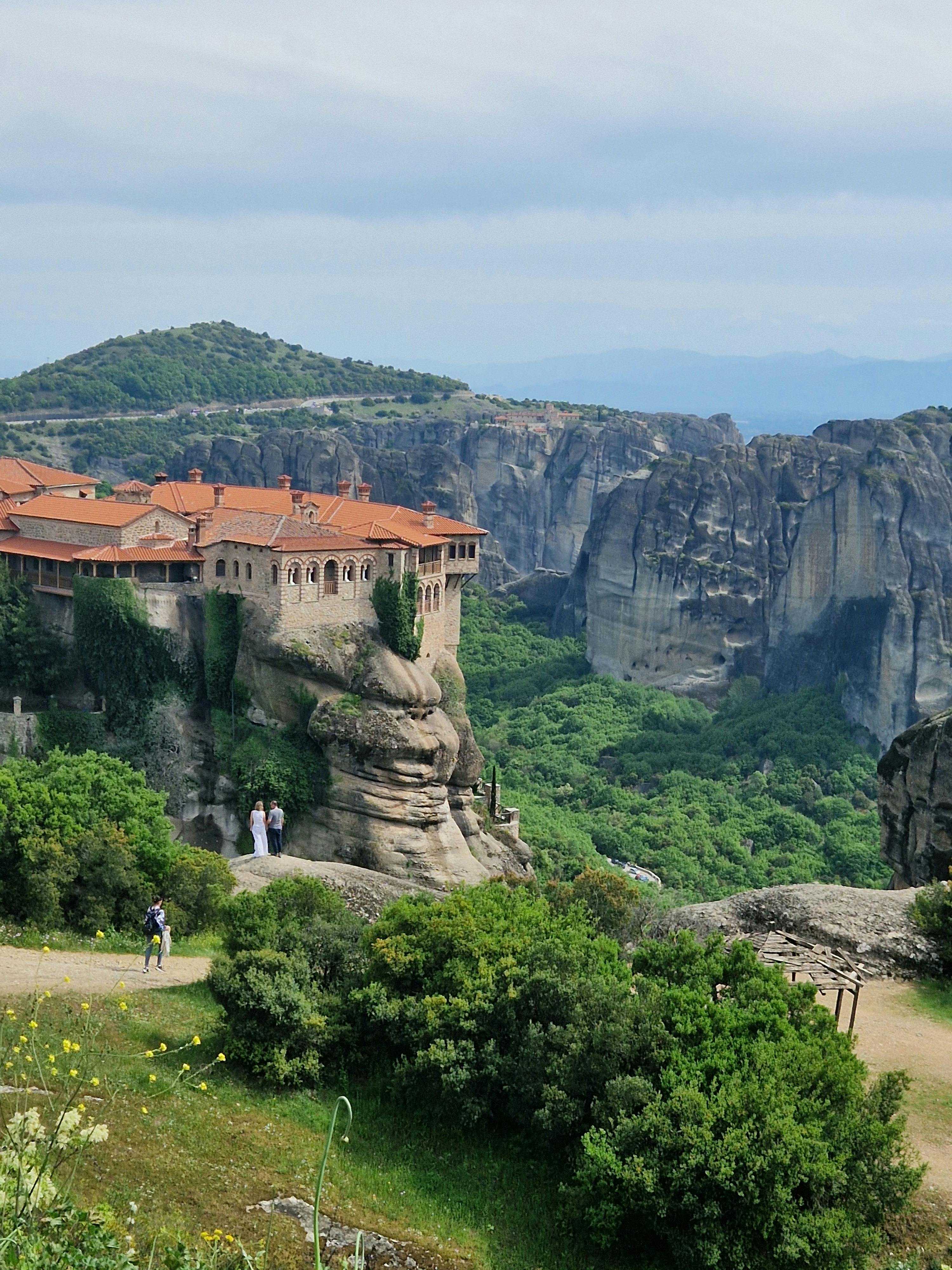
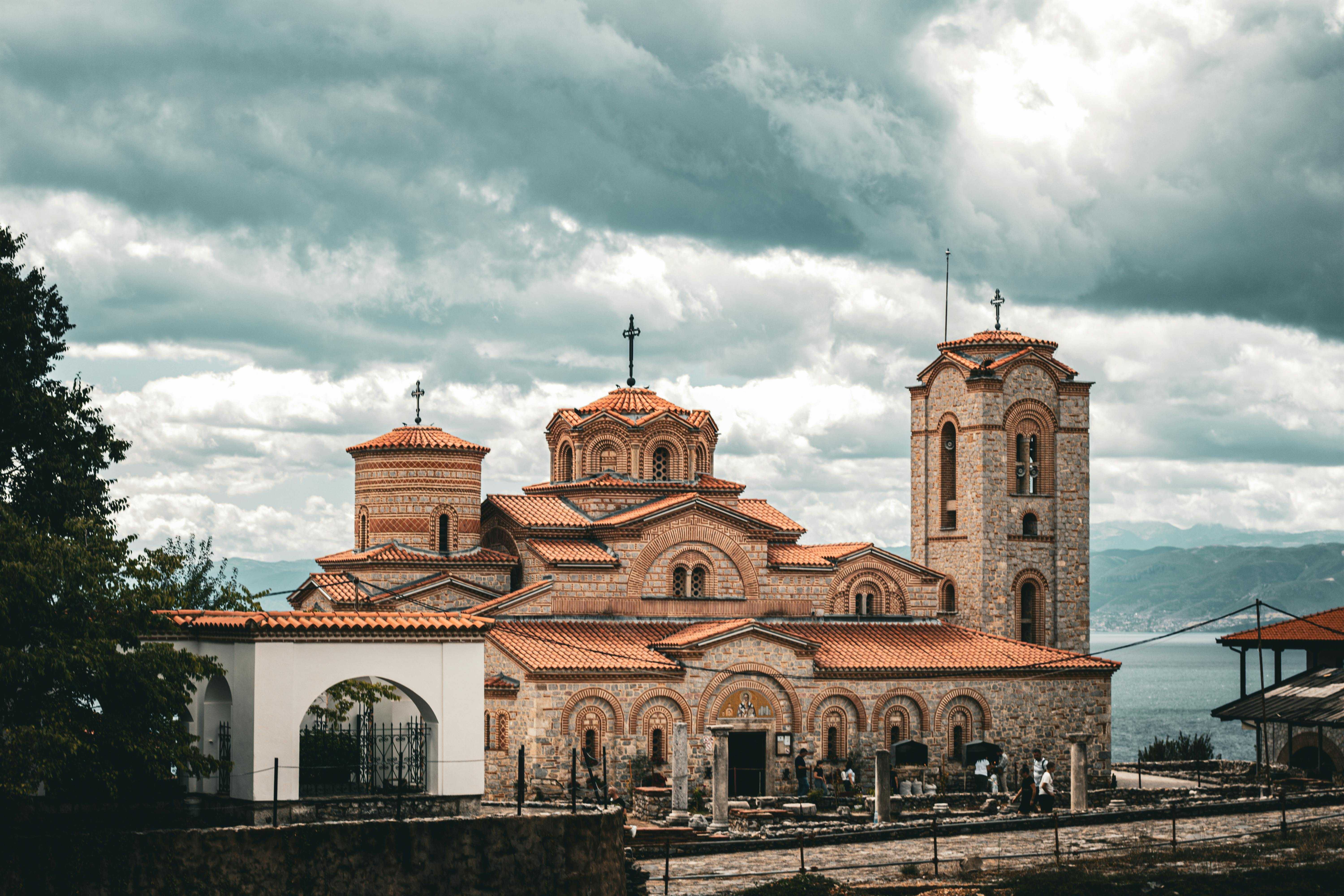
Cultural Heritage: The town of Kastoriá is rich in history and culture, with many Byzantine churches, Ottoman-era buildings, and museums to explore. Visitors can learn about the region's fascinating past and experience its unique cultural traditions.
-
Outdoor Activities: Kastoriá is a great destination for outdoor enthusiasts, with opportunities for hiking, boating, and other recreational activities in the surrounding mountains and lakes. Visitors can also explore the nearby Prespa National Park, known for its diverse wildlife and beautiful landscapes.
-
Local Cuisine: Kastoriá is famous for its delicious local cuisine, including traditional dishes like pies, local cheeses, and freshwater fish from Lake Orestiada. Visitors can enjoy authentic Greek flavors at the town's many restaurants and tavernas.
-
Authentic Experience: Traveling to Kastoriá offers visitors a chance to experience a less touristy and more authentic side of Greece. The town's laid-back atmosphere and friendly locals make it a welcoming destination for those looking to immerse themselves in Greek culture.
Overall, traveling to Kastoriá can be a rewarding experience for those looking to explore a unique destination off the beaten path in Greece.
Enjoy your trip to Kastoriá!
What to know
Traveling to Kastoriá, located in Dytikí Makedonía, Greece, may have some cons that visitors should be aware of:
-
Limited transportation options: Kastoriá is not as easily accessible as some other popular tourist destinations in Greece. The nearest airport is in Thessaloniki, which is about a 3-hour drive away. Public transportation within Kastoriá itself may also be limited.
-
Weather conditions: Kastoriá experiences cold winters and hot summers. Travelers should be prepared for extreme weather conditions depending on the time of year they visit.
-
Limited tourist infrastructure: Kastoriá is not as developed for tourism compared to other Greek cities like Athens or Santorini. Visitors may find fewer options for accommodations, restaurants, and attractions compared to more popular destinations.
-
Language barrier: While some locals may speak English, Greek is the predominant language in Kastoriá. Travelers who do not speak Greek may face challenges communicating with locals and navigating the area.
-
Limited tourist attractions: While Kastoriá is known for its beautiful Byzantine and Ottoman architecture, it may not offer as many tourist attractions and activities as other Greek cities. Visitors looking for a bustling nightlife or a wide range of entertainment options may find Kastoriá lacking in this aspect.
Overall, while Kastoriá offers a unique and charming experience for travelers looking to explore a less touristy part of Greece, visitors should be prepared for some of the limitations and challenges that come with traveling to this destination.