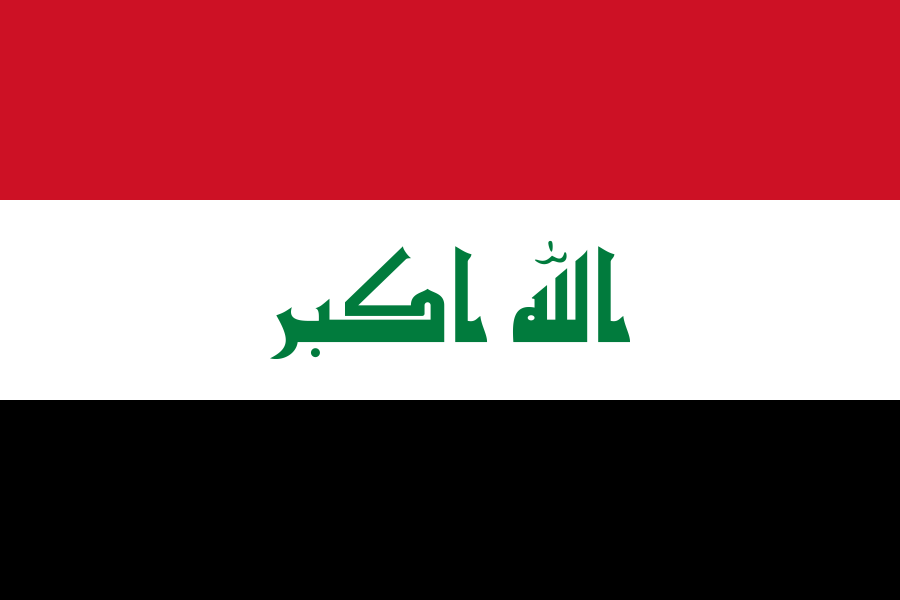
Kirkuk Citadel Visit
Explore the historic Kirkuk Citadel, a landmark of ancient architecture offering stunning views of the city.
Hand-picked stays and the best fares into Karkūk.
Tours, tickets and experiences travelers book most in Karkūk.
Explore the historic Kirkuk Citadel, a landmark of ancient architecture offering stunning views of the city.
Experience the local culture and shop for traditional crafts and goods in Kirkuk's bustling market.
Enjoy a relaxing picnic and outdoor activities by the scenic Khasa River.
Real reels from travelers, plus longer watches to get the full picture.
The essentials for planning your time in Karkūk.
What travelers love, what to watch for, and a deeper read on Karkūk.
Kirkuk is a city located in Iraq with a rich history and cultural significance. Here are some potential pros of traveling to Kirkuk:
Historical Sites: Kirkuk has a long history dating back to ancient times, with various historical sites such as the Kirkuk Citadel, which is one of the oldest inhabited citadels in the world. Exploring these historical sites can provide a unique insight into the region's past.
Cultural Diversity: Kirkuk is known for its diverse population, consisting of Arabs, Kurds, Turkmen, and other ethnic groups. Traveling to Kirkuk can offer an opportunity to experience this cultural diversity through interactions with locals, sampling different cuisines, and witnessing traditional festivals and events.
Natural Beauty: The surrounding region of Kirkuk is known for its natural beauty, with picturesque landscapes, mountains, and valleys. Outdoor enthusiasts may enjoy activities such as hiking, trekking, and birdwatching in the area.
Local Markets: Kirkuk is home to vibrant markets and bazaars where visitors can shop for traditional handicrafts, spices, textiles, and other local products. Exploring these markets can be a great way to immerse yourself in the local culture and support local artisans.
Hospitality: Iraqi hospitality is renowned for being warm and welcoming, and visitors to Kirkuk may have the opportunity to interact with friendly locals who are eager to share their culture and traditions.
Please note that the security situation in Kirkuk and Iraq in general can be volatile, so it is essential to stay informed about the latest travel advisories and safety precautions before planning a trip to the region.
If you have any specific questions or need more information, feel free to ask!
Traveling to Karkūk, Iraq, can have several potential cons due to the current political and security situation in the region. Here are some detailed cons of traveling to Karkūk:
Security Concerns: Karkūk has been a site of conflict and tensions between different ethnic and religious groups. The city has experienced violence and instability in the past, including terrorist attacks and clashes between armed groups. Travelers may be at risk of being caught in the crossfire or becoming victims of violence.
Travel Restrictions: The security situation in Karkūk and Iraq, in general, may lead to travel restrictions imposed by local authorities or international governments. This could limit your movements within the city or require special permits for certain areas.
Health and Sanitation Concerns: Iraq, including Karkūk, may have issues with sanitation, hygiene, and access to quality healthcare services. Travelers may be at risk of contracting diseases or facing health emergencies without adequate medical facilities or support.
Language and Cultural Barriers: Karkūk is part of the Kurdistan Region of Iraq, where Kurdish is the primary language. If you do not speak Kurdish or Arabic, you may face challenges in communication and navigating daily activities.
Infrastructure and Services: Due to the impact of conflicts and instability, infrastructure in Karkūk may be damaged or inadequate. This could affect services such as transportation, accommodation, and access to basic amenities.
Political Instability: Iraq, including Karkūk, has faced ongoing political challenges, including governance issues, corruption, and power struggles. Travelers may encounter disruptions or uncertainties related to local politics.
Terrorism Threats: Iraq has been a target for terrorist groups in the past, and the risk of terrorism remains a concern in the region. Travelers should be vigilant and aware of their surroundings at all times.
It's essential to stay informed about the current situation in Karkūk and consult with official travel advisories before planning a trip to this city. Additionally, consider seeking advice from local contacts or authorities for updated and reliable information on safety and security concerns.