
Kanchanaburi
· TH

Kanchanaburi

Kanchanaburi, Kanchanaburi, Thailand

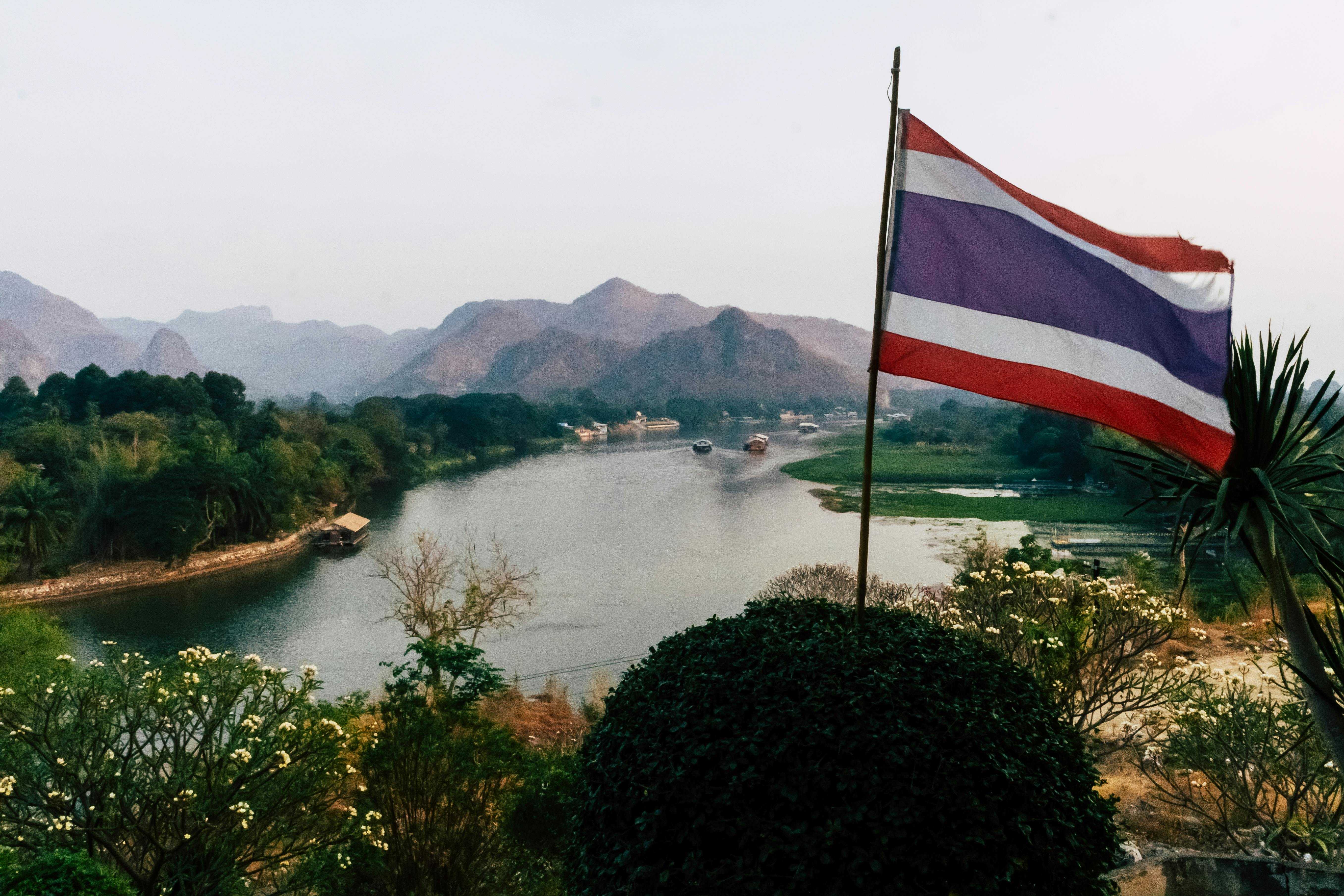
Located in the western part of Thailand, Kanchanaburi is a charming town that offers a unique blend of natural beauty, historical significance, and cultural attractions. The town is situated along the famous River Kwai, …

#historical sites#natural beauty#river Kwai#war memorials#adventure activities
1/11

Top hotels & flights

Hand-picked stays and the best fares into Kanchanaburi.

Top Hotels in Kanchanaburi

Top Flights to Kanchanaburi

Location videos

Real reels from travelers, plus longer watches to get the full picture.

From travelers
Watch & explore

Practical info

The essentials for planning your time in Kanchanaburi.

Currency
฿ | THB | Thai Baht
Population
Not Available
Languages
Thai, Thai, Burmese
Average weather
Kanchanaburi
Jan
clear
32°19°
Feb
clear
34°21°
Mar
hot
36°24°
Apr
hot
38°26°
May
rain
36°26°
Jun
rain
34°25°
Jul
rain
33°25°
Aug
rain
33°25°
Sep
rain
32°24°
Oct
rain
32°23°
Nov
cloud
32°21°
Dec
clear
31°19°

Local guide

What travelers love, what to watch for, and a deeper read on Kanchanaburi.

What people love

There are several pros to traveling to Kanchanaburi, Thailand:

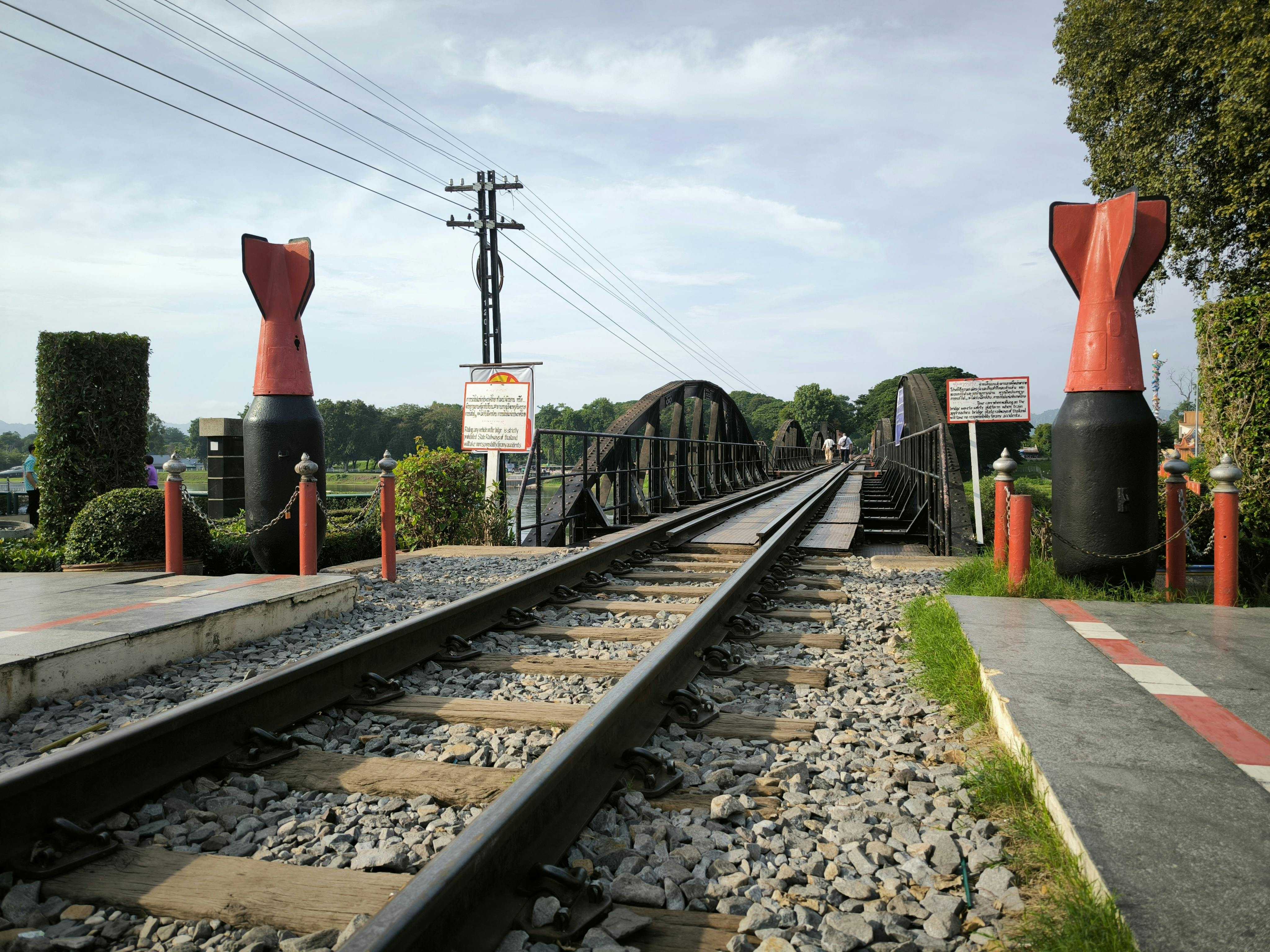
  1. Historical Sites: Kanchanaburi is known for its historical significance, particularly as the location of the infamous Death Railway built during World War II. Visitors can explore the Death Railway, the Bridge over the River Kwai, War Cemeteries, and museums dedicated to the history of the area.

  2. Scenic Beauty: Kanchanaburi is surrounded by beautiful natural landscapes, including lush jungles, waterfalls, and the picturesque River Kwai. Visitors can enjoy outdoor activities such as hiking, bamboo rafting, and visiting national parks like Erawan National Park.

  3. Cultural Experience: Kanchanaburi offers a unique cultural experience with its mix of Thai, Burmese, and Mon influences. Visitors can explore local markets, temples, and traditional Thai villages to immerse themselves in the local culture.

  4. Relaxing Atmosphere: Compared to bustling cities like Bangkok, Kanchanaburi offers a more relaxed and laid-back atmosphere, making it a perfect destination for those looking to unwind and escape the hustle and bustle of city life.

Overall, traveling to Kanchanaburi provides a blend of history, natural beauty, cultural experiences, and relaxation, making it a well-rounded destination for travelers looking for a unique and enriching experience in Thailand.

What to know

Traveling to Kanchanaburi in Thailand has its own set of challenges and drawbacks. Here are some cons to consider:

  1. Distance and Accessibility: Kanchanaburi is located about 130 kilometers west of Bangkok, which means traveling there can be time-consuming, especially if you are coming from other parts of Thailand or abroad. The lack of direct transportation options might also pose a challenge for some travelers.

  2. Limited Public Transportation: While there are buses and trains available to get to Kanchanaburi, the public transportation system in the area may not be as convenient or reliable as in larger cities like Bangkok. This could make getting around the region more difficult, especially if you don't have your own means of transport.

  3. Weather Conditions: Kanchanaburi experiences hot and humid weather for most of the year, with temperatures often exceeding 30 degrees Celsius. Traveling in such conditions can be uncomfortable, particularly if you are not accustomed to the heat.

  4. Tourist Crowds: Kanchanaburi is a popular tourist destination, especially for those interested in the history of the region, particularly related to World War II. This means that certain attractions and sites may be crowded with tourists, which can detract from the overall experience.

  5. Limited Dining Options: While Kanchanaburi does offer a variety of dining options, the choices may be limited compared to larger cities like Bangkok. If you have specific dietary preferences or restrictions, you may find it challenging to find suitable restaurants or food options.

  6. Language Barrier: English may not be as widely spoken in Kanchanaburi compared to more touristy areas, so communication with locals or service providers could be a challenge for travelers who do not speak Thai.

Overall, while Kanchanaburi offers a unique and historically significant travel experience, it is important to consider these potential drawbacks when planning your trip to the region.

Kanchanaburi, a province in western Thailand, is rich in history, natural beauty, and cultural significance. It is located at the confluence of the Khwae Noi and Khwae Yai rivers, which form the Mae Klong River. Here is a detailed history of the area:

Ancient and Pre-Modern History:

  • Early Settlement: Kanchanaburi has been inhabited since ancient times, with evidence of prehistoric settlements. Archaeological discoveries indicate the presence of early civilizations, with remnants such as tools, pottery, and burial sites.
  • Dvaravati Period: During the Dvaravati period (6th to 11th centuries), Kanchanaburi was part of a larger network of Mon city-states. This period is marked by the influence of Indian culture and Buddhism.
  • Khmer Influence: The area later came under the influence of the Khmer Empire, as evidenced by the ruins of Khmer temples and structures.

Ayutthaya Period:

  • Strategic Location: During the Ayutthaya Kingdom (1351–1767), Kanchanaburi served as a strategic frontier town guarding against Burmese invasions. It was a key defensive outpost due to its proximity to the border with Burma (now Myanmar).
  • Construction of Fortifications: Several fortifications and military outposts were established in the region to protect the kingdom from potential threats.

Rattanakosin Period:

  • Border Conflict: In the late 18th and early 19th centuries, Kanchanaburi continued to play a crucial role in border defense during the Rattanakosin period under King Rama I and King Rama III.
  • Development: King Rama III ordered the construction of a new town by moving it to a more defensible position along the river.

World War II:

  • Death Railway: The most significant historical event associated with Kanchanaburi is the construction of the Burma Railway, also known as the "Death Railway," during World War II. The railway was built by the Japanese using forced labor, including prisoners of war (POWs) and Asian laborers.
  • Bridge on the River Kwai: The Bridge on the River Kwai became famous due to the 1957 film of the same name, although the actual events were different from the film's depiction. This bridge was part of the railway and is now a major tourist attraction.
  • War Cemeteries: Several war cemeteries in Kanchanaburi, such as the Kanchanaburi War Cemetery and the Chungkai War Cemetery, serve as memorials for the thousands of Allied soldiers who died during the railway's construction.

Modern Era:

  • Tourism Development: In recent decades, Kanchanaburi has developed as a major tourist destination, attracting visitors with its historical sites, natural parks like Erawan National Park, and cultural attractions.
  • Cultural Festivals: The region hosts various cultural festivals and events that celebrate its rich history and traditions.

Important Landmarks:

  • Bridge over the River Kwai: A key historical site, attracting numerous visitors who come to learn about its history and take part in the River Kwai Bridge Week commemorations.
  • Hellfire Pass: A significant section of the Death Railway, now an important historical site and museum.
  • Prasat Muang Singh Historical Park: Contains ruins of an ancient Khmer temple, showcasing the region's historical significance during the Khmer period.
  • Erawan National Park: Known for its stunning waterfalls and natural beauty, attracting nature enthusiasts.

Kanchanaburi remains an area of profound historical significance, with its past continuing to shape its cultural and tourist landscape today.