
Top hotels & flights
Hand-picked stays and the best fares into Kajaani.
Top Hotels in Kajaani
Top Flights to Kajaani
Location videos
Real reels from travelers, plus longer watches to get the full picture.
Practical info
The essentials for planning your time in Kajaani.


Local guide
What travelers love, what to watch for, and a deeper read on Kajaani.
What people love
Kajaani, located in the Kainuu region of Finland, offers a unique travel experience with its stunning natural beauty and rich cultural heritage. Some of the pros of traveling to Kajaani include:
-
Nature and Outdoor Activities: Kajaani is surrounded by beautiful lakes, forests, and wilderness areas, making it an ideal destination for nature lovers and outdoor enthusiasts. Visitors can enjoy activities such as hiking, fishing, canoeing, and bird-watching in the pristine Finnish wilderness.
-
Winter Sports: Kajaani is a great destination for winter sports enthusiasts, with opportunities for skiing, snowboarding, ice fishing, and snowmobiling. The region's snowy landscapes provide the perfect backdrop for a variety of winter activities.
-
Cultural Attractions: Kajaani has a rich cultural heritage, with historic sites such as the Kajaani Castle and the Paltaniemi Church showcasing the region's history. Visitors can also explore local museums, art galleries, and cultural events to learn more about Kajaani's heritage.
-
Peaceful Atmosphere: Kajaani is known for its peaceful and laid-back atmosphere, making it a great destination for those looking to relax and unwind. The town's charming streets, cozy cafes, and friendly locals create a welcoming environment for visitors.
-
Authentic Finnish Experience: Traveling to Kajaani allows visitors to experience authentic Finnish culture and lifestyle. From traditional Finnish saunas to local cuisine featuring fresh ingredients from the region, Kajaani offers a true taste of Finnish life.
Overall, traveling to Kajaani in the Kainuu region of Finland provides a unique opportunity to explore the natural beauty, cultural heritage, and authentic Finnish experience of this charming town.
What to know
While Kajaani in Kainuu, Finland, has its unique charms and attractions, there are some potential drawbacks to consider if you're planning to travel there:
-
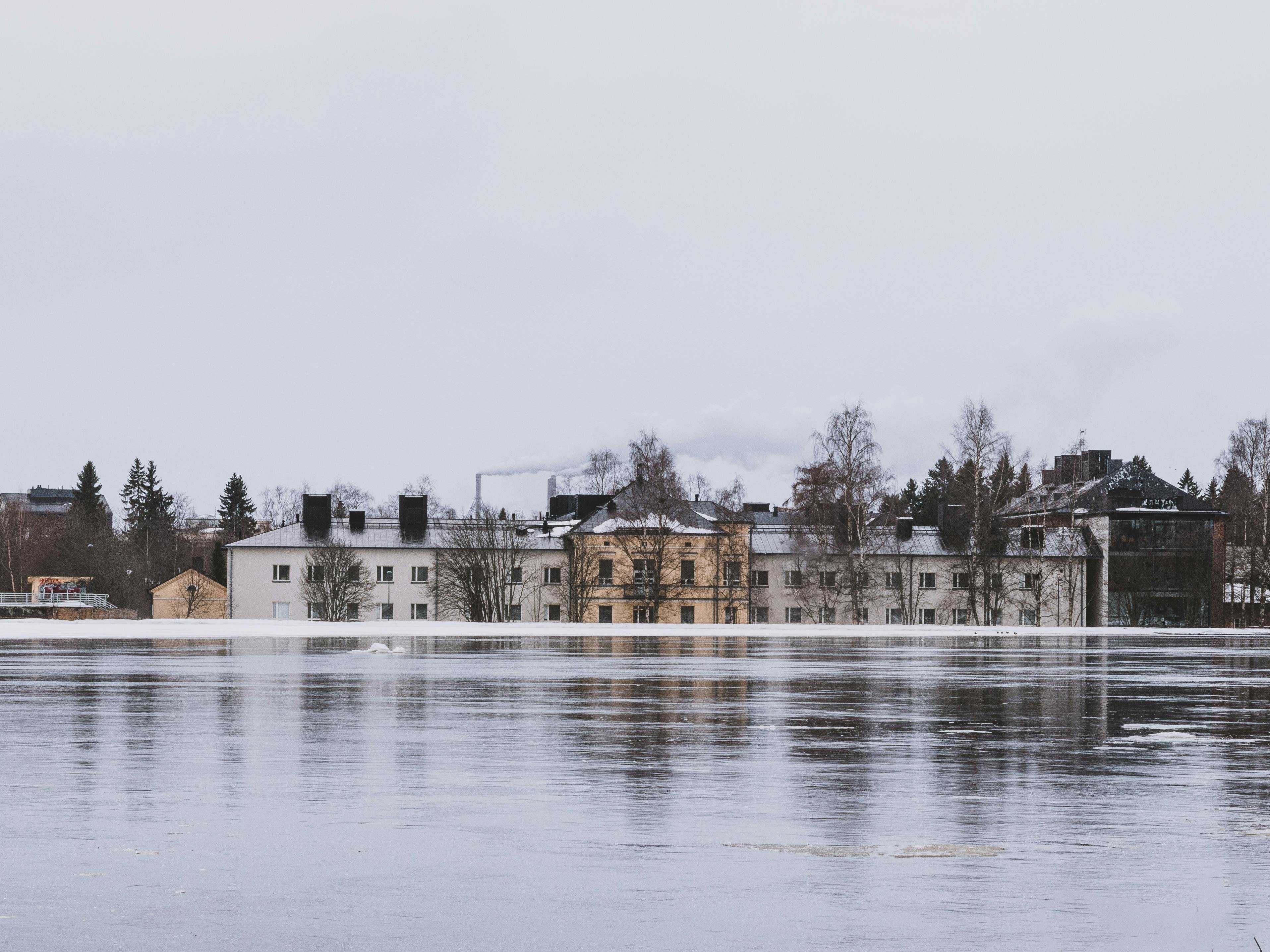
Weather Conditions: Kajaani experiences long, cold winters with heavy snowfall. The temperatures can drop significantly, which might not be suitable for those unaccustomed to harsh winter conditions. Summers are mild but relatively short.
-
Limited Transportation Options: Kajaani is a smaller city, and while it has basic transportation infrastructure, options may be limited compared to larger cities. Public transport may not be as frequent or extensive, and getting around might require renting a car.
-
Remote Location: Being located in a more remote part of Finland, Kajaani may be less accessible than more central or southern locations. It might require multiple forms of transport to reach, such as flying into a larger city and then taking a train or bus.
-
Limited Nightlife and Entertainment: For those seeking vibrant nightlife or a wide range of entertainment options, Kajaani might seem limited. The city is quieter and more laid-back, which might not suit travelers looking for bustling urban experiences.
-
Language Barrier: While many Finns speak English, especially in larger cities, in smaller towns like Kajaani, there might be fewer English speakers, which could pose a challenge for non-Finnish speakers in terms of communication.
-
Limited Tourist Infrastructure: As a smaller city, Kajaani might not have as extensive tourist infrastructure as larger cities or more popular tourist destinations. This could mean fewer hotels, restaurants, and tourist services.
-
Economic Factors: Depending on the economic situation, there might be limited job opportunities or other economic drawbacks which could affect long-term stays, though this is less of a concern for short-term travelers.
While these points might be potential drawbacks, they also contribute to the unique experience of visiting a less touristy, more authentic Finnish town.