
Kaisarianí
· GR

Kaisarianí

Kaisariani, Attiki, Greece

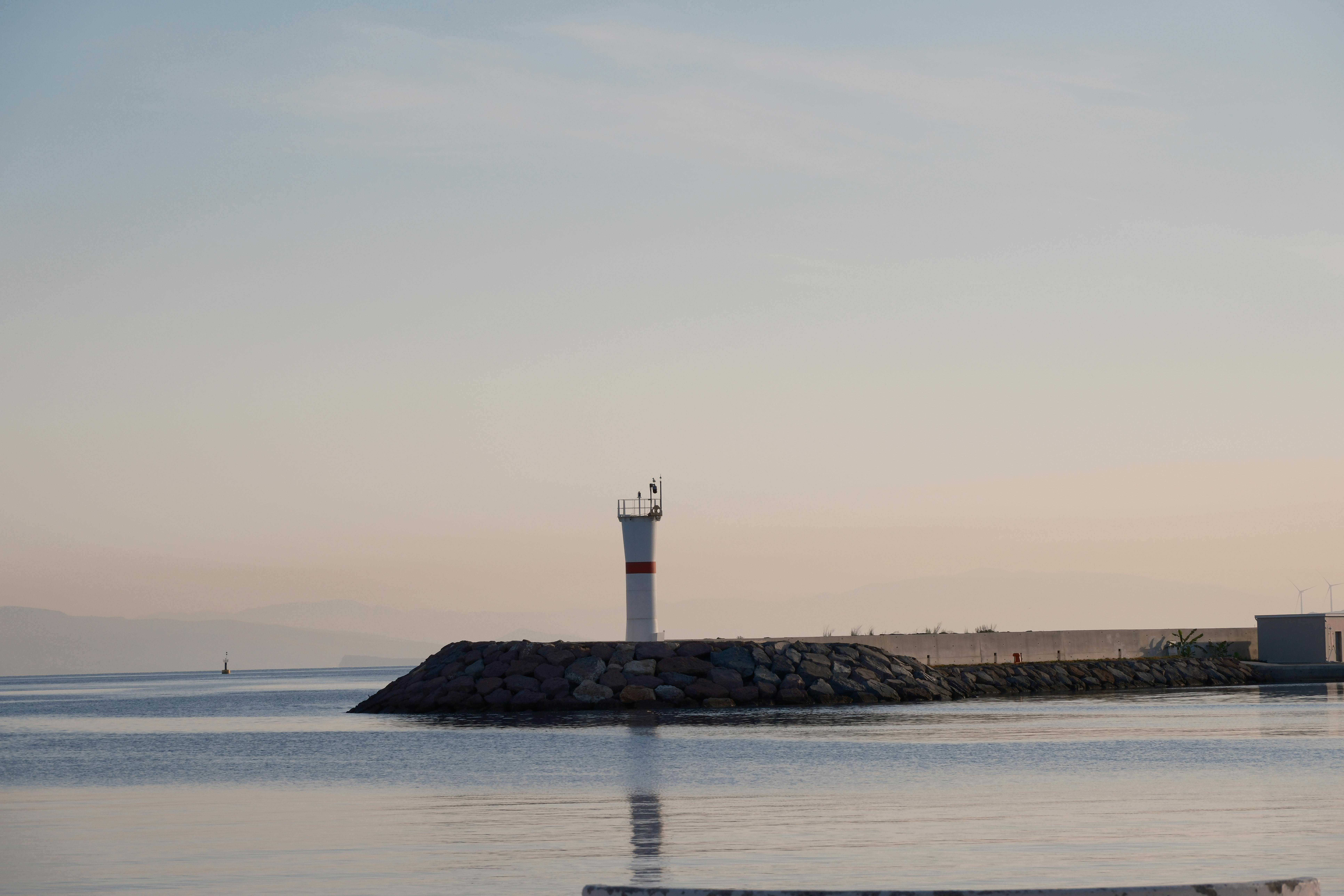
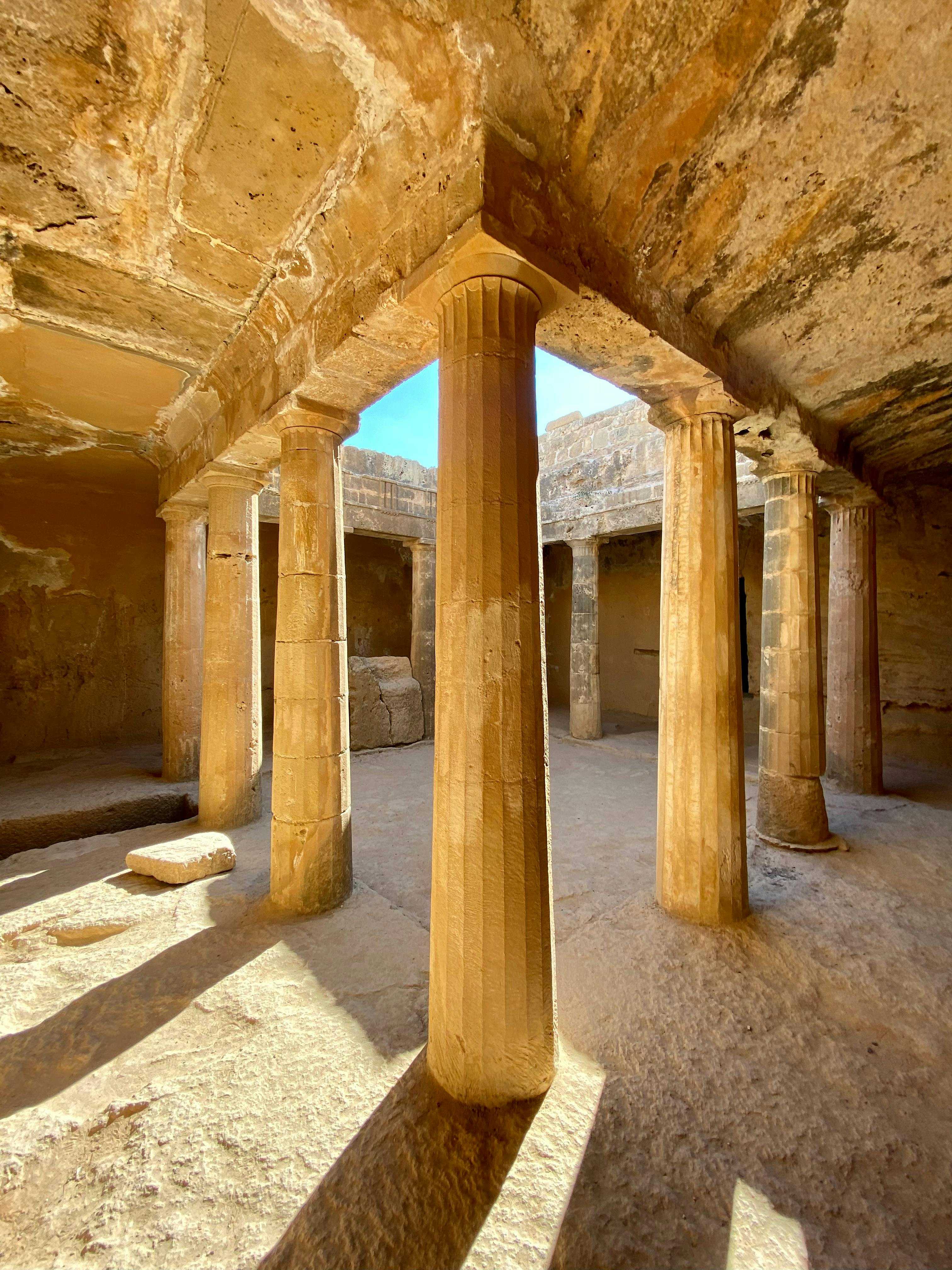
Kaisarianí is a charming suburb located in the Attica region of Greece, just a short distance from the bustling city of Athens. This picturesque area offers a perfect blend of traditional Greek culture and modern ameniti…

#Residential area#Historic sites#Mountain views#Close to city center#Cultural landmarks
1/4

Top hotels & flights

Hand-picked stays and the best fares into Kaisarianí.

Top Hotels in Kaisarianí

Top Flights to Kaisarianí

Location videos

Real reels from travelers, plus longer watches to get the full picture.

From travelers
Watch & explore

Practical info

The essentials for planning your time in Kaisarianí.

Currency
€ | EUR | Euro
Population
Not Available
Languages
Greek, Greek
Average weather
Kaisarianí
Jan
rain
12°5°
Feb
rain
13°6°
Mar
cloud
15°7°
Apr
clear
19°10°
May
sun
24°14°
Jun
hot
29°19°
Jul
hot
33°22°
Aug
hot
33°22°
Sep
sun
28°19°
Oct
clear
23°15°
Nov
cloud
18°11°
Dec
rain
14°7°

Local guide

What travelers love, what to watch for, and a deeper read on Kaisarianí.

What people love

Kaisarianí, located in Attikí, Greece, offers several advantages for travelers:

  1. Historical and Cultural Sites: Kaisarianí is home to the Kaisarianí Monastery, a historic monastery dating back to the 11th century. Visitors can explore the monastery's architecture, religious artifacts, and beautiful surroundings.

  2. Natural Beauty: The area surrounding Kaisarianí is known for its natural beauty, with lush greenery, scenic landscapes, and opportunities for outdoor activities such as hiking and cycling.

  3. Local Cuisine: Travelers to Kaisarianí can enjoy traditional Greek cuisine at local tavernas and restaurants, offering authentic dishes made with fresh, locally sourced ingredients.

  4. Proximity to Athens: Kaisarianí is located close to Athens, making it a convenient destination for those looking to explore both the city and the surrounding countryside.

Overall, traveling to Kaisarianí offers a unique blend of history, culture, natural beauty, and culinary experiences for visitors to enjoy.

What to know

Kaisarianí is a neighborhood in Athens, Greece, and generally considered safe for travelers. However, like any destination, there may be some potential drawbacks to traveling to Kaisarianí:

  1. Limited Tourist Facilities: Kaisarianí is more of a residential area than a tourist hotspot, so you may find fewer hotels, restaurants, and attractions compared to more popular areas in Athens.

  2. Language Barrier: While many people in Greece speak English, you may encounter some language barriers in Kaisarianí, especially if you venture off the main tourist paths.

  3. Distance from Major Attractions: Kaisarianí is located a bit further from the main tourist attractions in Athens, such as the Acropolis and Plaka. This could mean longer travel times to reach these iconic sites.

  4. Limited Public Transportation: While there are buses that connect Kaisarianí to the city center, public transportation options may be limited compared to other areas in Athens.

  5. Noise Levels: Being a residential neighborhood, you may experience more local noise and activity compared to quieter, more tourist-oriented areas.

Remember that these potential cons should be balanced with the unique charm and local experience that Kaisarianí can offer. It's always a good idea to research further and plan your trip according to your preferences and needs.

Kaisarianí is a suburb and municipality in the eastern part of the Athens urban area in Greece. It is situated on the western slopes of Mount Hymettus, providing it with a picturesque setting and a rich history. Here is a detailed history of the area:

Historical Background:

  1. Byzantine Era:

    • Kaisarianí is known for the Kaisarianí Monastery, a significant Byzantine monument. It was founded in the 11th century and is dedicated to the Presentation of the Virgin Mary. The monastery is renowned for its beautiful frescoes and its serene setting amidst olive groves.
  2. Ottoman Period:

    • During the Ottoman era, Kaisarianí, like much of Greece, was under Ottoman rule. The area remained relatively rural and was known for its agriculture, particularly olive oil production.
  3. Greek War of Independence:

    • The area played a role in the Greek War of Independence (1821-1829) against Ottoman rule. The strategic location near Athens made it significant during various conflicts.
  4. 20th Century and Refugee Settlement:

    • Kaisarianí saw significant changes in the early 20th century, especially after the Asia Minor Catastrophe in 1922. The population exchange between Greece and Turkey led to the settlement of many Greek refugees from Asia Minor in Kaisarianí. These new residents heavily influenced the cultural and social fabric of the area.
  5. World War II and Resistance:

    • During World War II, Kaisarianí became a notable site of resistance against the Axis occupation. On May 1, 1944, one of the most significant events occurred when 200 Greek resistance fighters were executed by the German occupiers in the Kaisarianí Shooting Range, a tragic event commemorated each year.

Notable Landmarks:

  1. Kaisarianí Monastery:

    • The monastery is a key historical and architectural site. It is a popular destination for both tourists and locals, offering insights into Byzantine art and architecture.
  2. Kaisarianí Shooting Range (Skopeftirio):

    • This site serves as a memorial to those who were executed by the Nazis. It is a powerful symbol of resistance and sacrifice.
  3. Hymettus Mountain:

    • The mountain provides a natural backdrop to the region and is a popular area for hiking and outdoor activities. It is also home to a variety of flora and fauna.

Cultural and Social Influence:

  • Kaisarianí has a rich cultural heritage influenced by the Asia Minor refugees, which is evident in local cuisine, music, and traditions. The area has several cultural associations and events celebrating this heritage.

Modern Kaisarianí:

  • Today, Kaisarianí is a vibrant suburb of Athens, known for its lively community, cultural activities, and proximity to both natural beauty and urban amenities. It continues to honor its historical legacy while evolving as part of the greater Athens metropolitan area.

Kaisarianí’s history is marked by its Byzantine roots, its role in modern Greek history as a site of resistance and tragedy, and its cultural evolution driven by the settlement of Asia Minor refugees.