
Jōyō
· JP

Jōyō

Jōyō, Kyōto, Japan

Escape the City Buzz and Unwind in Jōyō, Kyoto Nestled in the tranquil southern region of Kyoto Prefecture, Jōyō offers a refreshing escape from the city bustle while still brimming with cultural charm and natural beauty…

#Historical#Cultural#Kyoto#Japan#Traditional
1/13

Top hotels & flights

Hand-picked stays and the best fares into Jōyō.

Top Hotels in Jōyō

Top Flights to Jōyō

Location videos

Real reels from travelers, plus longer watches to get the full picture.

From travelers

Practical info

The essentials for planning your time in Jōyō.

Currency
¥ | JPY | Japanese Yen
Population
Not Available
Languages
Japanese, Japanese
Average weather
Jōyō
Jan
cold
8°0°
Feb
cold
9°1°
Mar
cloud
13°4°
Apr
clear
19°9°
May
clear
24°14°
Jun
rain
27°19°
Jul
rain
31°23°
Aug
hot
33°24°
Sep
rain
29°20°
Oct
clear
23°14°
Nov
cloud
17°8°
Dec
cold
11°3°

Local guide

What travelers love, what to watch for, and a deeper read on Jōyō.

What people love

Jōyō, located in Kyōto, Japan, offers a unique travel experience with several pros:

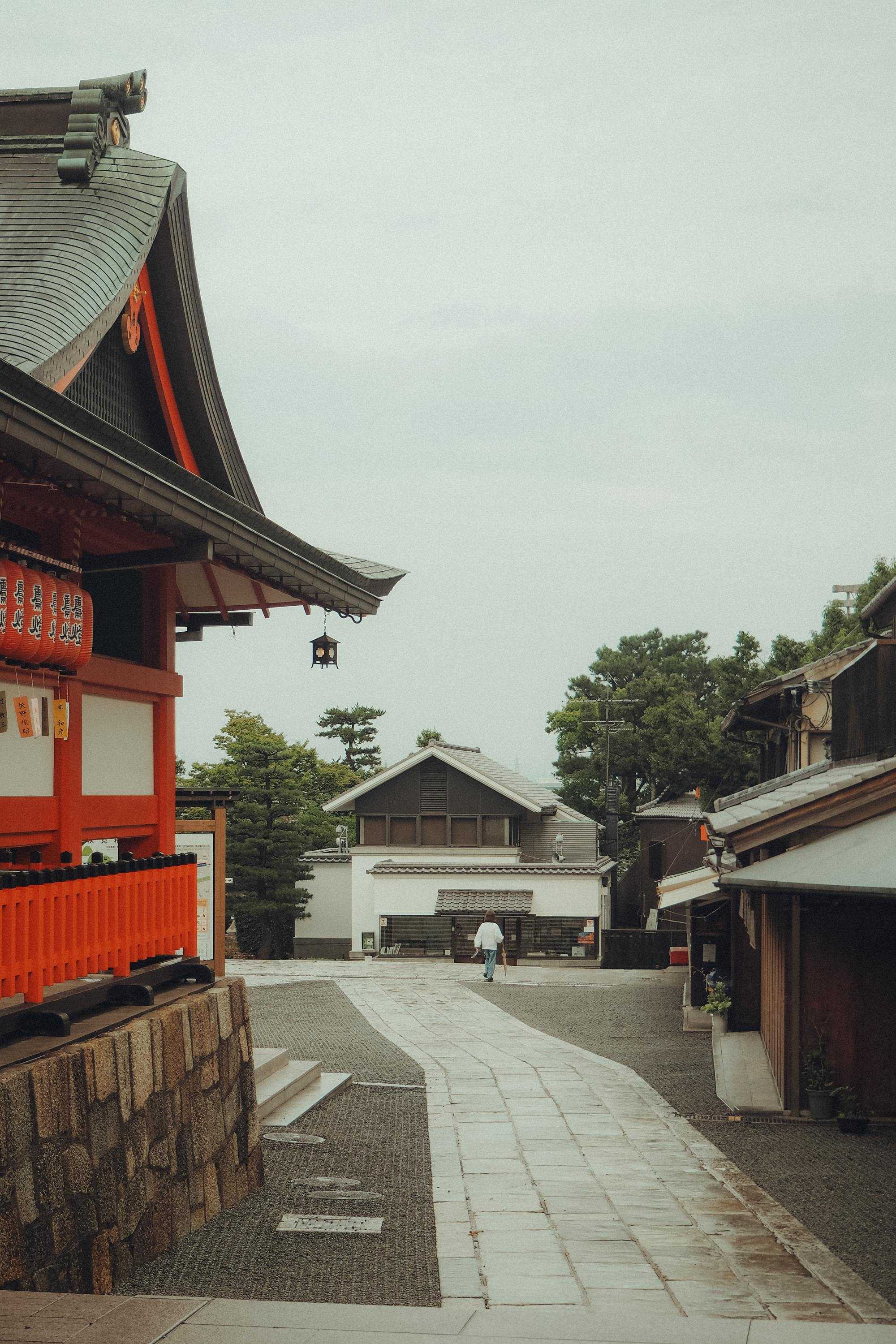
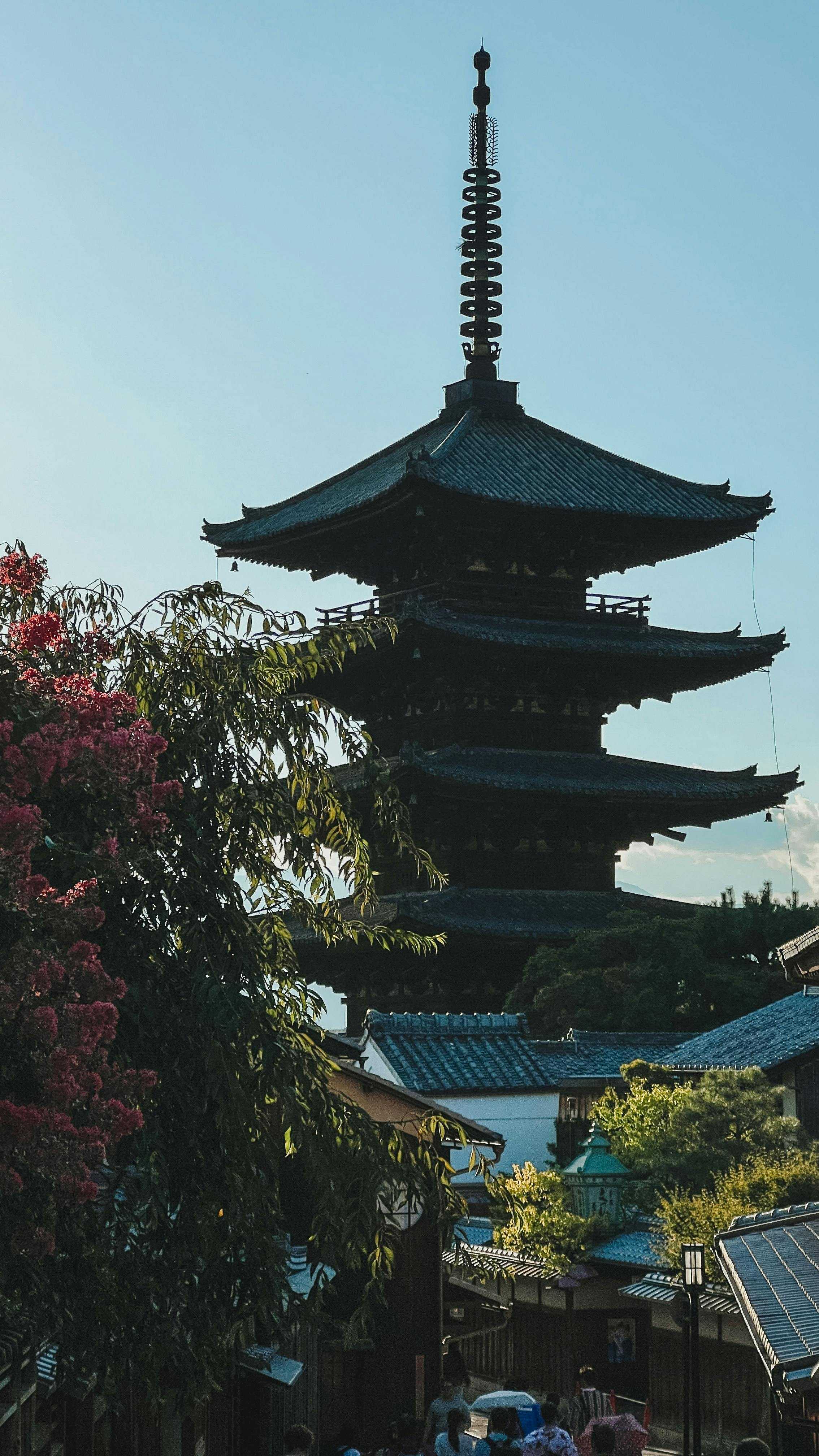
  1. Rich History and Culture: Jōyō is known for its historical sites, including temples, shrines, and traditional Japanese architecture. Visitors can explore the Fushimi Inari Taisha Shrine, the famous Fushimi Castle, and other cultural landmarks.

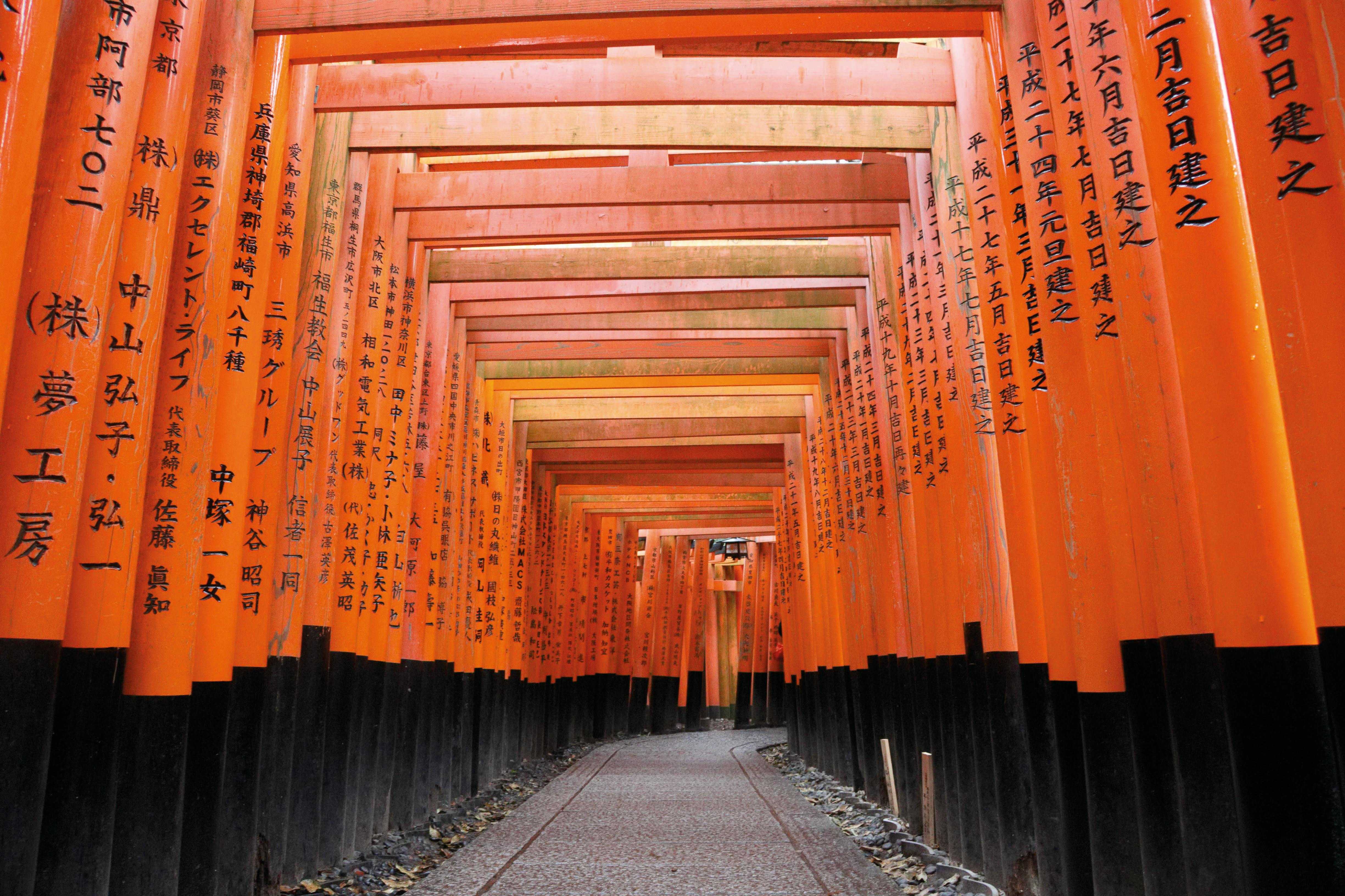
  2. Fushimi Inari Taisha Shrine: This iconic shrine is famous for its thousands of torii gates lining the mountain trails. It offers stunning views of the city and is a popular spot for photography and exploration.

  3. Sake Brewery Tours: Jōyō is home to several sake breweries where visitors can learn about the traditional brewing process and sample different types of sake. The Fushimi district is particularly renowned for its sake production.

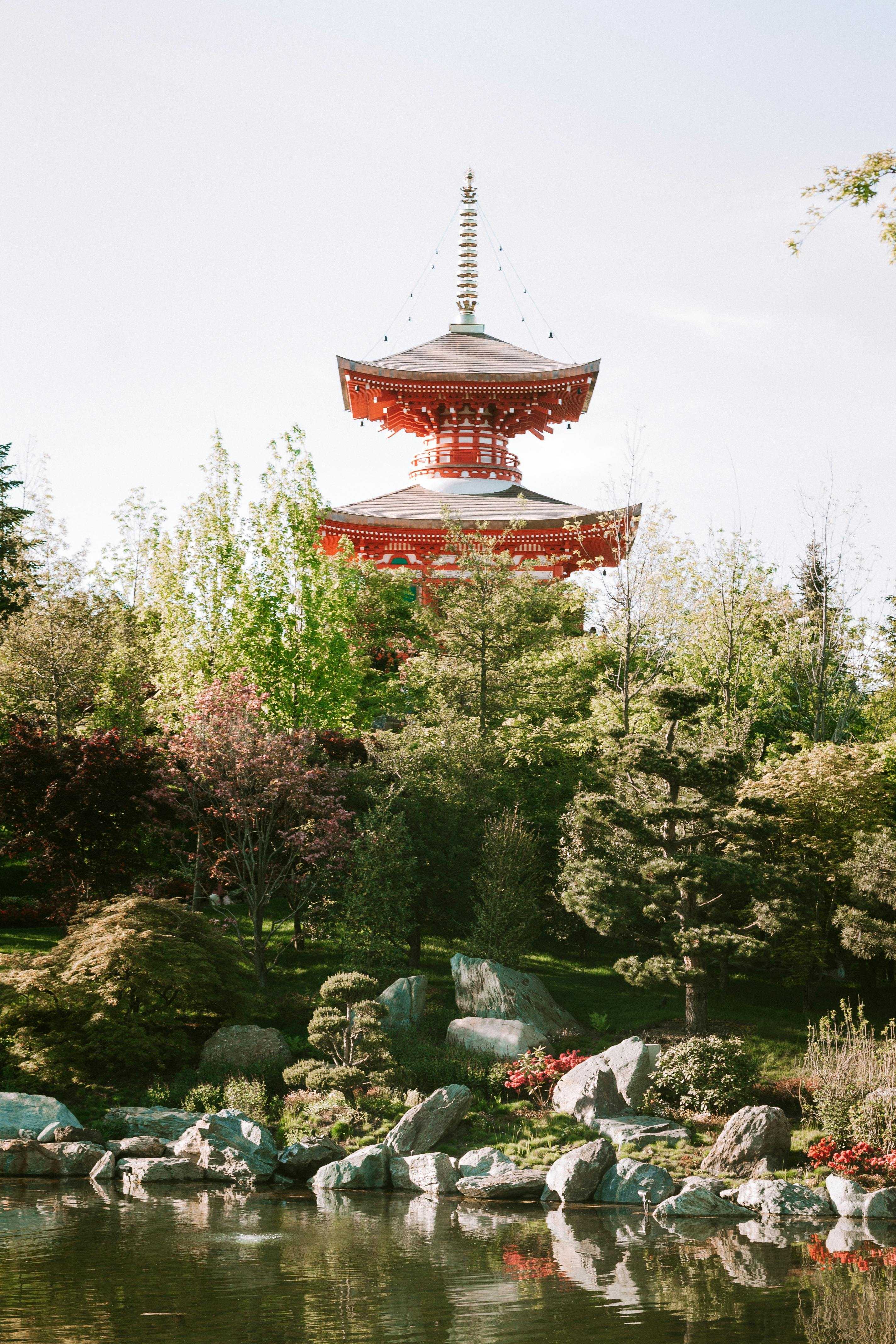
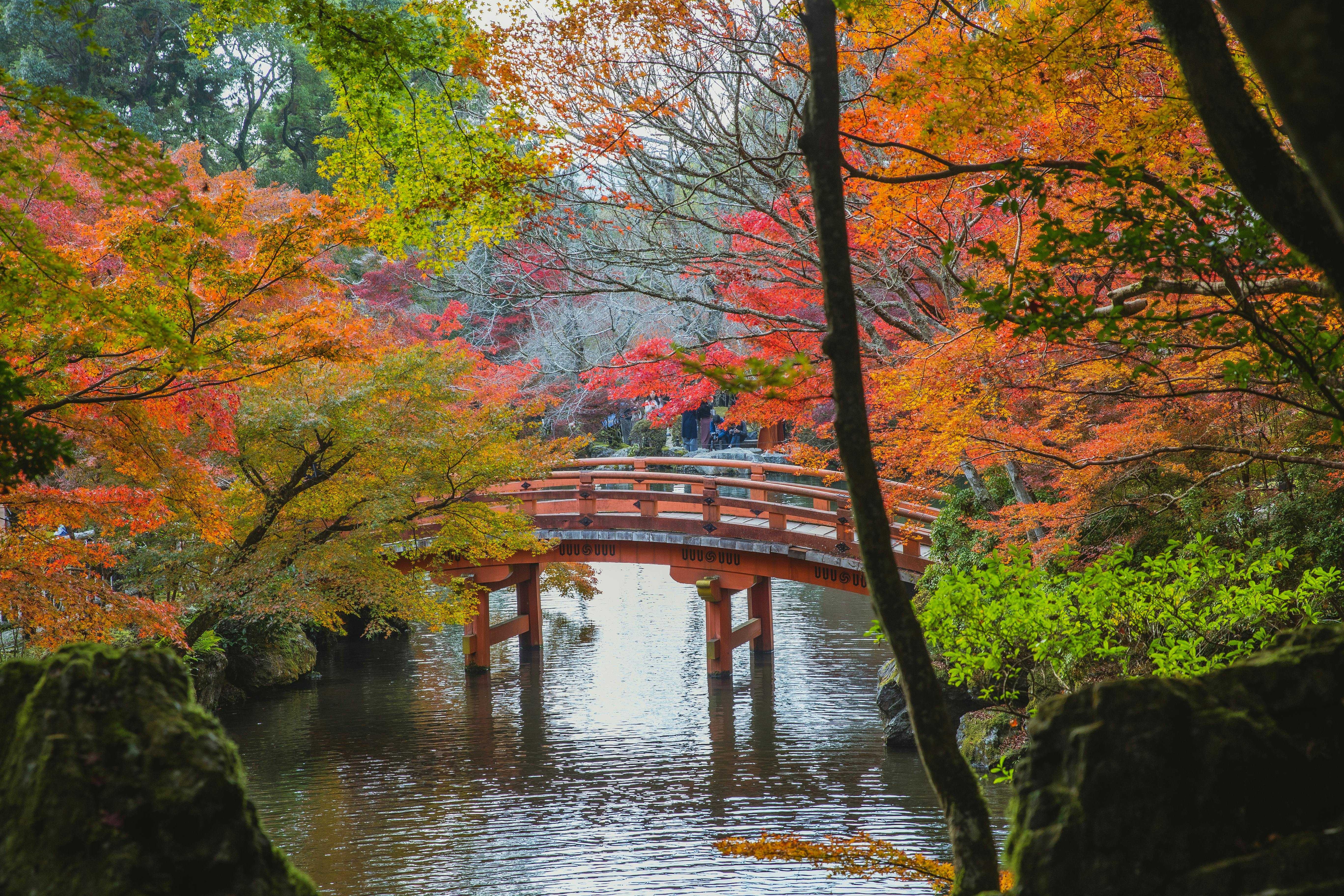
  4. Scenic Landscapes: The surrounding area of Jōyō is characterized by picturesque landscapes, including cherry blossoms in spring and colorful foliage in autumn. Visitors can enjoy peaceful walks along the canals and rivers.

  5. Easy Access to Kyōto: Jōyō is conveniently located near Kyōto, allowing visitors to explore the historic city with its numerous temples, gardens, and cultural attractions. It serves as a peaceful retreat from the bustling city.

Overall, traveling to Jōyō provides a blend of history, culture, nature, and unique experiences that make it a delightful destination in Kyōto, Japan.

What to know

One of the potential cons of traveling to Jōyō, located in Kyōto, Japan, is that it may not be as well-known or heavily touristed as some other destinations in Japan. This could mean that there are fewer amenities and services catering to tourists, such as English-speaking staff or signage. Additionally, transportation options to and within Jōyō may be limited compared to larger cities, which could make getting around more challenging.

Furthermore, Jōyō may not have as many attractions or points of interest compared to well-known tourist destinations in Japan. This could potentially limit the activities and experiences available to travelers in the area.

As with any travel destination, it's important to research and plan ahead to ensure a smooth and enjoyable trip, especially when visiting less popular areas like Jōyō.

Please note that these are general considerations and may not apply to every traveler's experience.

Jōyō is a city located in the southern part of Kyoto Prefecture, Japan. While specific historical records about Jōyō itself might not be extensively documented in detail, the region is part of the historically rich Kyoto Prefecture, which has played a significant role in Japanese history.

Historical Overview:

  1. Ancient and Feudal Periods:

    • The area that is now Jōyō has been inhabited since ancient times. The broader Kyoto region, being the capital of Japan for over a thousand years, influenced surrounding areas such as Jōyō.
    • During the feudal period, the area would have been under the control of various samurai clans and influenced by the political dynamics of the Kyoto region.
  2. Edo Period:

    • During the Edo period (1603-1868), the area likely served as agricultural land, supporting the needs of the populous Kyoto area.
  3. Meiji Restoration and Modern Era:

    • With the Meiji Restoration and the subsequent modernization of Japan, areas like Jōyō began to develop more modern infrastructure and governance structures.
    • Jōyō officially gained city status on May 3, 1972, as part of post-war urbanization and reorganization.

Significant Landmarks:

  1. Jōyō City Cultural Hall:

    • A cultural facility that serves as a venue for events and performances, reflecting the city's focus on community and cultural development.
  2. Manpuku-ji Temple:

    • Located near Jōyō, this temple is the head temple of the Ōbaku school of Zen Buddhism, which adds to the cultural and religious significance of the area.
  3. Seiryu-ji Temple:

    • A local temple that adds to the historical landscape of Jōyō, representing the religious practices and architectural styles of the region.
  4. Kōra Shrine:

    • A Shinto shrine in the area that represents the traditional spiritual practices and community gathering points.

Notable Figures:

  • While specific historical figures from Jōyō may not be widely recognized, the city, like many in Japan, would have been influenced by the political and cultural leaders of the Kyoto region throughout its history.

Modern Development:

  • Today, Jōyō is a suburban city that benefits from its proximity to Kyoto and Osaka, making it a part of the larger Kansai metropolitan area. It is characterized by a mix of residential areas, cultural sites, and natural beauty.

Overall, while Jōyō itself might not have extensively documented historical events or figures, its development and significance are intertwined with the broader history of the Kyoto region. The city's cultural and historical landmarks reflect its position within a region rich with Japanese heritage.

Information not available.