


Jingdezhen
· CN

Jingdezhen

Jingdezhen, Jiangxi, China

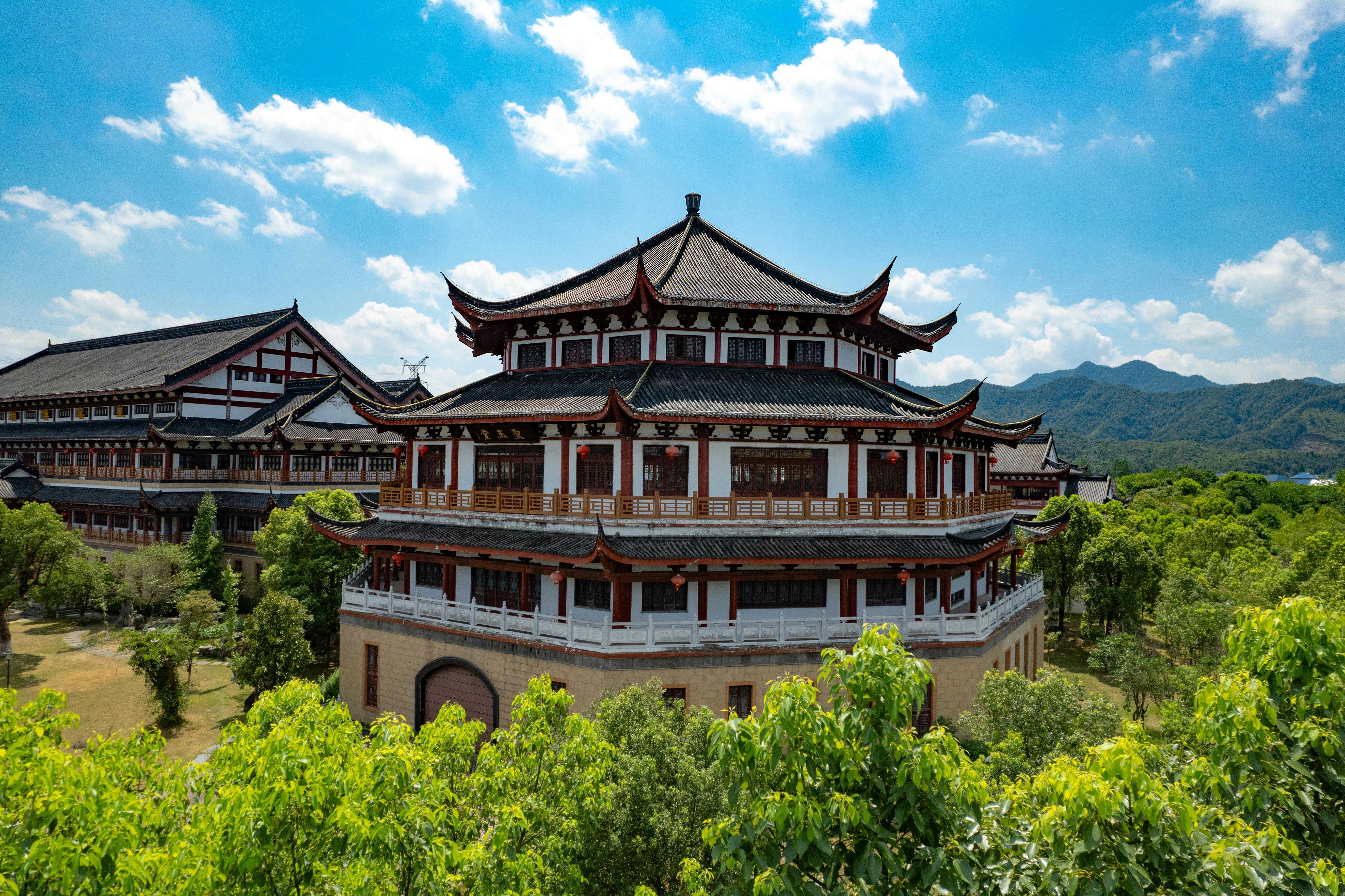
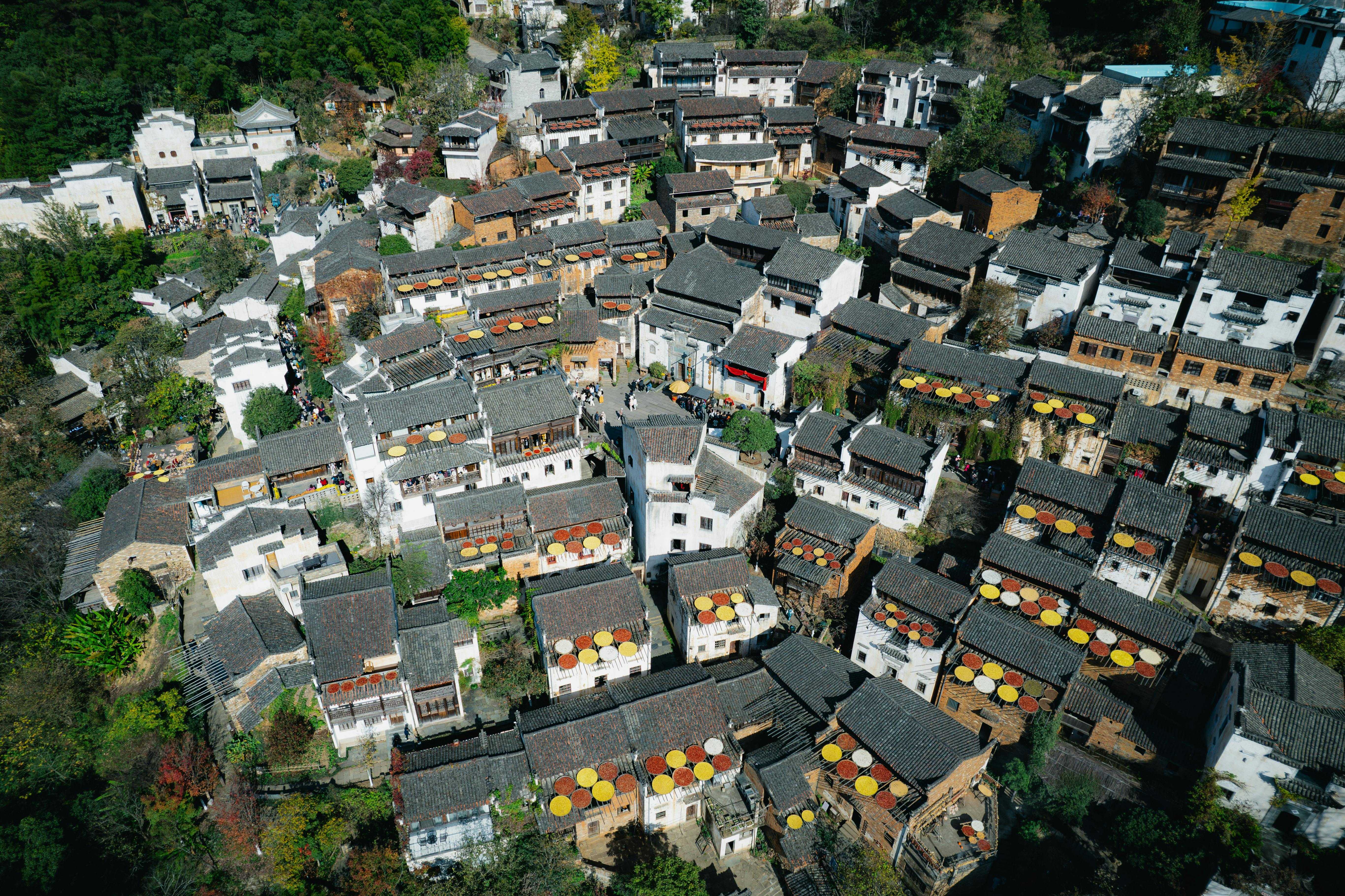
Immerse Yourself in the Art of Porcelain in Jingdezhen, China Journey to Jingdezhen, a city in southeastern China renowned for being the "Porcelain Capital of the World" for over 1,700 years. Here, ancient tradition mee…

#Ceramics#Porcelain#Artisan#Pottery#Historic
1/5

Top hotels & flights

Hand-picked stays and the best fares into Jingdezhen.

Top Hotels in Jingdezhen

Top Flights to Jingdezhen

Location videos

Real reels from travelers, plus longer watches to get the full picture.

From travelers
Watch & explore

Practical info

The essentials for planning your time in Jingdezhen.

Currency
¥ | CNY | Chinese Yuan Renminbi
Population
The approximate estimated total population of Jingdezhen, Jiangxi, China is around 1.6 million.
Languages
Chinese, Gan Chinese, Hakka Chinese, Mandarin Chinese
Average weather
Jingdezhen
Jan
cloud
9°2°
Feb
rain
11°4°
Mar
rain
15°8°
Apr
rain
21°13°
May
rain
26°18°
Jun
rain
29°22°
Jul
hot
33°25°
Aug
hot
33°25°
Sep
rain
29°21°
Oct
clear
24°16°
Nov
cloud
18°10°
Dec
cloud
12°4°

Local guide

What travelers love, what to watch for, and a deeper read on Jingdezhen.

What people love

Jingdezhen, located in Jiangxi, China, is known as the "Porcelain Capital" of the world. Here are some pros of traveling to Jingdezhen:

  1. Rich history: Jingdezhen has a long history of producing high-quality porcelain, dating back over 1,000 years. Visitors can explore the city's porcelain heritage through museums, workshops, and ancient kiln sites.

  2. Cultural experience: Travelers can immerse themselves in the local culture by participating in porcelain-making workshops, observing craftsmen at work, and visiting traditional markets selling porcelain wares.

  3. Scenic beauty: Jingdezhen is surrounded by picturesque mountains and rivers, offering opportunities for outdoor activities such as hiking, boating, and visiting scenic spots like the Sanbao International Ceramic Art Village.

  4. Shopping: Jingdezhen is a great place to shop for authentic Chinese porcelain at reasonable prices. Visitors can browse through a variety of porcelain products, from traditional to contemporary designs, and purchase unique souvenirs to take home.

  5. Culinary delights: Jingdezhen is also famous for its local cuisine, which includes delicious dishes such as Jingdezhen-style tofu, smoked pork, and various regional specialties that visitors can enjoy while exploring the city.

Overall, traveling to Jingdezhen offers a unique opportunity to delve into the world of Chinese porcelain art, appreciate the local culture, and enjoy the natural beauty of the region.

Enjoy your trip to Jingdezhen!

What to know

Some potential cons of traveling to Jingdezhen, China, include:

  1. Remote Location: Jingdezhen is not a major tourist hub and may be relatively remote compared to other popular destinations in China. This could result in limited transportation options and longer travel times to reach the city.

  2. Language Barrier: English may not be widely spoken in Jingdezhen, so communication could be challenging for travelers who do not speak Mandarin or other local dialects.

  3. Limited Tourist Infrastructure: Jingdezhen may not have as many tourist amenities and services compared to more well-known tourist destinations in China. This could include fewer options for accommodations, restaurants, and organized tours.

  4. Pollution: Like many cities in China, Jingdezhen may be affected by air pollution, especially during certain times of the year. This could impact air quality and visibility, potentially affecting outdoor activities.

  5. Crowds: While Jingdezhen may not be as crowded as major cities like Beijing or Shanghai, certain tourist attractions in the city could still draw large crowds, especially during peak travel seasons.

Please note that these potential cons are general considerations and may not apply to every traveler's experience. It's always a good idea to research further and consider your own preferences and travel priorities before visiting Jingdezhen.

Jingdezhen, located in Jiangxi Province, China, is renowned as the "Porcelain Capital" of the world due to its long history of pottery and porcelain production. The city's history spans over 1,700 years, with its porcelain production significantly influencing both Chinese and global ceramics.

Ancient and Imperial History:

  1. Early Beginnings: The earliest pottery production in Jingdezhen dates back to the Han Dynasty (206 BCE - 220 CE). However, it wasn't until the Tang Dynasty (618-907 CE) that the area began to gain prominence for its ceramics.

  2. Song Dynasty (960-1279 CE): Jingdezhen's reputation grew significantly during the Song Dynasty. The city was named after Emperor Jingde (reigned 1004-1007 CE) of the Northern Song Dynasty, who ordered the production of porcelain with his reign mark. The quality and artistry of the porcelain from this era set high standards for future production.

  3. Yuan Dynasty (1271-1368 CE): The Yuan Dynasty saw the introduction of blue and white porcelain, which became highly popular and influential. The use of cobalt blue underglaze on white porcelain became a hallmark of Jingdezhen's craftsmanship.

  4. Ming Dynasty (1368-1644 CE): This period is often considered the golden age of Jingdezhen porcelain. The imperial kilns were established, producing wares exclusively for the court. The city became the center of porcelain production, with innovations in design and technology that spread throughout China and beyond.

  5. Qing Dynasty (1644-1912 CE): Jingdezhen continued to flourish, producing a wide variety of porcelain styles. The demand for Chinese porcelain in Europe also increased during this period, leading to significant exports.

Modern History:

  1. 20th Century: The fall of the Qing Dynasty and subsequent political turmoil in China affected Jingdezhen's production. However, the city's porcelain industry gradually recovered, adapting to new technologies and market demands.

  2. Cultural Revolution (1966-1976): During this time, traditional arts, including porcelain production, were suppressed. Many artisans were persecuted, and production was largely geared towards utilitarian wares.

  3. Post-1978 Reforms: With China's economic reforms, Jingdezhen experienced a revival of its traditional crafts. Artists and craftsmen began to explore both traditional and contemporary styles, leading to a resurgence in the city's global reputation for porcelain.

Significant Figures:

  • Tang Ying (1682-1756): A notable figure during the Qing Dynasty, Tang Ying was the superintendent of the imperial kilns at Jingdezhen. He is credited with numerous innovations in porcelain production and expanding the range of styles produced in the city.

Important Landmarks:

  1. Imperial Kiln Museum: This museum showcases the history and development of porcelain production in Jingdezhen, displaying artifacts and offering insights into the traditional techniques used.

  2. Porcelain Street: A historic street in Jingdezhen where visitors can explore shops selling traditional and modern porcelain, reflecting the city's rich heritage.

  3. Gaoling Mountain: Known as the source of kaolin clay, crucial for porcelain production, this area is significant for understanding the natural resources that contributed to Jingdezhen's success.

  4. Jingdezhen Ceramic Institute: A leading institution for ceramic arts education and research, it plays a vital role in preserving and advancing the craft.

Jingdezhen's legacy as the Porcelain Capital is a testament to its enduring influence in the world of ceramics, combining centuries-old traditions with modern innovations.