





Top hotels & flights
Hand-picked stays and the best fares into Jiangsu.
Top Hotels in Jiangsu
Top Flights to Jiangsu
Location videos
Real reels from travelers, plus longer watches to get the full picture.
Practical info
The essentials for planning your time in Jiangsu.
Local guide
What travelers love, what to watch for, and a deeper read on Jiangsu.
What people love
Jiangsu, located in eastern China, is a province known for its rich history, vibrant culture, stunning natural landscapes, and modern cities. Here are some of the pros of traveling to Jiangsu:
-
Historical and Cultural Sites: Jiangsu is home to numerous historical and cultural sites, including the ancient city of Suzhou with its classical gardens and traditional architecture, as well as the Grand Canal, a UNESCO World Heritage site. Visitors can also explore the historic city of Nanjing, known for its Ming dynasty city wall and mausoleum of Dr. Sun Yat-sen.
-
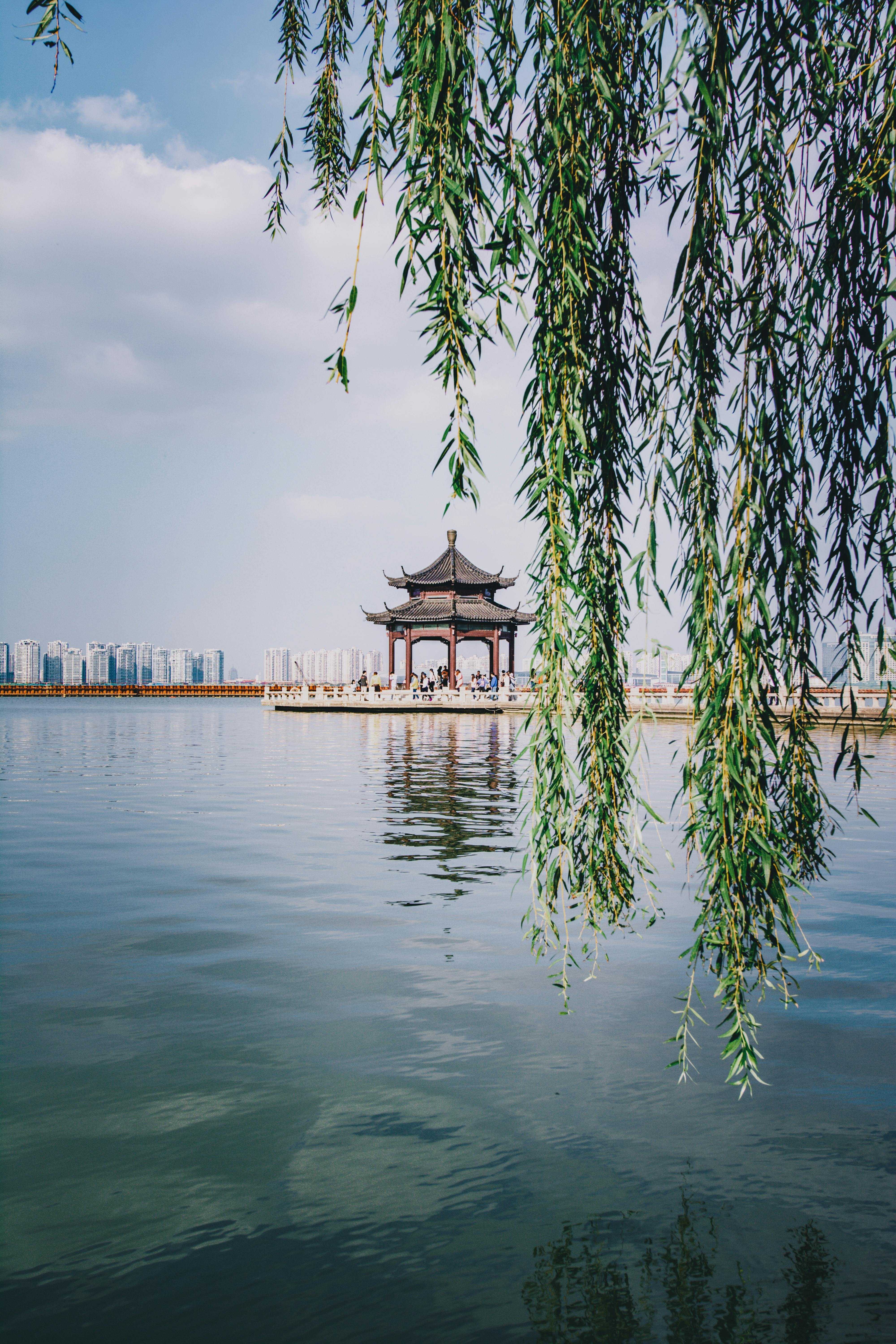
Natural Beauty: Jiangsu boasts beautiful natural landscapes, including the famous Taihu Lake and the picturesque water towns of Zhouzhuang and Wuzhen. The province is also known for its stunning gardens, such as the Humble Administrator's Garden in Suzhou and the Lingering Garden in Yangzhou.
-
Culinary Delights: Jiangsu cuisine is renowned for its delicate flavors and fresh ingredients. Visitors can sample local specialties such as "lion's head" meatballs, sweet and sour spare ribs, and Yangzhou fried rice. The province is also famous for its seafood dishes, particularly in coastal cities like Wuxi and Nantong.
-
Modern Cities: Jiangsu is home to several modern and bustling cities, including Nanjing, Suzhou, and Wuxi. These cities offer a mix of traditional culture and contemporary attractions, such as shopping districts, entertainment venues, and innovative architecture.
-
Shopping and Souvenirs: Jiangsu is a great place to shop for unique souvenirs and gifts. Visitors can explore local markets and specialty shops to find items such as silk products, tea, traditional handicrafts, and local snacks.
Overall, traveling to Jiangsu offers a diverse range of experiences for visitors, from exploring ancient historical sites to enjoying modern amenities and natural beauty.
What to know
Traveling to Jiangsu, China, like any destination, may have some potential cons that travelers should be aware of. Here are some possible drawbacks to consider:
-
Language Barrier: In Jiangsu, especially in less touristy areas, English may not be widely spoken. This can make communication challenging and may lead to difficulties in navigation, ordering food, or seeking assistance.
-
Air Quality: Like many regions in China, air pollution can be a concern in Jiangsu, particularly in cities like Nanjing and Suzhou. This may affect travelers with respiratory issues or those sensitive to poor air quality.
-
Crowds and Traffic: Jiangsu is a populous province, and popular tourist attractions can get crowded, especially during peak travel seasons. Traffic congestion is also common in urban areas, which can lead to delays and frustration for travelers.
-
Cultural Differences: Travelers may encounter cultural differences in customs, etiquette, and social norms that can be unfamiliar or challenging to navigate. Being aware of and respectful towards local customs is essential to ensure a positive travel experience.
-
Scams and Tourist Traps: Like in many tourist destinations, there may be scams or tourist traps targeting unsuspecting visitors. Travelers should be cautious of overpriced goods, fake products, and aggressive sellers.
-
Food Safety: While Jiangsu is known for its delicious cuisine, travelers should be mindful of food safety practices to avoid potential digestive issues. Stick to reputable restaurants and be cautious of street food vendors.
-
Weather Extremes: Jiangsu experiences four distinct seasons, with hot and humid summers and cold winters. Travelers should be prepared for weather extremes and pack appropriate clothing and accessories based on the season of their visit.
It's important to note that these cons are general considerations and may not apply to every traveler's experience in Jiangsu. Conducting thorough research, being culturally sensitive, and staying informed can help mitigate these potential drawbacks and ensure a memorable and enjoyable trip.