
Top hotels & flights
Hand-picked stays and the best fares into Jhābua.
Top Hotels in Jhābua
Top Flights to Jhābua
Location videos
Real reels from travelers, plus longer watches to get the full picture.
Practical info
The essentials for planning your time in Jhābua.


Local guide
What travelers love, what to watch for, and a deeper read on Jhābua.
What people love
Jhabua, located in the state of Madhya Pradesh, India, offers a unique travel experience with a mix of cultural, historical, and natural attractions. Here are some pros of traveling to Jhabua:
-
Cultural Diversity: Jhabua is known for its rich tribal culture, with a significant population of Bhil and Bhilala tribes. Travelers can immerse themselves in the tribal way of life, witness traditional dances, music, arts, and crafts, and interact with the friendly locals.
-
Historical Sites: Jhabua has several historical sites and monuments that offer insights into the region's past. One of the notable attractions is the Jhabua Fort, which dates back to the 18th century and provides panoramic views of the surrounding area.
-
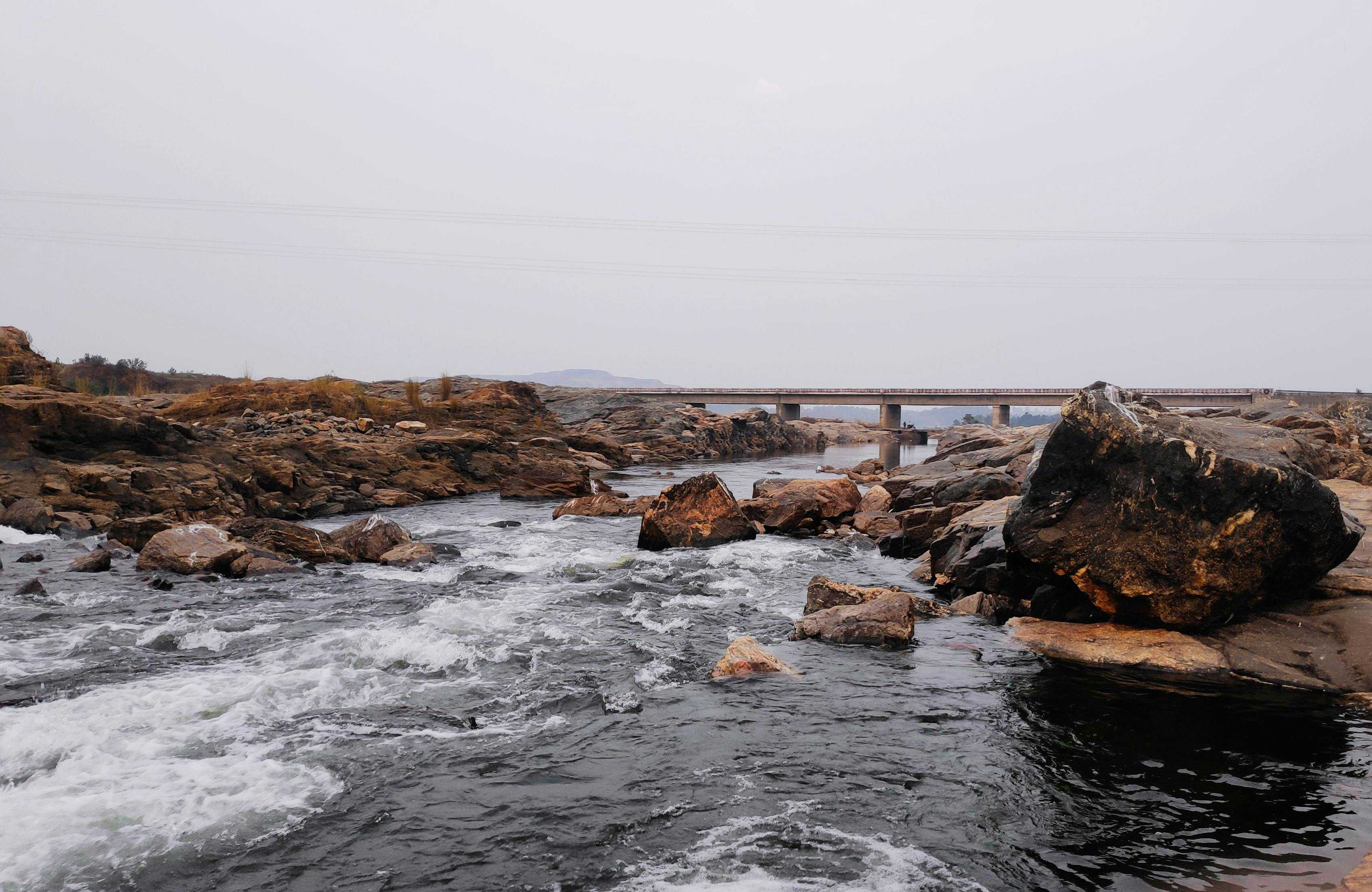
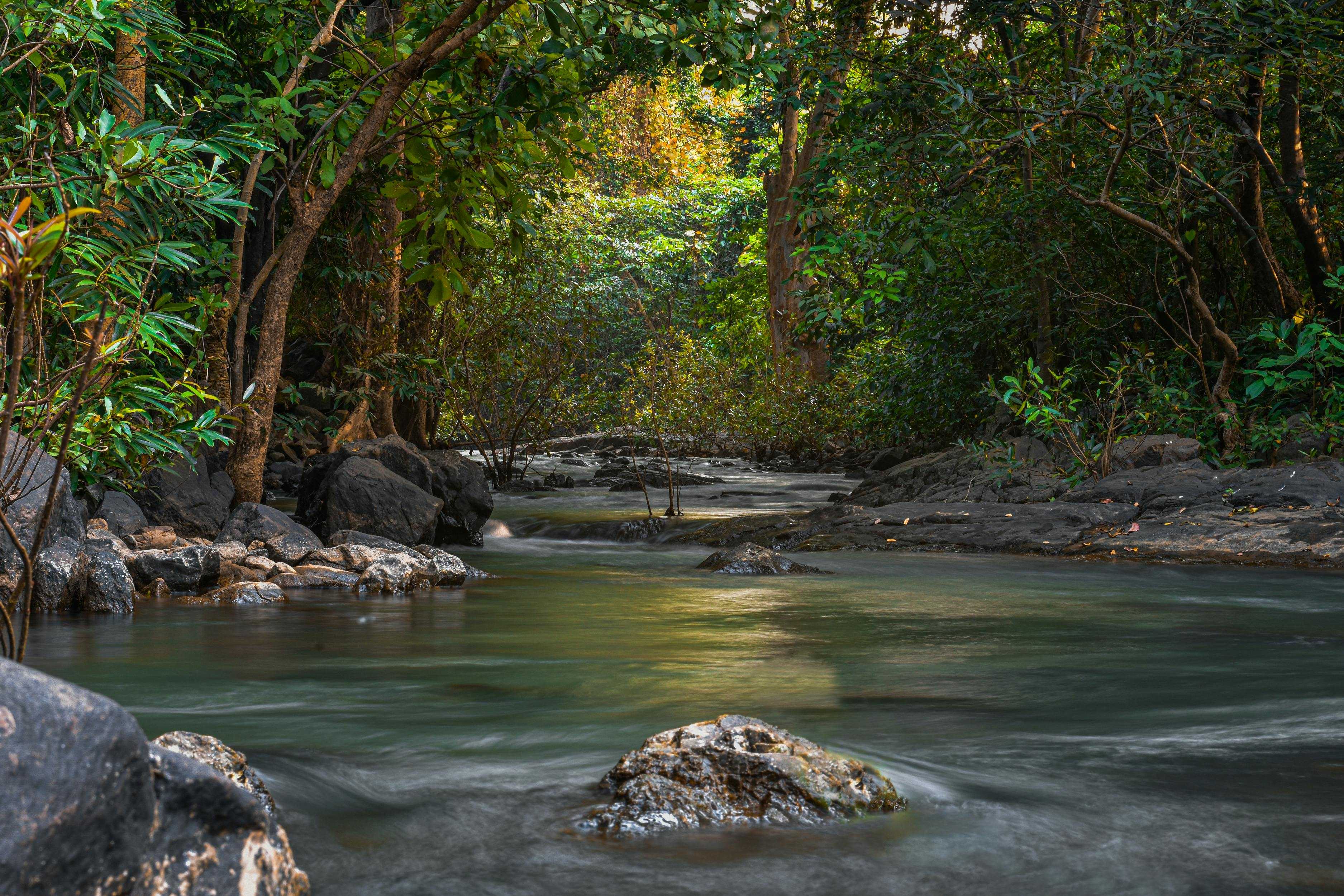
Natural Beauty: The region around Jhabua is characterized by lush greenery, rolling hills, and picturesque landscapes. Nature lovers can explore the nearby forests, waterfalls, and scenic spots like Patalpani and Mahadev Tekri.
-
Authentic Cuisine: Traveling to Jhabua allows visitors to savor authentic local cuisine, which is a delightful mix of tribal flavors and traditional Indian dishes. Don't miss the opportunity to taste local delicacies like Bhutte ka Kees, Bafla, and Gatta Curry.
-
Off-the-Beaten-Path Destination: Jhabua is relatively lesser-known compared to other tourist destinations in India, making it a perfect choice for travelers seeking a more off-the-beaten-path experience. It offers a chance to explore unspoiled natural beauty and immerse oneself in authentic tribal culture.
Overall, traveling to Jhabua can be a rewarding experience for those looking to discover the hidden gems of Madhya Pradesh and explore the vibrant tribal culture of the region.
What to know
Jhabua, located in Madhya Pradesh, India, is a beautiful destination with its rich cultural heritage and natural beauty. However, like any travel destination, there are some cons to consider:
-
Limited Infrastructure: Jhabua may have limited infrastructure in terms of transportation, accommodation, and other tourist facilities compared to more popular tourist destinations. This could impact the convenience and comfort of your travel experience.
-
Language Barrier: English may not be widely spoken in Jhabua, so communication could be a challenge for travelers who do not speak the local language. This may make it difficult to navigate the area and interact with locals.
-
Health and Safety Concerns: Like any rural area, Jhabua may have limited healthcare facilities and emergency services. Travelers should take necessary precautions to ensure their health and safety during their visit.
-
Limited Tourist Attractions: While Jhabua has its own unique charm and cultural experiences to offer, it may not have as many tourist attractions or activities as more popular destinations in India. Travelers looking for a wide range of activities and sightseeing opportunities may find Jhabua lacking in this aspect.
-
Seasonal Considerations: It's important to consider the weather and seasonal factors when planning a trip to Jhabua. Extreme temperatures, monsoon rains, or other weather-related issues could impact your travel experience.
Please note that these cons are general considerations and may not apply to everyone. It's always a good idea to do thorough research and plan accordingly before traveling to a new destination like Jhabua.