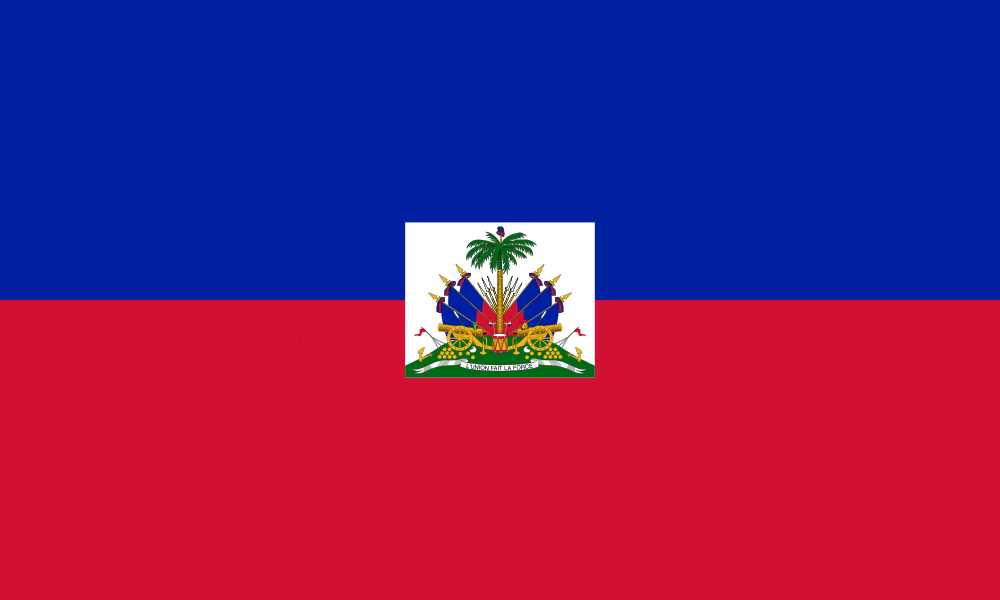
· HT

Jérémie

Jeremie, Grand'Anse, Haiti

Located in the picturesque region of Grand'Anse in Haiti, Jérémie is a hidden gem waiting to be explored by adventurous travelers. This charming coastal town is known for its stunning natural beauty, vibrant cultural sce…

#Jérémie#Grand'Anse#Haiti#coastal city#tourism

Top hotels & flights

Hand-picked stays and the best fares into Jérémie.

Top Hotels in Jérémie

Top Flights to Jérémie

Popular activities

Tours, tickets and experiences travelers book most in Jérémie.

Tours

Explore Historic Jérémie

Discover the charming history and culture of Jérémie with visits to historic buildings, monuments, and sites.

Shopping

Local Market Shopping Spree

Experience the vibrant colors and flavors of local Haitian markets in Jérémie.

Outdoor

Grand'Anse Coast Adventure

Discover the stunning coastline of Grand'Anse with a guided outdoor tour that includes hiking, beach visits, and water activities.

Location videos

Real reels from travelers, plus longer watches to get the full picture.

From travelers
Watch & explore

Practical info

The essentials for planning your time in Jérémie.

Currency
G | HTG | Haitian Gourde $ | USD | US Dollar
Population
Not Available
Languages
French, French, Haitian Creole
Average weather
Jérémie
Jan
sun
30°20°
Feb
sun
30°20°
Mar
sun
31°21°
Apr
sun
32°22°
May
rain
32°23°
Jun
rain
33°24°
Jul
rain
33°24°
Aug
rain
33°24°
Sep
rain
32°24°
Oct
rain
31°23°
Nov
sun
31°22°
Dec
sun
30°21°

Local guide

What travelers love, what to watch for, and a deeper read on Jérémie.

What people love

Jérémie, located in the Grand'Anse region of Haiti, offers several unique advantages for travelers looking to explore this area:

  1. Scenic Beauty: Jérémie is known for its stunning natural beauty, with picturesque beaches, lush green mountains, and vibrant tropical landscapes. Travelers can enjoy breathtaking views and opportunities for outdoor activities such as hiking, swimming, and sunbathing.

  2. Cultural Experience: Jérémie has a rich cultural heritage, with a mix of Haitian, French, and Spanish influences. Visitors can explore local markets, interact with friendly locals, and immerse themselves in the vibrant music, dance, and art scene of the region.

  3. Historical Sites: Jérémie has a number of historical sites and landmarks that offer insights into the region's past. Travelers can visit colonial-era buildings, churches, and museums to learn more about the history and heritage of Jérémie and its people.

  4. Authentic Cuisine: One of the highlights of traveling to Jérémie is the opportunity to sample authentic Haitian cuisine. Visitors can enjoy fresh seafood, tropical fruits, spicy stews, and other local delicacies that reflect the flavors and traditions of the region.

  5. Off-the-Beaten-Path Destination: Jérémie is a relatively undiscovered destination in Haiti, making it an ideal choice for travelers looking to escape the crowds and experience a more authentic and off-the-beaten-path travel experience.

Overall, traveling to Jérémie offers a unique opportunity to explore a beautiful and culturally rich region of Haiti, with plenty of opportunities for adventure, relaxation, and cultural immersion.

What to know

Traveling to Jérémie in Grand'Anse, Haiti, may have some potential cons that travelers should be aware of:

  1. Difficult Terrain: Jérémie is located in a mountainous region, and the roads leading to the area can be challenging to navigate, especially during the rainy season. This can result in longer travel times and potential road hazards.

  2. Limited Infrastructure: Jérémie may have limited access to basic services and infrastructure compared to more urban areas. This can include limited healthcare facilities, accommodation options, and internet connectivity.

  3. Safety Concerns: Like many parts of Haiti, Jérémie may have some security concerns, including crime rates higher than in more developed regions. Travelers should take precautions to ensure their safety and belongings.

  4. Health Risks: Travelers to Jérémie should be aware of potential health risks, such as mosquito-borne illnesses like malaria and dengue fever. It's important to take necessary precautions, including using insect repellent and seeking medical advice before traveling.

  5. Language Barrier: French and Haitian Creole are the main languages spoken in Haiti, and English proficiency may be limited in more rural areas like Jérémie. This can make communication challenging for travelers who do not speak these languages.

It's essential for travelers to research and plan ahead when traveling to Jérémie to ensure a safe and enjoyable experience.

Jérémie is a commune located in the Grand'Anse department of Haiti. It is the capital of the department and is situated on the southwestern tip of the Tiburon Peninsula. Jérémie has a rich and complex history, often referred to as the "City of Poets" due to its significant contribution to Haitian literature and culture.

Historical Background

  • Colonial Era: Jérémie was established during the French colonial period. The region was known for its agricultural products, particularly coffee and sugar, which were cultivated using enslaved labor.
  • Haitian Revolution (1791-1804): This period was tumultuous for Jérémie, as it was for the rest of the colony. The revolution led to the end of French colonial rule and the establishment of Haiti as the first independent black republic in 1804.
  • 19th Century: Jérémie continued to develop as a center of commerce and culture. It became known for its educated elite, many of whom were poets and writers, contributing to its reputation as the "City of Poets."

Significant Events

  • Duvalier Era (1957-1986): During the regimes of François "Papa Doc" Duvalier and later his son Jean-Claude "Baby Doc" Duvalier, Haiti, including Jérémie, suffered from political repression. The town was the site of a notorious massacre in 1964 known as the "Vespers of Jérémie," when the Duvalier regime killed many people suspected of opposing them.
  • 2010 Earthquake: Although the epicenter was near Port-au-Prince, the earthquake affected the entire country, including Jérémie, causing structural damage and economic hardship.
  • Hurricane Matthew (2016): Jérémie was severely damaged by Hurricane Matthew, which struck Haiti as a Category 4 hurricane. The storm destroyed much of the town's infrastructure, homes, and agricultural land, leading to a humanitarian crisis.

Historical Figures

  • Thomas-Alexandre Dumas (1762-1806): The father of famous French novelist Alexandre Dumas, he was born in Jérémie. Thomas-Alexandre became a general in Revolutionary France and is noted for being the highest-ranking person of African descent in a European army.
  • Émile Roumer (1903-1988): A notable Haitian poet and diplomat from Jérémie, Roumer contributed significantly to Haitian literature and culture.

Important Landmarks

  • Cathedral of Saint Louis: This is one of the main religious sites in Jérémie. It is a significant architectural and cultural landmark for the local community.
  • Maison Cadet: A historic house that reflects the colonial architecture of Jérémie. It serves as a reminder of the town's historical importance.
  • Beaches and Natural Beauty: Jérémie is known for its beautiful beaches and natural scenery, which attract visitors and are important to the local economy.

Cultural Significance

Jérémie's cultural heritage is marked by its contributions to Haitian literature, with many poets and writers originating from the town. Its rich tradition in the arts continues to be celebrated both in Haiti and among the Haitian diaspora.

In summary, Jérémie's history is characterized by its colonial roots, significant cultural contributions, and resilience in the face of natural and political challenges. The town remains an important cultural and economic center in Haiti's southwestern region.