
Jaworzno
· PL

Jaworzno

Jaworzno, Slaskie, Poland

Jaworzno: Discover Poland's Hidden Gem of Industry and Nature Escape the ordinary and uncover the unique charm of Jaworzno, a city in southern Poland where industrial heritage intertwines with breathtaking natural beauty…

#Poland#Śląskie#Industrial city#Coal mining#Historic architecture
1/2

Top hotels & flights

Hand-picked stays and the best fares into Jaworzno.

Top Hotels in Jaworzno

Top Flights to Jaworzno

Location videos

Real reels from travelers, plus longer watches to get the full picture.

Watch & explore

Practical info

The essentials for planning your time in Jaworzno.

Currency
zł | PLN | Polish Złoty
Population
88998.0
Languages
Polish, Polish
Average weather
Jaworzno
Jan
snow
1°-5°
Feb
snow
3°-4°
Mar
cloud
8°-1°
Apr
rain
14°3°
May
rain
19°8°
Jun
sun
23°12°
Jul
sun
25°14°
Aug
sun
24°13°
Sep
cloud
19°10°
Oct
rain
13°5°
Nov
cloud
7°1°
Dec
snow
2°-3°

Local guide

What travelers love, what to watch for, and a deeper read on Jaworzno.

What people love

Jaworzno, located in the Silesian Voivodeship of Poland, may not be as well-known as some of its neighboring cities, but it does offer several attractions and benefits for travelers. Here are some potential pros of visiting Jaworzno:

  1. Geographical Location: Jaworzno is well-situated within the Silesian region, making it a convenient base for exploring other parts of southern Poland, including the cultural and historical attractions of nearby cities like Kraków and Katowice.

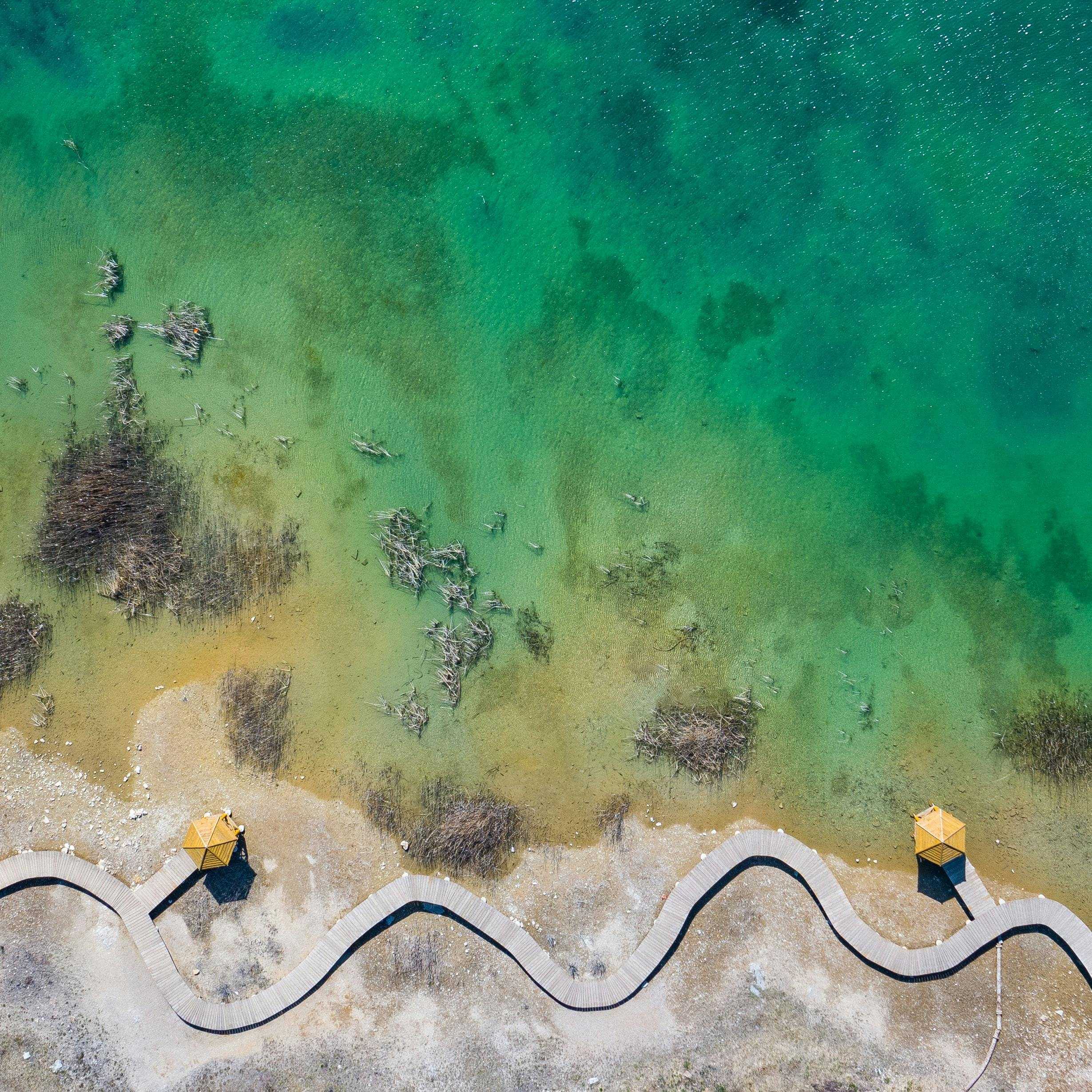
  2. Nature and Outdoor Activities: The city is home to several natural attractions, including parks and green spaces. One of the highlights is the Gródek Park, which features beautiful water bodies and is often referred to as the "Polish Maldives" due to its turquoise waters and picturesque scenery. It is an excellent spot for walking, cycling, and enjoying nature.

  3. Unique Geological Sites: Jaworzno is part of the Silesian Highlands, which provide interesting geological formations and landscapes. The area is suitable for hiking and offers opportunities for geological exploration.

  4. Industrial Heritage: As part of the historically industrial Silesian region, Jaworzno offers insights into Poland's industrial past. The city has several sites that reflect its coal mining heritage, which can be of interest to those who appreciate industrial history and heritage tourism.

  5. Local Culture and Events: While not a major tourist destination, Jaworzno hosts local events and cultural activities that can provide a glimpse into the everyday life and traditions of the region.

  6. Less Crowded: Compared to more famous tourist destinations, Jaworzno is likely to be less crowded, allowing for a more relaxed visit and the chance to experience Polish culture without the hustle and bustle of more frequented sites.

  7. Economic Accommodation and Dining: Being less tourist-oriented, Jaworzno may offer more affordable accommodation and dining options compared to larger cities, making it a budget-friendly choice for travelers.

While Jaworzno might not be on the typical tourist map, it offers a unique blend of natural beauty, industrial heritage, and local culture, making it an interesting stop for those exploring the Silesian region of Poland.

What to know

Information not available.

Jaworzno is a city located in the Silesian Voivodeship of southern Poland. Its history is rich and varied, with influences from various historical periods and events.

Early History and Development: Jaworzno's history dates back to at least the 13th century, with its name appearing in historical records as early as 1229. The region was initially part of the Kingdom of Poland and later came under the rule of the Austrian Habsburgs following the partitions of Poland in the late 18th century.

Industrial Growth: The industrialization of Jaworzno began in earnest in the 19th century. The city's development was primarily driven by the discovery of coal deposits and the subsequent establishment of coal mines. In the late 19th and early 20th centuries, Jaworzno became an important industrial hub, known for its coal mining and energy production. This industrial growth attracted workers and led to significant urban development.

World War II and Post-War Period: During World War II, Jaworzno, like much of Poland, was occupied by Nazi Germany. The city was the site of a forced labor camp, which was later transformed into a subcamp of the infamous Auschwitz concentration camp. After the war, Jaworzno fell under Soviet influence, as Poland became a part of the Eastern Bloc. The city's industrial capacity was further expanded during this period.

Contemporary Era: In the post-communist era, Jaworzno has undergone significant economic transformation. While the decline of heavy industry posed challenges, the city has diversified its economy and invested in infrastructure development. Jaworzno is noted for its efforts to modernize and improve the quality of life for its residents.

Landmarks:

  • Geosfera Geological Park: A unique educational and recreational area that highlights the geological history of the region.
  • St. Adalbert Church: A historic church that serves as an important religious and cultural site in the city.
  • Jaworzno Power Station: An important part of the city's industrial heritage, reflecting its history as an energy production center.

Historical Figures: While Jaworzno may not be widely recognized for specific historical figures, its development has been shaped by the many workers and communities who contributed to its industrial and cultural growth over the centuries.

Modern Developments: Today, Jaworzno is known for its efforts in sustainable urban development, including projects focused on renewable energy and environmental rehabilitation. The city has also invested in improving public transport and infrastructure to better serve its residents.

Overall, Jaworzno’s history is a reflection of the broader historical currents in Poland, characterized by industrial growth, the challenges of war and occupation, and a modern focus on sustainability and urban development.