Jajce
· BA

Jajce

Jajce, Bosnia and Herzegovina, Federation of, Bosnia and Herzegovina

Jajce, located in Bosnia and Herzegovina's Federation, is a picturesque town steeped in history and natural beauty that offers a truly unique experience for travelers. Nestled among the stunning landscapes of central Bos…

#historical site#waterfalls#medieval architecture#cultural heritage#tourist destination
1/4

Top hotels & flights

Hand-picked stays and the best fares into Jajce.

Top Hotels in Jajce

Top Flights to Jajce

Location videos

Real reels from travelers, plus longer watches to get the full picture.

From travelers
Watch & explore

Practical info

The essentials for planning your time in Jajce.

Currency
KM | BAM | Convertible Mark
Population
Not Available
Languages
Bosnian, Bosnian, Croatian, Serbian
Average weather
Jajce
Jan
snow
4°-3°
Feb
snow
6°-2°
Mar
rain
11°1°
Apr
rain
16°5°
May
cloud
21°9°
Jun
sun
25°13°
Jul
hot
28°15°
Aug
hot
28°15°
Sep
sun
23°11°
Oct
cloud
17°6°
Nov
rain
10°2°
Dec
snow
5°-2°

Local guide

What travelers love, what to watch for, and a deeper read on Jajce.

What people love

Jajce, located in Bosnia and Herzegovina, is a charming town with a rich history and stunning natural beauty. Here are some pros of traveling to Jajce:

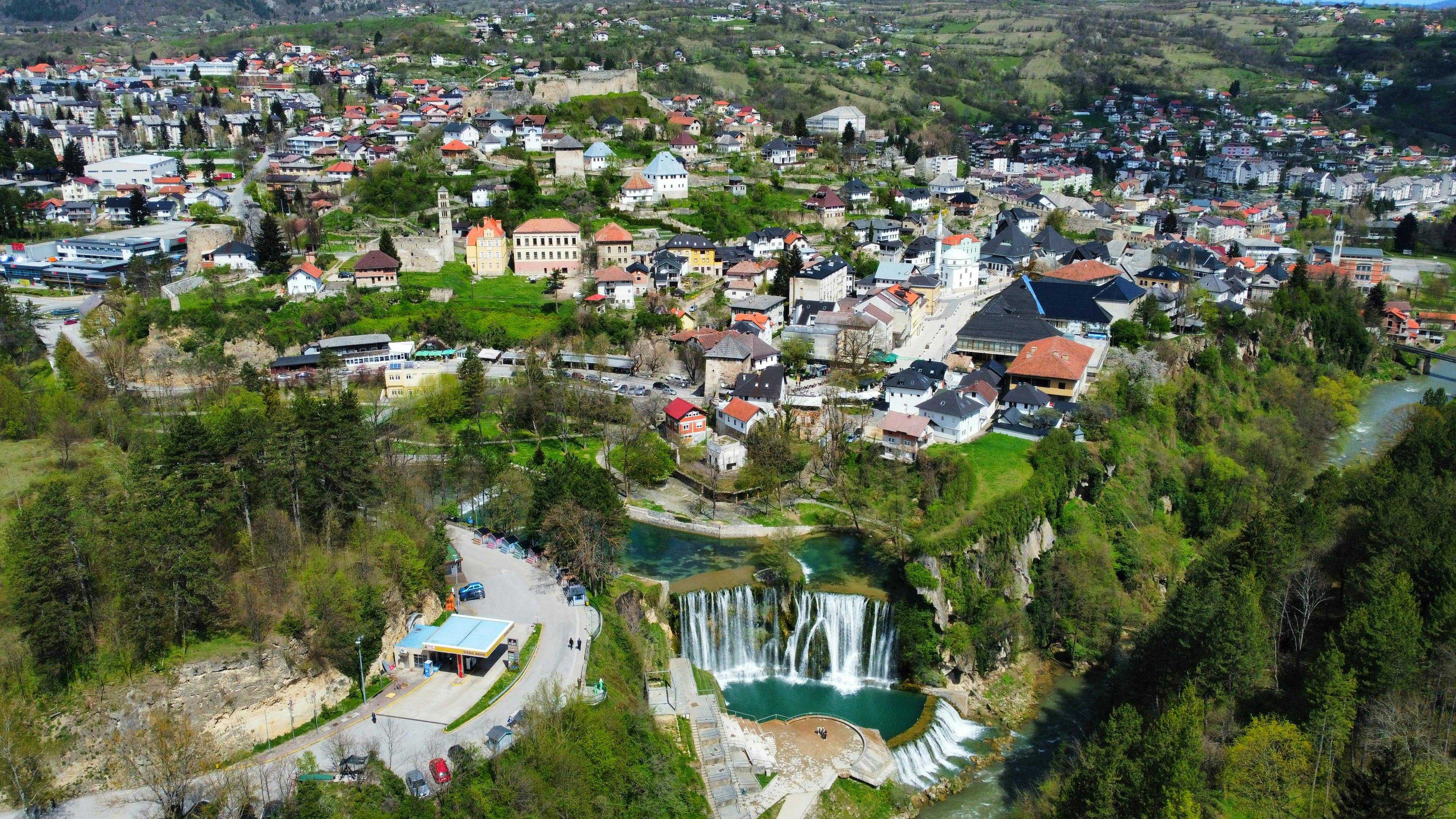
  1. Historical significance: Jajce is known for its historical significance as it was the capital of the medieval Kingdom of Bosnia. Visitors can explore the ruins of the old fortress, the medieval walled city, and the iconic Pliva Waterfall.

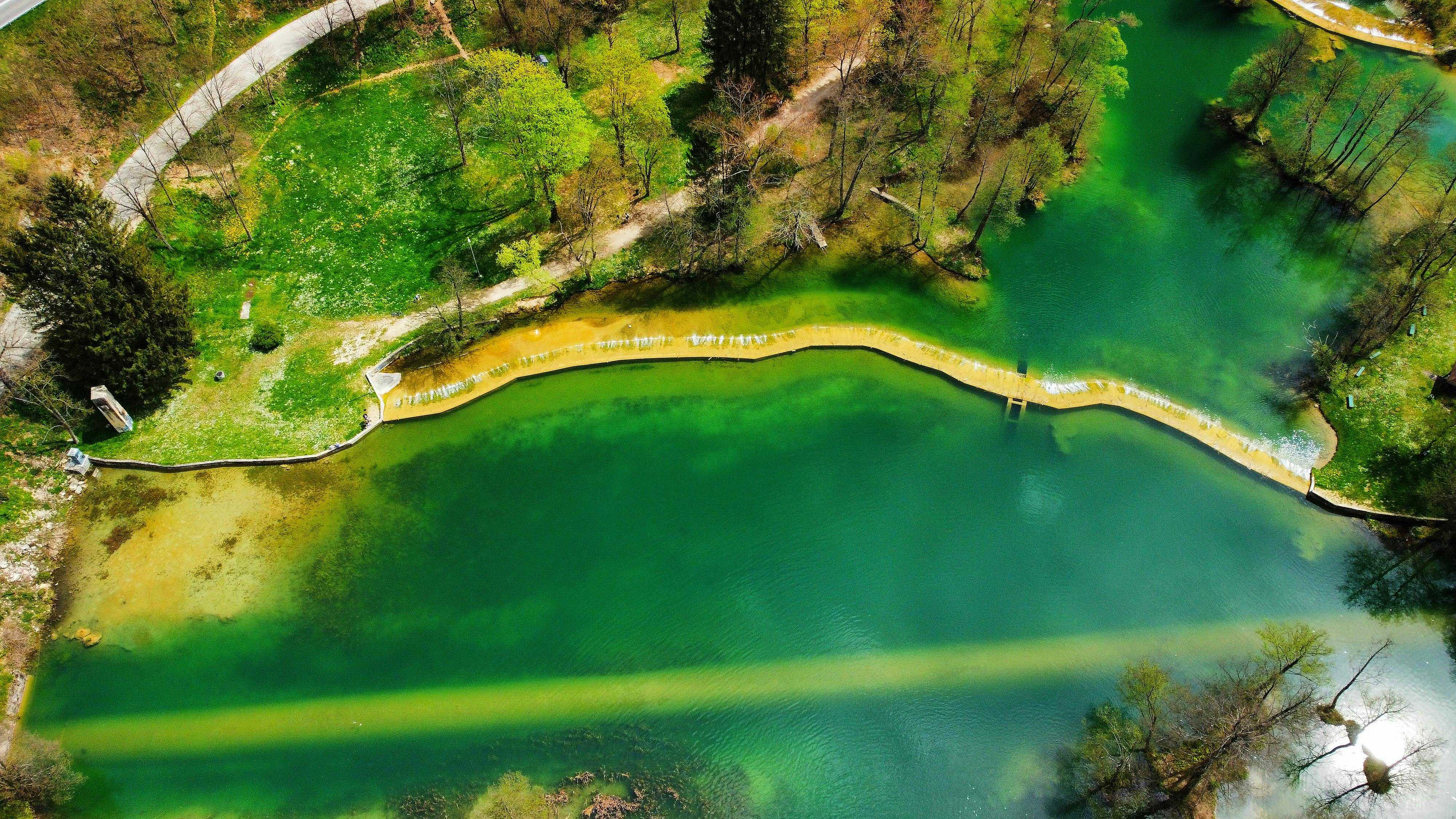
  2. Pliva Lakes: Jajce is surrounded by two beautiful lakes, the Great and Small Pliva Lakes, which offer opportunities for swimming, fishing, or simply relaxing by the water. The lakes are also popular for water sports such as kayaking and canoeing.

  3. Waterfalls: Jajce is famous for its impressive waterfalls, including the 22-meter-high Pliva Waterfall located in the town center. Visitors can enjoy stunning views of the waterfall and even take a boat ride underneath it.

  4. Cultural heritage: Jajce is home to several historical and cultural attractions, including the Museum of the Second Session of the National Liberation Army of Yugoslavia, which showcases the town's role in WWII history.

  5. Local cuisine: Travelers can enjoy delicious Bosnian cuisine in Jajce, including traditional dishes such as cevapi (grilled minced meat), burek (flaky pastry filled with meat or cheese), and baklava (sweet pastry).

Overall, traveling to Jajce offers a unique blend of history, nature, and culture, making it a worthwhile destination for those seeking an off-the-beaten-path experience in Bosnia and Herzegovina.

What to know

Some potential cons of traveling to Jajce, Bosnia and Herzegovina, could include:

  1. Limited transportation options: Jajce is a smaller town in Bosnia and Herzegovina, so it may not have as many transportation options compared to larger cities. This could make it more challenging to get around the area and to other destinations.

  2. Language barrier: English may not be widely spoken in Jajce, so communicating with locals and getting information could be more difficult if you do not speak Bosnian or Croatian.

  3. Limited tourist infrastructure: Jajce is not as heavily visited by tourists as other cities in Bosnia and Herzegovina, so the tourist infrastructure may be less developed. This could mean fewer accommodation options, restaurants, and tourist services available.

  4. Seasonal limitations: Some attractions or activities in Jajce may be seasonal, meaning they are only available during certain times of the year. This could impact your travel experience depending on when you visit.

  5. Remote location: Jajce is located in a more rural part of Bosnia and Herzegovina, so it may be less convenient to reach compared to more central destinations. This could result in longer travel times or fewer amenities available in the area.

Please note that these are general considerations and may vary based on individual preferences and circumstances. It's always a good idea to research further and consider your own travel needs and expectations when planning a trip to Jajce.

Jajce is a historic town located in central Bosnia and Herzegovina, within the Federation of Bosnia and Herzegovina. It has a rich and varied history, marked by its strategic position and cultural significance.

Ancient and Medieval Periods:

  • Illyrian and Roman Era: The area around Jajce has been inhabited since ancient times. It was originally settled by the Illyrians and later came under Roman control. The Romans left behind several artifacts and ruins in the region.

  • Medieval Period: Jajce gained prominence in the medieval period as a fortified town. It became an important administrative and military center. The town's strategic location at the confluence of the Pliva and Vrbas rivers contributed to its significance.

  • 14th Century: The town of Jajce was first mentioned in written records in the 14th century. It was under the rule of the Bosnian Kingdom and became a royal residence.

  • King Stjepan Tomašević: In 1461, Jajce was the site of the coronation of the last King of Bosnia, Stjepan Tomašević. The town served as the last stronghold of the Bosnian Kingdom before it fell to the Ottoman Empire.

Ottoman Period:

  • 1463: Jajce fell to the Ottomans in 1463, but it was briefly retaken by Hungarian forces. The Ottomans finally secured control in 1527.

  • Ottoman Influence: Under Ottoman rule, Jajce retained its importance as a military and administrative center. The Ottomans built several structures, including mosques and other buildings that contributed to the town's architectural heritage.

Austro-Hungarian Period:

  • 1878: Following the Congress of Berlin, Bosnia and Herzegovina came under Austro-Hungarian administration. This period saw modernization efforts and the introduction of new architectural styles.

20th Century:

  • Yugoslav Period: After World War I, Jajce became part of the Kingdom of Serbs, Croats, and Slovenes, later known as Yugoslavia. During World War II, Jajce gained historical prominence when it hosted the second session of the Anti-Fascist Council for the National Liberation of Yugoslavia (AVNOJ) on November 29, 1943. This session laid the foundation for the post-war socialist federation of Yugoslavia.

  • Bosnian War: During the Bosnian War in the 1990s, Jajce experienced significant conflict and damage. It was captured by Bosnian Serb forces in 1992 but was retaken by Bosnian and Croatian forces in 1995.

Significant Landmarks:

  • Jajce Fortress: The medieval fortress offers a panoramic view of the town and is a key historical monument.

  • Pliva Waterfall: A picturesque natural attraction located in the center of Jajce, where the Pliva River meets the Vrbas River.

  • Catacombs: An underground church and catacombs carved into the rock, believed to have been used by the Bosnian nobility.

  • AVNOJ Museum: Dedicated to the historical session of the AVNOJ, this museum commemorates the town's role in the formation of socialist Yugoslavia.

  • St. Mary's Church/Bell Tower of St. Luke: Originally a church, it was converted into a mosque during Ottoman times and is now a significant historical site.

Jajce today is not only a town with a rich historical tapestry but also a vibrant cultural hub that attracts tourists with its blend of natural beauty and historical significance.