
Itoshima
· JP

Itoshima

Itoshima, Fukuoka, Japan

Escape the City Buzz: Discover the Coastal Charm of Itoshima, Japan Just a stone's throw from the bustling metropolis of Fukuoka lies Itoshima, a peninsula paradise where breathtaking nature meets laid-back seaside livin…

#coastal#scenic#beach#rural#agricultural
1/2

Top hotels & flights

Hand-picked stays and the best fares into Itoshima.

Top Hotels in Itoshima

Top Flights to Itoshima

Location videos

Real reels from travelers, plus longer watches to get the full picture.

From travelers
Watch & explore

Practical info

The essentials for planning your time in Itoshima.

Currency
¥ | JPY | Japanese Yen
Population
Information not available.
Average weather
Itoshima
Jan
cold
10°2°
Feb
cold
11°3°
Mar
cloud
14°5°
Apr
cloud
19°10°
May
sun
23°14°
Jun
rain
26°19°
Jul
hot
30°23°
Aug
hot
32°24°
Sep
rain
28°21°
Oct
clear
23°15°
Nov
cloud
18°9°
Dec
cold
13°4°

Local guide

What travelers love, what to watch for, and a deeper read on Itoshima.

What people love

Itoshima, located in Fukuoka, Japan, is known for its beautiful beaches, stunning scenery, and unique cultural experiences. Here are some pros of traveling to Itoshima:

  1. Beaches: Itoshima is home to several picturesque beaches such as Futamigaura Beach, Keya Beach, and Sakurai Futamigaura Beach. Visitors can relax on the sandy shores, swim in the clear waters, and enjoy water sports like surfing and paddleboarding.

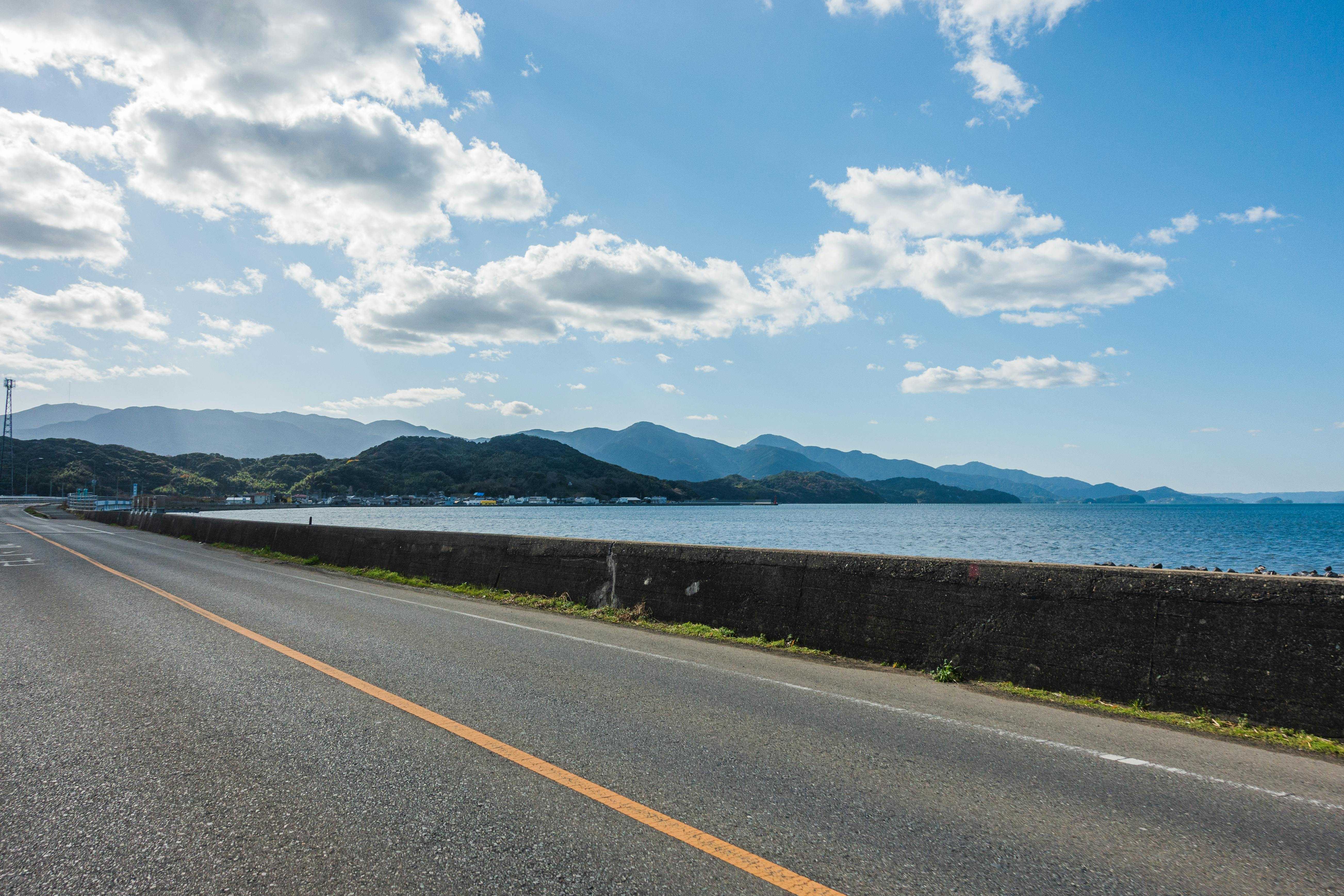
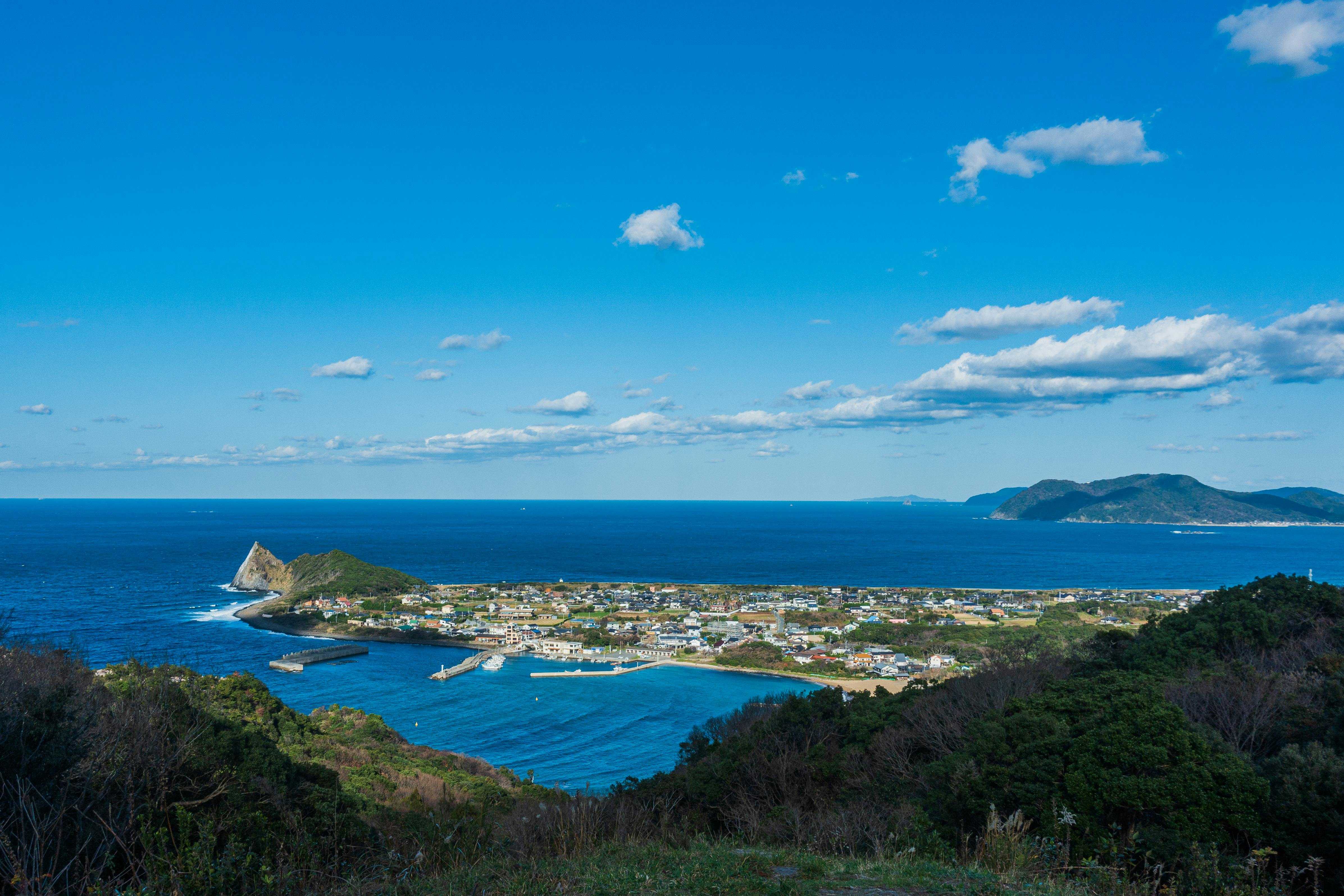
  2. Nature and Scenery: Itoshima is surrounded by lush greenery, rolling hills, and stunning coastal cliffs. Hiking and cycling trails offer opportunities to explore the natural beauty of the area, with breathtaking views of the ocean and countryside.

  3. Local Cuisine: Itoshima is known for its fresh seafood, particularly fugu (blowfish) dishes. Visitors can enjoy a culinary adventure by trying local delicacies at seafood restaurants and markets in the area.

  4. Cultural Experiences: Itoshima offers a glimpse into traditional Japanese culture with historic shrines, temples, and festivals. Visitors can participate in cultural activities such as tea ceremonies, calligraphy lessons, and pottery workshops.

  5. Relaxation and Wellness: Itoshima is a peaceful retreat away from the hustle and bustle of city life. Visitors can unwind at hot springs (onsen) resorts, practice yoga on the beach, or indulge in spa treatments for relaxation and rejuvenation.

Overall, traveling to Itoshima offers a perfect blend of natural beauty, cultural experiences, and relaxation, making it an ideal destination for those seeking a tranquil getaway in Japan.

What to know

Some potential cons of traveling to Itoshima, Fukuoka, Japan could include:

  1. Remote Location: Itoshima is a bit secluded from major cities like Fukuoka, which could make transportation to and from the area more challenging.

  2. Limited Public Transportation: Public transportation options within Itoshima may be limited, making it necessary to rely on private transportation like rental cars.

  3. Language Barrier: English may not be widely spoken in Itoshima, so communicating with locals and navigating the area could be more difficult for non-Japanese speakers.

  4. Limited Tourist Infrastructure: As a less touristy destination compared to other parts of Japan, Itoshima may have fewer tourist amenities such as English signage, information centers, and guided tours.

  5. Seasonal Considerations: Itoshima's weather can be unpredictable, with typhoons and heavy rainfall occurring during certain times of the year, potentially impacting travel plans.

Please note that these are general considerations and may not apply to every traveler's experience. It's always a good idea to research further and plan accordingly based on your specific needs and preferences.

Itoshima is a city located in Fukuoka Prefecture on the northern coast of Kyushu, Japan. The area is known for its beautiful natural scenery, including beaches, mountains, and rural landscapes, as well as its rich history and cultural heritage. Here is a detailed history of Itoshima:

Ancient and Medieval Periods

  • Yayoi and Kofun Periods: The Itoshima region has archaeological evidence of early human settlement dating back to the Yayoi period (circa 300 BCE - 300 CE). Several kofun (ancient burial mounds) have been discovered in the area, indicating its historical significance during the Kofun period (circa 250 - 538 CE).

  • Dazaifu and Trade: During the Nara (710-794) and Heian (794-1185) periods, Itoshima was part of the broader region governed by Dazaifu, which served as an administrative center for the Kyushu region and a hub for trade and diplomatic relations with the Asian mainland.

Sengoku and Edo Periods

  • Feudal Era: During the Sengoku period (1467-1603), the Itoshima area was marked by feudal conflicts and alliances. It was part of the territory controlled by various local daimyo (feudal lords) over the centuries, including the powerful Otomo and later the Kuroda clan during the Edo period (1603-1868).

  • Economic Development: Under the rule of the Kuroda clan, the region experienced economic development, with agriculture and fishing being the mainstays of the local economy. Rice production and marine resources were particularly significant.

Meiji Restoration to Modern Era

  • Meiji Restoration: Following the Meiji Restoration in 1868, Japan underwent rapid modernization and industrialization. Itoshima, like much of rural Japan, experienced changes in agriculture and infrastructure development.

  • Formation of Itoshima City: The modern city of Itoshima was established on January 1, 2010, through the merger of the city of Maebaru and the towns of Shima and Nijo, which were part of the former Itoshima District.

Significant Landmarks

  • Sakurai Futamigaura: One of the most famous landmarks in Itoshima is the Sakurai Futamigaura, known for its "married couple" rocks (Meoto Iwa) connected by a shimenawa (sacred rope). It is a popular spot for visitors and photographers, especially at sunset.

  • Keya no Oto: This is a natural cave located along the coastline, famous for its hexagonal basalt columns. It is accessible by boat tours and is a designated national natural monument.

  • Raizan Sennyoji Daihioin: A historic Buddhist temple in Itoshima, known for its beautiful gardens, ancient trees, and cultural heritage.

Cultural and Natural Heritage

  • Traditional Festivals: Itoshima hosts several traditional festivals throughout the year, celebrating local culture, history, and the changing seasons.

  • Natural Beauty and Outdoor Activities: The area's scenic landscapes, including beaches, hiking trails, and rural vistas, make it a popular destination for outdoor activities and relaxation.

Itoshima continues to be a blend of natural beauty and cultural heritage, attracting both tourists and residents with its harmonious balance of rural charm and modern convenience.