






Top hotels & flights
Hand-picked stays and the best fares into Ishikawa.
Top Hotels in Ishikawa
Top Flights to Ishikawa
Location videos
Real reels from travelers, plus longer watches to get the full picture.
Practical info
The essentials for planning your time in Ishikawa.
Local guide
What travelers love, what to watch for, and a deeper read on Ishikawa.
What people love
Ishikawa Prefecture, located in the Hokuriku region of Japan, offers a unique and enriching travel experience with its rich history, stunning natural beauty, and vibrant cultural scene. Here are some pros of traveling to Ishikawa:
-
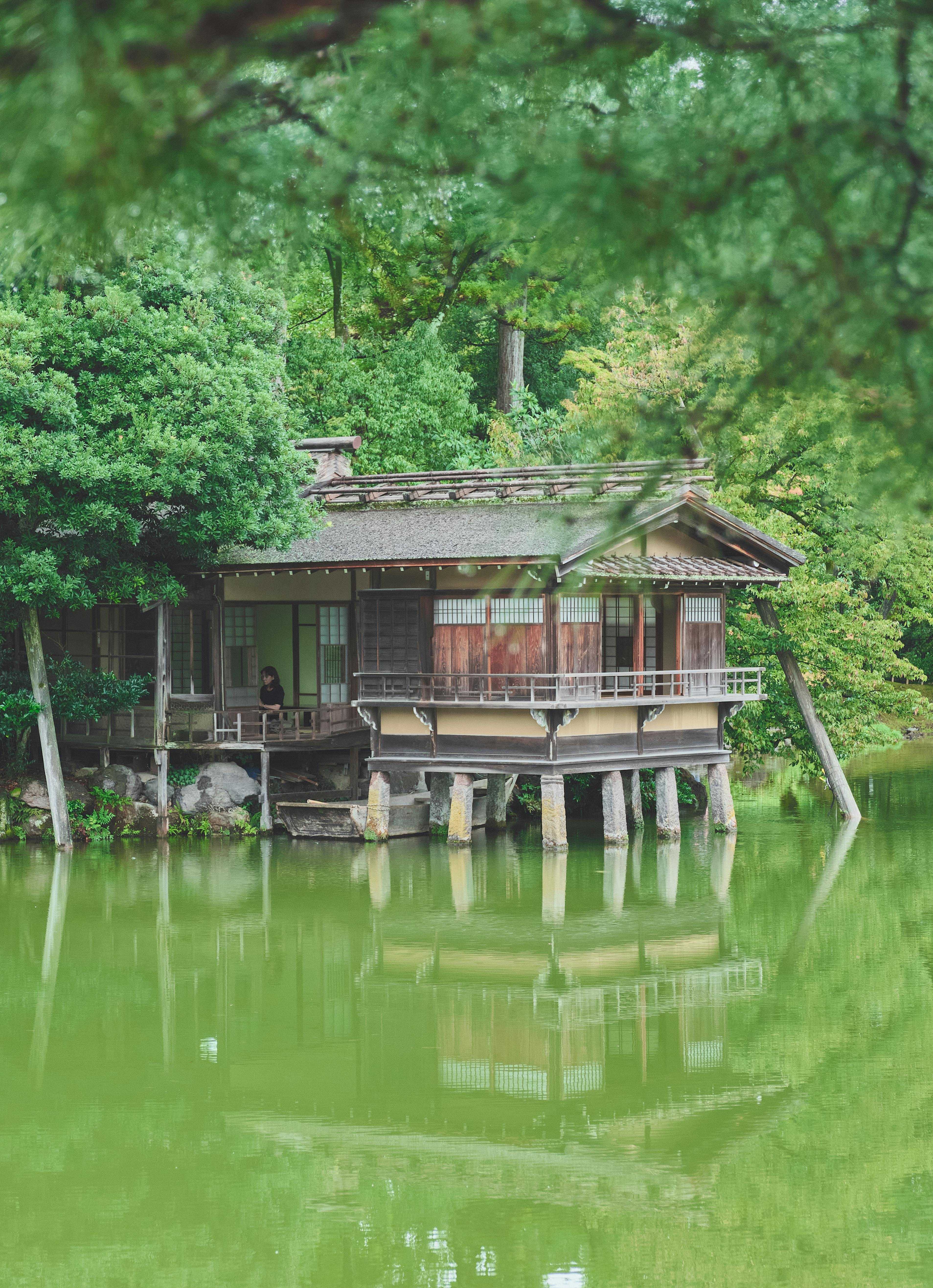
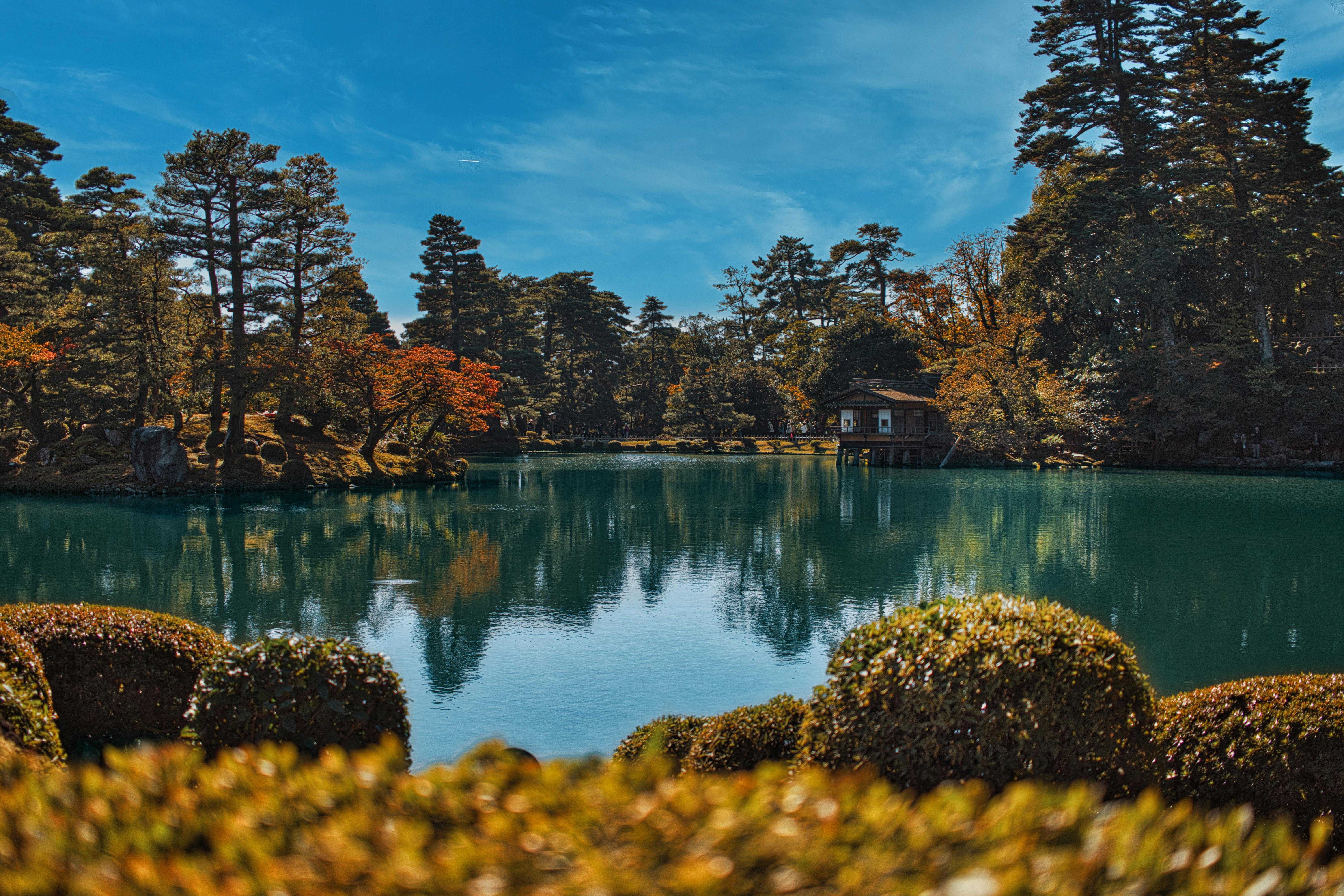
Kanazawa: The capital city of Ishikawa Prefecture, Kanazawa is known for its well-preserved Edo-period districts, beautiful traditional gardens like Kenrokuen Garden, and historic samurai districts such as Nagamachi. The city is also famous for its traditional crafts such as Kutani ware ceramics and gold leaf production.
-
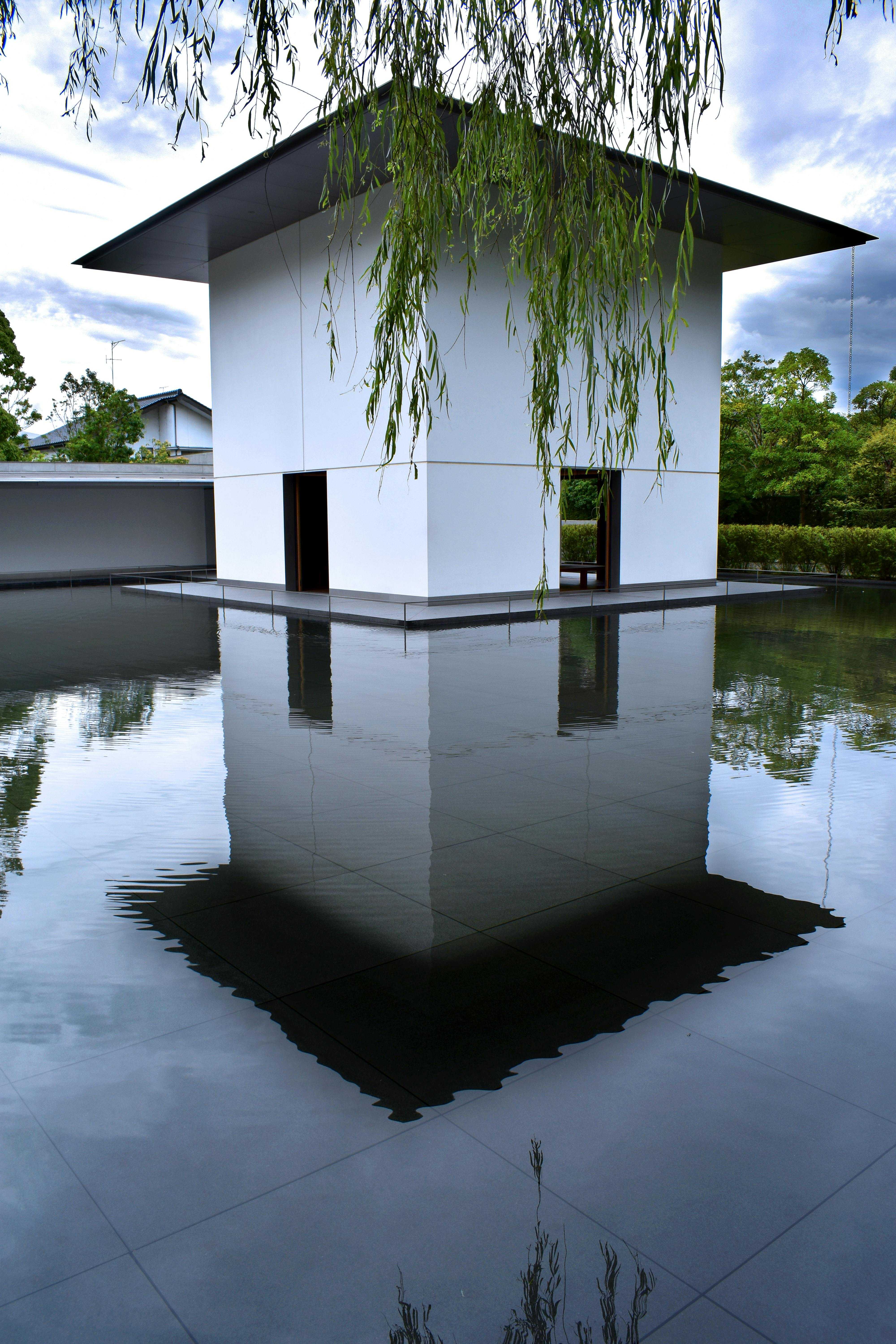
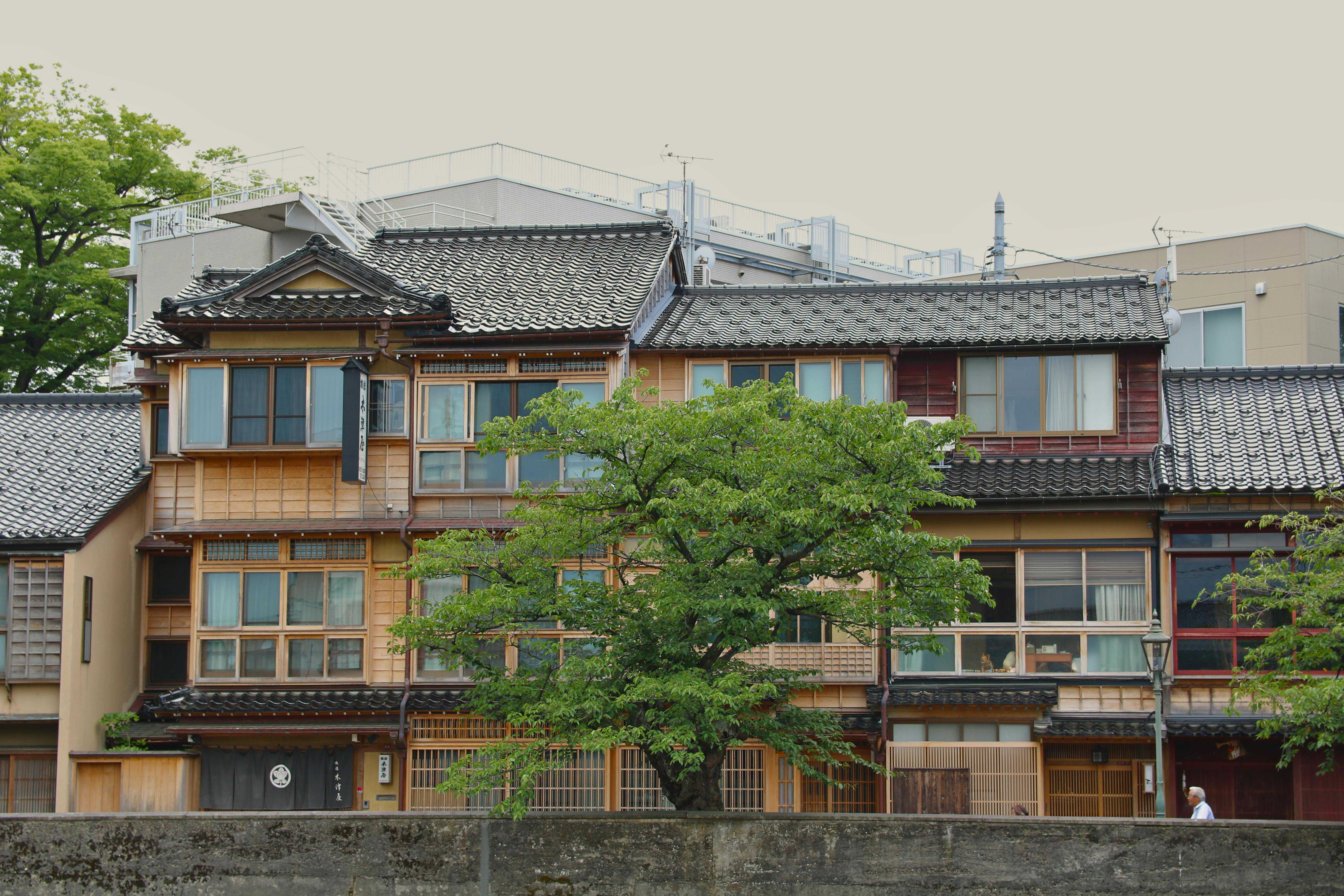
Cultural Attractions: Ishikawa is home to various cultural attractions such as the 21st Century Museum of Contemporary Art in Kanazawa, where you can explore modern art exhibitions, and the Higashi Chaya District, a beautifully preserved geisha district with tea houses and traditional Japanese architecture.
-
Food: Ishikawa is a paradise for food lovers, particularly seafood enthusiasts. The region is known for its high-quality seafood sourced from the Sea of Japan, including delectable sushi, sashimi, and crab dishes. Don't miss trying the local specialty, Kaga Ryori, a traditional multi-course meal featuring seasonal ingredients.
-
Hot Springs: Ishikawa boasts a number of relaxing hot spring resorts where you can unwind and rejuvenate in natural mineral-rich waters. One of the most popular hot spring destinations in Ishikawa is Kaga Onsen, offering a range of traditional ryokan accommodations and serene hot spring baths.
-
Scenic Landscapes: Ishikawa is blessed with diverse natural landscapes, from picturesque coastlines along the Sea of Japan to lush mountainous regions. Take a leisurely stroll along the sandy beaches of the Noto Peninsula or hike through the scenic Hakusan National Park for breathtaking views of nature.
-
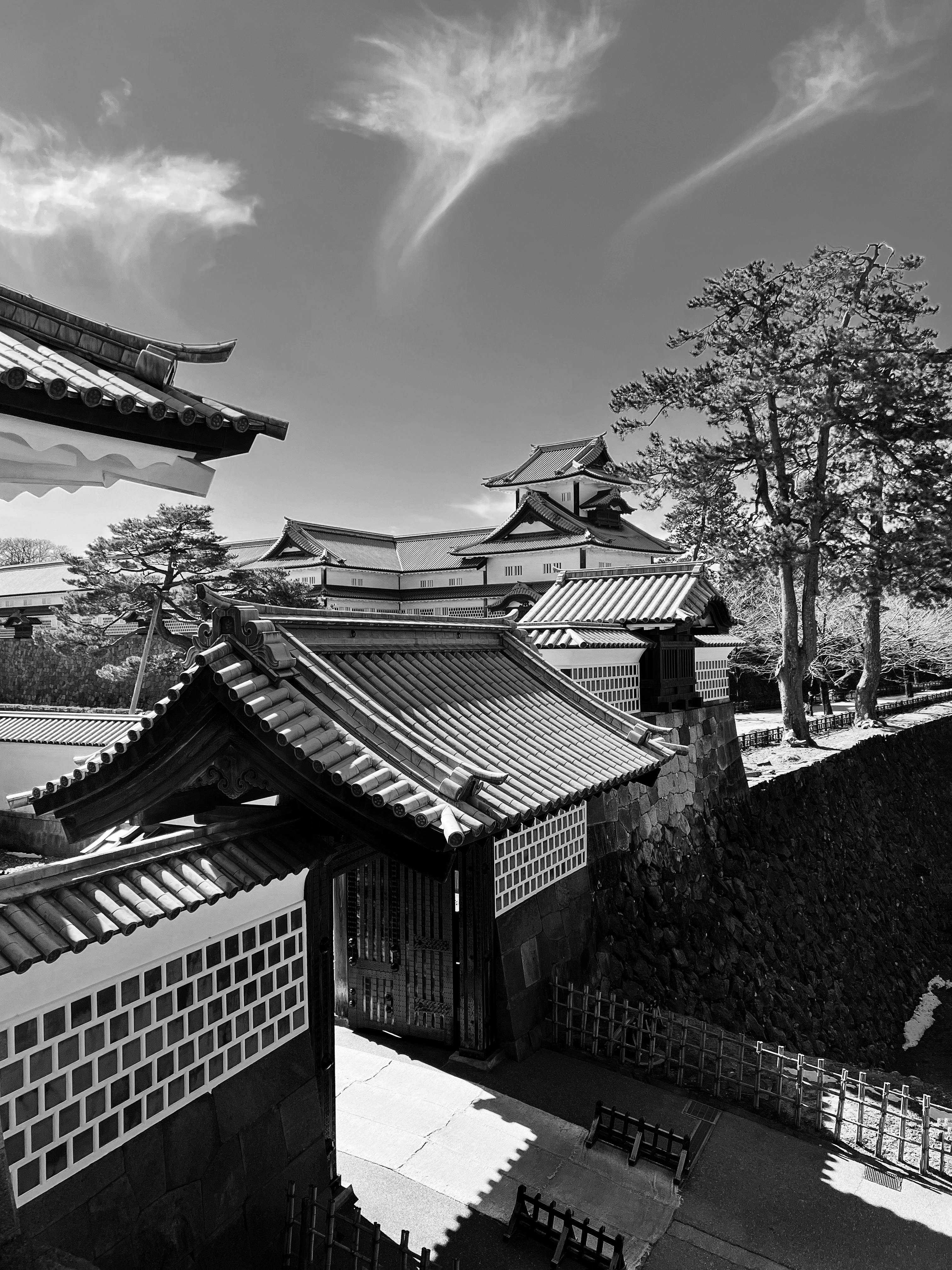
Historical Sites: History buffs will appreciate the wealth of historical sites in Ishikawa, such as Kanazawa Castle, a beautifully reconstructed castle showcasing traditional Japanese architecture, and the Nomura Samurai House, a well-preserved samurai residence that offers a glimpse into the samurai way of life.
Overall, traveling to Ishikawa in Japan offers a perfect blend of cultural experiences, natural beauty, delicious cuisine, and historical landmarks that cater to a wide range of interests and preferences.
What to know
Some potential cons of traveling to Ishikawa, Japan could include:
-
Weather: Ishikawa can experience heavy rainfall and snow during certain times of the year, which may affect travel plans and outdoor activities.
-
Language barrier: English may not be widely spoken in Ishikawa, so communication could be difficult for travelers who do not speak Japanese.
-
Remote location: Ishikawa is not as well-connected to major cities like Tokyo or Osaka, so getting there may require additional travel time and cost.
-
Limited tourist infrastructure: While Ishikawa has many cultural and historical attractions, it may not have as many tourist facilities or amenities compared to more popular destinations in Japan.
-
Crowds: Popular tourist spots in Ishikawa, such as Kanazawa, can get crowded during peak travel seasons, which may affect the overall travel experience.
Overall, while Ishikawa has much to offer in terms of history, culture, and natural beauty, travelers should be aware of these potential drawbacks when planning a trip to the region.