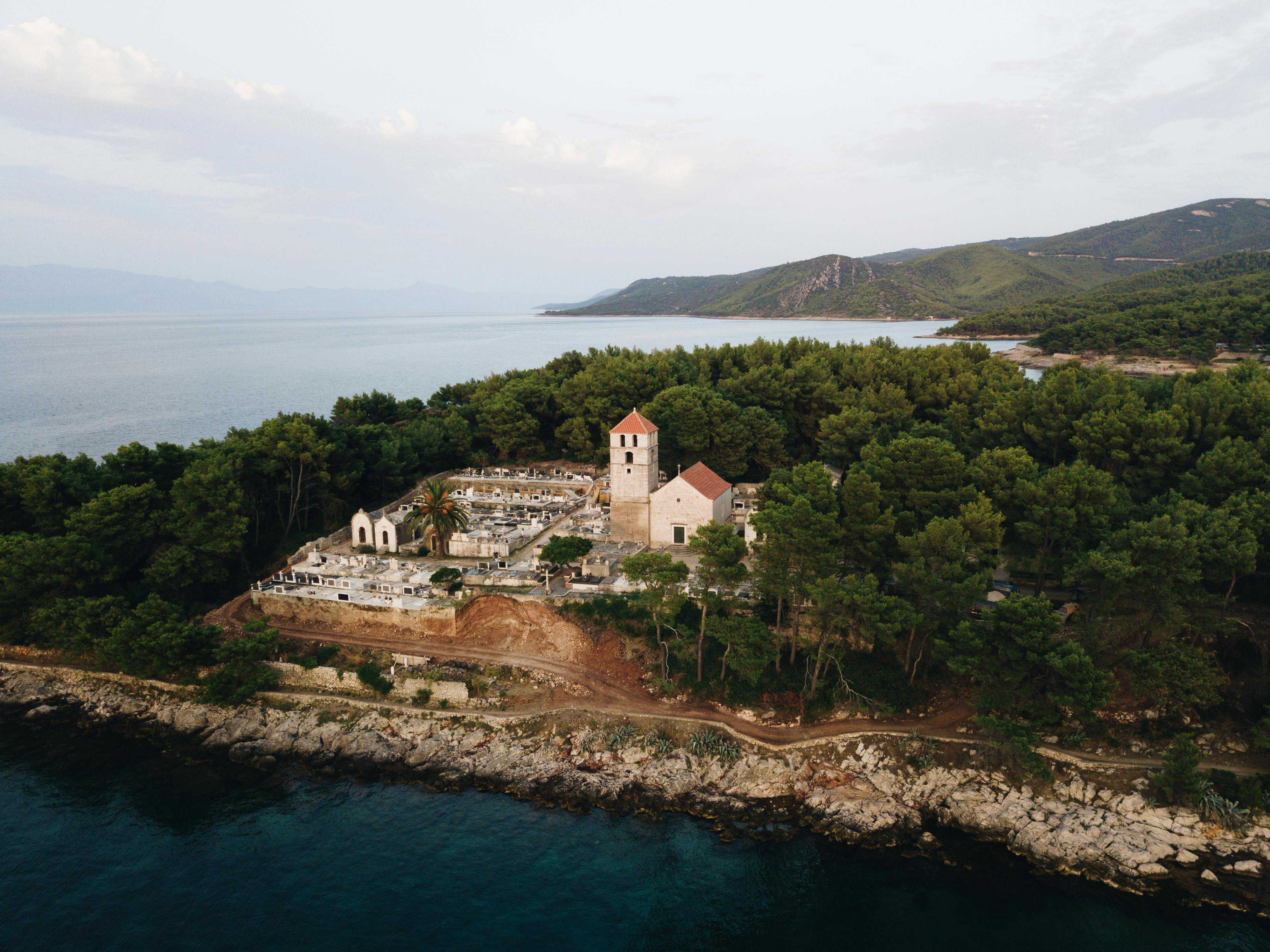

Imotski
· HR

Imotski

Imotski, Splitsko-Dalmatinska Zupanija, Croatia

Imotski, located in the Splitsko-Dalmatinska Županija region of Croatia, is a charming town that offers a unique blend of natural beauty, historical significance, and cultural richness. Known for its stunning natural lan…

#Imotski#Splitsko-Dalmatinska Županija#Croatia#scenic#natural beauty
1/5

Top hotels & flights

Hand-picked stays and the best fares into Imotski.

Top Hotels in Imotski

Top Flights to Imotski

Location videos

Real reels from travelers, plus longer watches to get the full picture.

From travelers
Watch & explore

Practical info

The essentials for planning your time in Imotski.

Currency
kn | HRK | Croatian Kuna
Population
Information not available.
Languages
Croatian, Serbian, Bosnian
Average weather
Imotski
Jan
cold
7°0°
Feb
cold
9°1°
Mar
cloud
13°3°
Apr
rain
17°7°
May
sun
22°11°
Jun
clear
27°15°
Jul
hot
30°18°
Aug
hot
30°18°
Sep
clear
25°14°
Oct
cloud
19°10°
Nov
rain
13°5°
Dec
cold
8°1°

Local guide

What travelers love, what to watch for, and a deeper read on Imotski.

What people love

Imotski is a small town located in the Splitsko-Dalmatinska Županija region of Croatia, known for its stunning natural beauty and historical sites. Here are some of the pros of traveling to Imotski:

  1. Natural Wonders: Imotski is famous for its two unique natural phenomena - the Blue Lake (Modro jezero) and the Red Lake (Crveno jezero). The Blue Lake is a deep sinkhole filled with crystal-clear blue water, while the Red Lake is a similar sinkhole with reddish cliffs surrounding it. These natural wonders offer breathtaking views and are great for photography enthusiasts.

  2. Historical Sites: Imotski is home to several historical sites, including the Topana Fortress, which dates back to the 10th century and offers panoramic views of the town and surrounding area. The Church of St. Francis and the Church of Our Lady of Angels are also worth a visit for their architectural beauty and historical significance.

  3. Outdoor Activities: The surrounding area of Imotski is ideal for outdoor enthusiasts, with opportunities for hiking, biking, and exploring the nearby caves and canyons. The region is also known for its vineyards and olive groves, making it a great destination for food and wine lovers.

  4. Authentic Croatian Experience: Imotski offers visitors a chance to experience traditional Croatian culture and hospitality away from the crowds of more touristy destinations. The town's charming streets, local markets, and family-run restaurants provide an authentic glimpse into everyday life in Croatia.

Overall, traveling to Imotski can be a rewarding experience for those seeking natural beauty, history, outdoor activities, and a taste of authentic Croatian culture.

What to know

Some potential cons of traveling to Imotski, Croatia, include:

  1. Limited transportation options: Imotski is a small town and may not have as many transportation options as larger cities, which could make it more challenging to get around the area or travel to other destinations.

  2. Language barrier: English may not be as widely spoken in Imotski as in more touristy areas, so communication could be a challenge for travelers who do not speak Croatian.

  3. Limited tourist infrastructure: Imotski is not as popular with tourists as other Croatian destinations, so the town may have limited tourist infrastructure such as accommodations, restaurants, and tourist services.

  4. Seasonal limitations: Some attractions in Imotski, such as the Blue and Red Lakes, may have limited access during certain times of the year due to weather conditions or maintenance.

  5. Remote location: Imotski is located in a more rural area of Croatia, which could mean limited access to amenities and services compared to larger cities.

Overall, while Imotski has its own unique charm and attractions, travelers should be prepared for a more off-the-beaten-path experience with potential limitations in terms of transportation, language, infrastructure, and amenities.

Imotski is a town located in the Dalmatian hinterland of Croatia, within the Splitsko-Dalmatinska Županija (Split-Dalmatia County). Its history is rich and varied, reflecting the broader historical currents of the Dalmatian region.

Historical Overview

  1. Ancient and Medieval Periods:

    • The area around Imotski has been inhabited since ancient times. The Illyrians, an ancient group of tribes, were among the first known settlers.
    • During the Roman period, the region was integrated into the Roman Empire, and remnants of Roman architecture can still be found in the area.
    • In the early medieval period, the region came under the control of the Croatian Kingdom. The first mention of Imotski dates back to the 10th century.
  2. Ottoman Period:

    • The town rose to greater prominence during the Ottoman period. The Ottomans captured Imotski in the late 15th century, and it remained under their control for nearly two centuries.
    • The Ottomans constructed a fortress on a hill above the town, which became a significant defensive structure.
  3. Venetian and Habsburg Rule:

    • In 1717, the Venetians captured Imotski from the Ottomans during the Morean War, and it became part of the Venetian Republic. This marked a period of economic growth and development.
    • After the fall of the Venetian Republic in 1797, Imotski came under Habsburg control as part of the Austrian Empire.
  4. 20th Century:

    • During World War II, Imotski was occupied by Italian forces, and later by German forces until the end of the war.
    • After the war, it became part of the Socialist Federal Republic of Yugoslavia.
    • Following the breakup of Yugoslavia in the early 1990s, Imotski became part of the independent Republic of Croatia.

Significant Figures

  • Fra Luka Vladimirović: A notable Franciscan priest and a key figure in the cultural and religious life of Imotski during the 18th century.
  • Tin Ujević: Although not born in Imotski, Ujević is one of Croatia's greatest poets, who spent part of his life in the region and is often associated with the broader Dalmatian cultural milieu.

Important Landmarks

  1. Topana Fortress:

    • The fortress, which dates back to the Ottoman period, is situated on a hill overlooking the town. It is a symbol of Imotski and offers panoramic views of the surrounding area.
  2. The Blue and Red Lakes:

    • Imotski is famous for its unique karst lakes. The Blue Lake, located near the town, is a popular swimming spot in the summer. The Red Lake is known for its impressive cliffs and depth.
  3. Church of St. Francis:

    • This church and the accompanying Franciscan monastery are central to the religious and cultural life of the town.
  4. Cultural and Historical Museum:

    • The museum provides insight into the history and culture of Imotski and its surroundings, showcasing artifacts from various periods.

Imotski today is a small town with a rich cultural heritage, reflecting its diverse historical influences. It serves as a gateway to the Dalmatian hinterland and offers visitors a glimpse into both its natural beauty and historical significance.