Imatra
· FI

Imatra

Imatra, Etela-Karjala, Finland

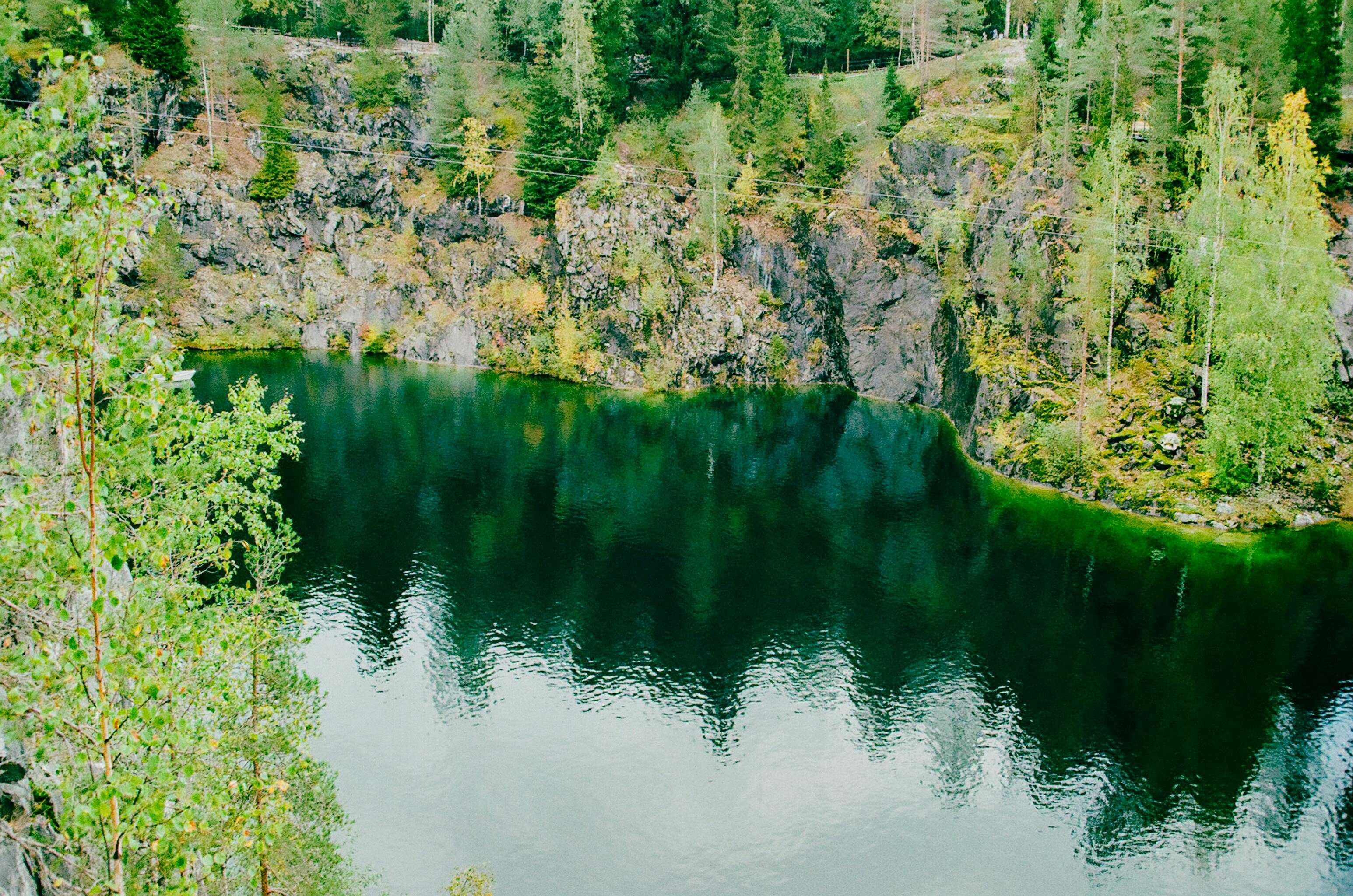
Imatra, located in the region of Etelä-Karjala, Finland, is a charming destination that offers a perfect blend of nature, history, and modern amenities for travelers seeking a unique and memorable experience. One of the …

#Scenic beauty#Waterfalls#Nature reserve#Historic sites#Outdoor activities
1/2

Top hotels & flights

Hand-picked stays and the best fares into Imatra.

Top Hotels in Imatra

Top Flights to Imatra

Location videos

Real reels from travelers, plus longer watches to get the full picture.

From travelers

Practical info

The essentials for planning your time in Imatra.

Currency
€ | EUR | Euro
Population
35,000
Languages
Finnish, Finnish, Russian
Average weather
Imatra
Jan
snow
-4°-10°
Feb
snow
-3°-11°
Mar
snow
1°-7°
Apr
cloud
8°-2°
May
cloud
15°3°
Jun
sun
20°9°
Jul
sun
22°12°
Aug
sun
20°11°
Sep
cloud
15°7°
Oct
rain
8°2°
Nov
snow
2°-3°
Dec
snow
-2°-8°

Local guide

What travelers love, what to watch for, and a deeper read on Imatra.

What people love

Imatra, located in the region of Etelä-Karjala in Finland, offers a unique travel experience with a combination of natural beauty, cultural attractions, and outdoor activities. Here are some pros of traveling to Imatra:

  1. Imatrankoski Rapids: Imatra is known for its stunning Imatrankoski Rapids, which are a popular natural attraction in the area. Watching the rushing water and experiencing the power of the rapids is a memorable experience for visitors.

  2. Lusto - The Finnish Forest Museum: Located nearby in Punkaharju, Lusto is a museum dedicated to showcasing the significance of Finnish forests and their cultural heritage. It offers a fascinating insight into the importance of forests in Finnish history and everyday life.

  3. Outdoor Activities: Imatra and its surrounding areas offer a wide range of outdoor activities for nature enthusiasts. From hiking and cycling to fishing and boating, there are plenty of opportunities to explore the Finnish wilderness and enjoy the fresh air.

  4. Cultural Events: Imatra hosts various cultural events throughout the year, including music festivals, art exhibitions, and traditional Finnish celebrations. These events provide a glimpse into the local culture and offer a chance to interact with the friendly residents of Imatra.

  5. Saimaa Lake: Imatra is located near Lake Saimaa, which is the largest lake in Finland and offers beautiful scenery and recreational opportunities. Visitors can enjoy boat cruises, fishing, and relaxation by the lake shore.

Overall, traveling to Imatra in Etelä-Karjala, Finland, provides a wonderful opportunity to immerse yourself in nature, explore Finnish culture, and enjoy a range of outdoor activities.

What to know

Imatra, located in Etelä-Karjala, Finland, is a beautiful destination known for its stunning natural landscapes and outdoor activities. However, like any travel destination, there are some potential cons to consider:

  1. Limited public transportation: Imatra is a relatively small town, and public transportation options may be limited compared to larger cities. This could make it more challenging to get around without a car.

  2. Seasonal variations: Finland experiences significant seasonal variations in weather, with cold winters and short summers. Traveling to Imatra during the winter months may mean dealing with snow and cold temperatures, which could impact outdoor activities.

  3. Language barrier: While many people in Finland speak English, you may encounter some language barriers in smaller towns like Imatra. It's always helpful to learn a few basic Finnish phrases or have a translation app handy.

  4. Limited nightlife and entertainment options: Imatra is a quieter destination, so if you're looking for a bustling nightlife scene or a wide variety of entertainment options, you may find the town lacking in this regard.

  5. Limited cultural attractions: While Imatra offers beautiful natural scenery, it may not have as many cultural attractions or historical sites compared to larger cities in Finland. If you're interested in museums, art galleries, or historical landmarks, you may need to explore other nearby areas.

Overall, while Imatra offers a unique and peaceful travel experience, it's important to consider these potential cons before planning your trip.

Imatra, located in the South Karelia region of Finland, has a rich history intertwined with Finland's broader historical developments, particularly its industrial growth and geopolitical significance.

Early History

Imatra’s history is closely tied to the Vuoksi River and the Imatrankoski Rapids, which have been a significant natural attraction for centuries. The area has been inhabited since prehistoric times, with archaeological finds suggesting human presence around the Vuoksi River.

Development as a Spa Town

In the 18th and 19th centuries, Imatra became a popular destination for tourists from Russia and Europe, drawn by the natural beauty of the Imatrankoski Rapids. The rapids were often visited by Russian nobility, and the area was developed as a spa destination. In 1772, Empress Catherine the Great of Russia visited Imatra, marking the beginning of its status as a tourist destination.

Industrialization

The industrialization of Finland in the late 19th and early 20th centuries significantly impacted Imatra. The establishment of the Vuoksi River hydroelectric power plant in the early 20th century marked a turning point, facilitating industrial growth. This development led to the establishment of paper mills and other industries in the region, which became central to Imatra’s economy.

20th Century and World War II

Imatra’s location near the Russian border has made it strategically significant, particularly during the tumultuous periods of the 20th century. During the Winter War (1939-1940) and the Continuation War (1941-1944), Imatra was affected by its proximity to the front lines. The town played a role in the defense efforts and experienced periods of military occupation.

Post-War Development

After World War II, Imatra underwent significant reconstruction and development. The post-war era saw a focus on rebuilding and expanding its industrial base. The town grew in population and infrastructure, continuing to be a center for the paper and pulp industries.

Important Landmarks

  • Imatrankoski Rapids: One of the most famous natural attractions in Finland, historically significant as a tourist destination.
  • Imatra State Hotel (Valtionhotelli): Built in 1903, this castle-like hotel is a historic landmark, reflecting the area's status as a tourist hub for Russian and European visitors.
  • Church of the Three Crosses: Designed by the renowned Finnish architect Alvar Aalto, this church, completed in 1957, is an example of modernist architecture and is noteworthy for its unique design.

Modern Imatra

Today, Imatra is known for its natural beauty, industrial heritage, and as a border town with close ties to Russia. The town continues to leverage its historical sites and natural attractions to draw tourists, while its industrial sector remains a vital part of the local economy.

Notable Figures

While Imatra itself may not be home to widely recognized historical figures, its development and significance have been shaped by the broader historical currents of Finnish and Russian history.

Imatra's history reflects a blend of natural beauty, industrial prowess, and geopolitical significance, making it a unique location with a rich cultural heritage.