





Top hotels & flights
Hand-picked stays and the best fares into Huaral.
Top Hotels in Huaral
Top Flights to Huaral
Practical info
The essentials for planning your time in Huaral.


Local guide
What travelers love, what to watch for, and a deeper read on Huaral.
What people love
Huaral, located in the Lima region of Peru, offers several advantages for travelers. Here are some of the pros of traveling to Huaral:
-
Proximity to Lima: Huaral is located relatively close to Lima, making it easily accessible for travelers looking to explore beyond the capital city. It is a great destination for a day trip or a weekend getaway.
-
Agricultural Tourism: Huaral is known for its agricultural production, particularly its delicious fruits and vegetables. Travelers can visit local farms and orchards to learn about the cultivation process and even participate in harvesting activities.
-
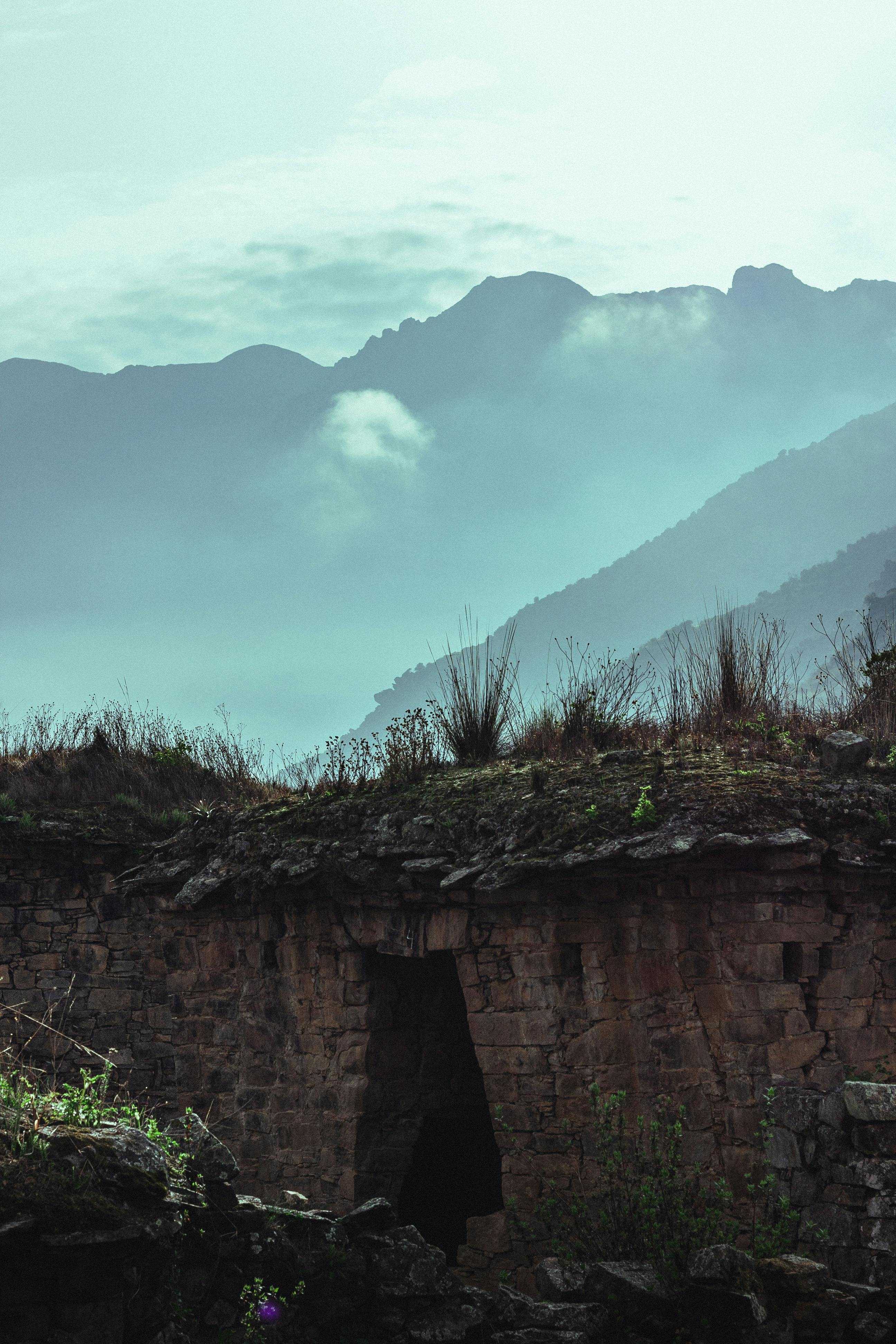
Natural Beauty: The surrounding landscapes of Huaral are characterized by lush greenery, rolling hills, and serene countryside. Travelers can enjoy the tranquil and picturesque setting while engaging in outdoor activities such as hiking, horseback riding, and birdwatching.
-
Culinary Delights: Huaral is renowned for its gastronomy, with a variety of local dishes that showcase the region's fresh ingredients and traditional flavors. Travelers can indulge in delicious meals featuring specialties like ceviche, arroz con pato (duck with rice), and chicharrón de chancho (fried pork).
-
Cultural Immersion: Huaral offers visitors the opportunity to immerse themselves in Peruvian culture and traditions. Travelers can explore local markets, attend festivals and events, and interact with friendly locals to gain a deeper understanding of the region's heritage.
Overall, traveling to Huaral provides a unique and enriching experience for those seeking a blend of nature, culture, and culinary delights in a charming Peruvian town.
Enjoy your trip to Huaral!
What to know
Traveling to Huaral, located in the Lima region of Peru, may have some cons that travelers should be aware of:
-
Limited public transportation: Huaral is a smaller town and may have limited public transportation options, making it challenging to get around without a car.
-
Limited tourist infrastructure: Compared to larger cities in Peru, Huaral may have limited tourist infrastructure, including fewer options for accommodations, restaurants, and tourist services.
-
Language barrier: While some people in Huaral may speak English, Spanish is the predominant language. Travelers who do not speak Spanish may face communication challenges.
-
Safety concerns: While Huaral is generally considered safe for tourists, it is always recommended to take precautions such as avoiding walking alone at night and keeping valuables secure.
-
Limited attractions: Huaral may not have as many tourist attractions or activities compared to other popular destinations in Peru, so visitors looking for a wide range of things to do may find it limited.
Overall, while Huaral offers a more off-the-beaten-path experience in Peru, travelers should be prepared for the potential challenges that come with visiting a smaller town with limited tourist infrastructure.