
Huangshi
· CN

Huangshi

Huangshi, Hubei, China

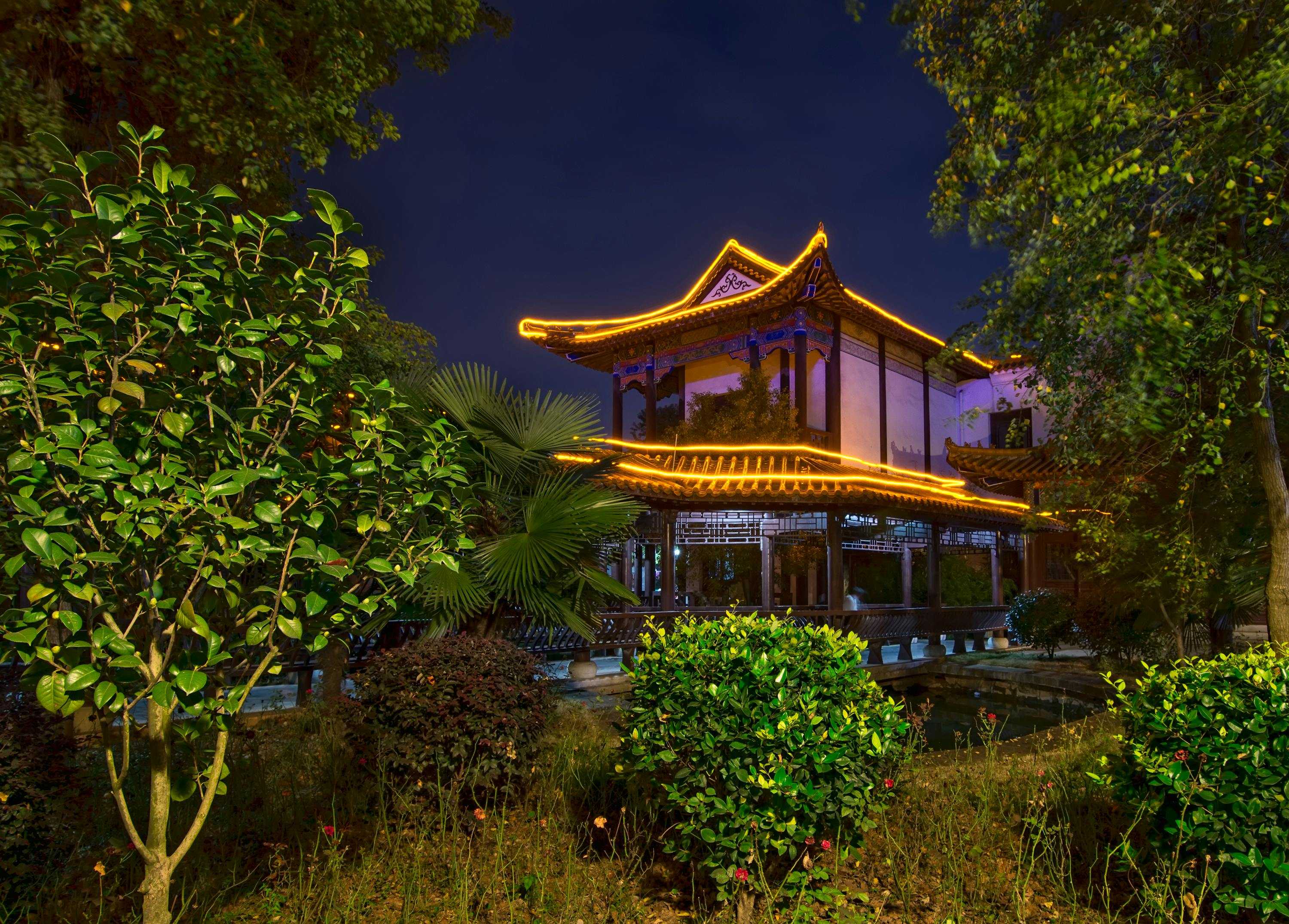
Discover Huangshi: Where Nature Meets Industry in China's Hubei Province Nestled on the banks of the mighty Yangtze River, Huangshi, in Hubei province, offers a unique blend of natural beauty, industrial heritage, and cu…

#Huangshi#Hubei#China#Urban#Industrial city
1/1

Top hotels & flights

Hand-picked stays and the best fares into Huangshi.

Top Hotels in Huangshi

Top Flights to Huangshi

Practical info

The essentials for planning your time in Huangshi.

Currency
¥ | CNY | Chinese Yuan
Population
2.4 million
Languages
Chinese, Chinese
Average weather
Huangshi
Jan
cold
8°2°
Feb
cold
10°4°
Mar
cloud
14°8°
Apr
rain
21°13°
May
rain
26°18°
Jun
rain
29°22°
Jul
hot
33°26°
Aug
hot
33°25°
Sep
rain
28°21°
Oct
cloud
23°15°
Nov
cloud
17°9°
Dec
cold
11°4°

Local guide

What travelers love, what to watch for, and a deeper read on Huangshi.

What people love

Huangshi, located in Hubei, China, offers several attractions and experiences that make it a worthwhile travel destination. Some of the pros of traveling to Huangshi include:

  1. Natural Beauty: Huangshi is surrounded by beautiful natural scenery, including mountains, rivers, and lakes. Visitors can enjoy hiking, boating, and exploring the picturesque landscapes.

  2. Mining History: Huangshi has a rich mining history, with several mining sites and museums that offer insights into the region's industrial past. Visitors can learn about the mining industry and its impact on the local economy.

  3. Hot Springs: Huangshi is known for its hot springs, which are believed to have therapeutic properties. Travelers can relax and rejuvenate in these natural hot springs, enjoying the soothing waters and stunning surroundings.

  4. Cultural Heritage: Huangshi has a rich cultural heritage, with historical sites, temples, and traditional architecture that showcase the region's unique history and traditions. Visitors can explore these cultural attractions and learn about the local customs and practices.

  5. Local Cuisine: Huangshi is known for its delicious local cuisine, which includes fresh seafood, traditional Hubei dishes, and street food specialties. Travelers can enjoy authentic dining experiences and sample a variety of flavorful dishes.

Overall, traveling to Huangshi offers a mix of natural beauty, cultural experiences, and historical attractions that make it a compelling destination for travelers looking to explore a less-visited part of China.

What to know

Some potential cons of traveling to Huangshi, located in Hubei, China, include:

  1. Weather: Huangshi's climate can be quite hot and humid in the summer, which may not be comfortable for everyone. Additionally, the region can experience heavy rainfall during certain times of the year, which could impact outdoor activities.

  2. Language barrier: English is not widely spoken in Huangshi, so communication may be challenging for travelers who do not speak Mandarin or another local dialect.

  3. Limited tourist infrastructure: Huangshi is not as developed for tourism as some other cities in China, so visitors may find fewer amenities and attractions compared to more popular tourist destinations.

  4. Air quality: Like many cities in China, Huangshi may experience air pollution, especially during certain times of the year. This could potentially impact the health of travelers, particularly those with respiratory issues.

  5. Transportation: Getting around Huangshi may be more difficult for travelers who are not familiar with the local public transportation system or do not have access to a car. This could result in challenges navigating the city and accessing different areas.

It's important to note that these cons are general considerations and may not apply to every traveler's experience. It's always a good idea to research and plan ahead to ensure a smooth and enjoyable trip.

Huangshi is a prefecture-level city located in Hubei Province, China. It is situated in the southeastern part of the province, along the southern bank of the Yangtze River. Here is a detailed history of Huangshi:

Historical Overview:

  1. Ancient Era:

    • The area around Huangshi has a long history dating back several thousand years. It was part of the ancient state of Chu during the Spring and Autumn Period (770–476 BC) and the Warring States Period (475–221 BC).
  2. Imperial China:

    • During the Qin and Han dynasties, the region continued to develop, largely due to its strategic location along the Yangtze River.
    • In the Tang and Song dynasties, the area became more significant due to the development of trade routes along the Yangtze.
  3. Modern Era:

    • Huangshi began to industrialize in the late 19th and early 20th centuries. The city became known for its rich mineral resources, particularly iron and copper.
    • During the early 20th century, Huangshi's development was further accelerated by the construction of railways and improved river transport.
  4. 20th Century:

    • The city played a role in the industrial efforts during the Second Sino-Japanese War (1937-1945).
    • Post-1949, after the founding of the People’s Republic of China, Huangshi was developed as a center for heavy industry, particularly steel production.

Significant Events:

  • 1938: Battle of Wuhan: Huangshi, being close to Wuhan, was indirectly affected by the Battle of Wuhan during the Second Sino-Japanese War. The area was under Japanese occupation for a period.

  • Post-1949 Development: After the establishment of the People's Republic of China, Huangshi was significantly developed as an industrial city, contributing to China's heavy industry.

Historical Figures:

  • Li Shizhen (1518-1593): While not from Huangshi, Li Shizhen, a famous Chinese herbalist and physician, hailed from the nearby Hubei region. His influence extends to Huangshi due to the region's historical involvement in traditional Chinese medicine.

Important Landmarks:

  1. Cihu Lake Scenic Area: A recreational and scenic area known for its natural beauty and as a leisure spot for residents and tourists alike.

  2. Huangshi National Mining Park: This site showcases the city’s mining history and its development as a mining and industrial center.

  3. Daye Iron Mine: Located in the Daye district of Huangshi, this mine is one of the oldest and most significant in China, with historical importance in the region’s industrial growth.

  4. Tieshan Temple: An important cultural and religious site in the region, reflecting the historical and religious significance of the area.

  5. Huangshi Museum: Offers insights into the history and development of Huangshi, with exhibits on local culture, industry, and history.

Huangshi today is a vibrant city that blends its rich historical past with modern industrial development, continuing to play a significant role in the economic landscape of Hubei Province and China.