
Hoogeveen
· NL

Hoogeveen

Hoogeveen, Drenthe, Netherlands

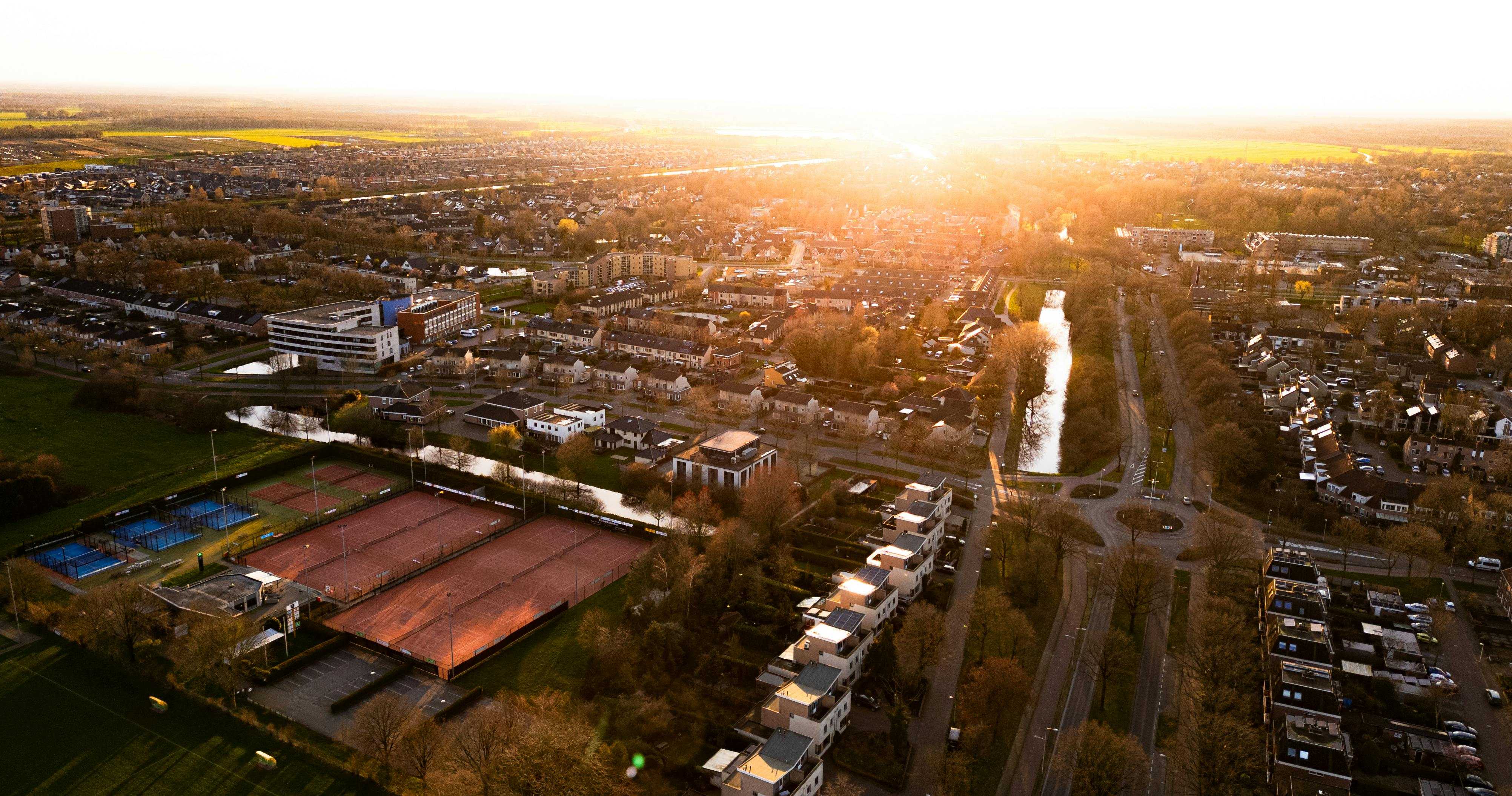
Escape to Hoogeveen: Where Nature Meets History in the Heart of Drenthe Nestled amidst the captivating landscapes of the Drenthe province, Hoogeveen offers a charming escape for travelers seeking a blend of history, natu…

#Hoogeveen#Drenthe#Netherlands#Small town#Historic buildings
1/9

Top hotels & flights

Hand-picked stays and the best fares into Hoogeveen.

Top Hotels in Hoogeveen

Top Flights to Hoogeveen

Location videos

Real reels from travelers, plus longer watches to get the full picture.

From travelers

Practical info

The essentials for planning your time in Hoogeveen.

Currency
€ | EUR | Euro
Population
55603.0
Languages
Dutch, Dutch
Average weather
Hoogeveen
Jan
cold
4°-1°
Feb
cold
5°-1°
Mar
cloud
9°1°
Apr
cloud
13°3°
May
sun
18°7°
Jun
sun
21°10°
Jul
sun
23°12°
Aug
sun
23°12°
Sep
cloud
19°10°
Oct
rain
14°6°
Nov
rain
8°3°
Dec
cold
5°0°

Local guide

What travelers love, what to watch for, and a deeper read on Hoogeveen.

What people love

Hoogeveen, located in the province of Drenthe in the Netherlands, offers several advantages for travelers:

  1. Nature and Outdoor Activities: Hoogeveen is surrounded by beautiful natural landscapes, including forests, heathlands, and lakes. Visitors can enjoy hiking, cycling, birdwatching, and other outdoor activities in the area.

  2. Cultural Heritage: The town of Hoogeveen itself has a rich history and cultural heritage. Travelers can explore historic buildings, museums, and galleries to learn more about the local culture and traditions.

  3. Peaceful Atmosphere: Hoogeveen is known for its peaceful and relaxed atmosphere, making it an ideal destination for those looking to unwind and escape the hustle and bustle of city life.

  4. Convenient Location: Hoogeveen is well-connected by public transportation, making it easy for travelers to explore other parts of the Netherlands. It is also close to popular tourist destinations such as Giethoorn and the Hoge Veluwe National Park.

  5. Local Cuisine: Visitors to Hoogeveen can sample traditional Dutch cuisine at local restaurants and cafes. The town also hosts regular food markets and festivals where travelers can taste local delicacies.

Overall, Hoogeveen offers a mix of natural beauty, cultural attractions, and a peaceful atmosphere, making it a great destination for travelers looking to experience the charm of the Netherlands.

What to know

Information not available.

Hoogeveen is a town and municipality located in the province of Drenthe, in the northeastern part of the Netherlands. It has a rich history that dates back several centuries, with various significant events and developments shaping its growth and character over time.

Early History

Hoogeveen was established in the early 17th century, around 1625, when Roelof van Echten, a local nobleman, began draining the area's peat bogs for cultivation and settlement. The town's development was closely tied to peat extraction, which was a significant economic activity during this period. The extraction of peat, used as a fuel source, was a major industry in the region.

Growth and Development

Throughout the 17th and 18th centuries, Hoogeveen continued to grow as a result of its peat industry. The town's location made it a convenient hub for trade and transport, especially given the network of canals that were constructed to facilitate the movement of goods. These canals are a distinctive feature of the landscape and have played a crucial role in the town's historical development.

19th and 20th Centuries

In the 19th century, the Industrial Revolution brought changes to Hoogeveen, as it did to much of Europe. The decline of the peat industry led to diversification in the local economy. During this time, agriculture and other industries began to play a more prominent role in the area's economy.

The 20th century saw further transformations. During World War II, like many towns in the Netherlands, Hoogeveen was occupied by German forces. The town experienced hardship during the war, but it also saw post-war recovery and growth.

Modern Era

In recent decades, Hoogeveen has developed into a modern town with a diverse economy. It has become a regional center for commerce, education, and healthcare, attracting residents from surrounding areas. The town has also focused on improving its infrastructure and amenities, contributing to its reputation as a pleasant place to live.

Significant Landmarks

Hoogeveen has several landmarks reflecting its history and cultural heritage:

  • De Zwaluw: This is a historic windmill in Hoogeveen, originally built in 1834. It's a traditional Dutch windmill that has been restored and is a symbol of the town's heritage.

  • The Hoofdstraat: The main street of Hoogeveen, known for its shopping and cultural sites.

  • The Cascade: A notable modern sculpture and fountain in the town center, symbolizing the flow and connection of the canals and waterways in Hoogeveen.

Historical Figures

While Hoogeveen is not widely known for historical figures of international fame, its development was significantly influenced by local leaders and entrepreneurs who contributed to the town's industrial and economic growth over the centuries.

Conclusion

Hoogeveen is a town with a rich history linked to the peat industry, trade, and agriculture. It has evolved over the centuries from a small settlement into a vibrant community, maintaining its historical charm while embracing modern development. The town continues to be an important part of the Drenthe province, offering a blend of cultural heritage and modern living.