
Herstal
· BE

Herstal

Herstal, Wallonia, Belgium

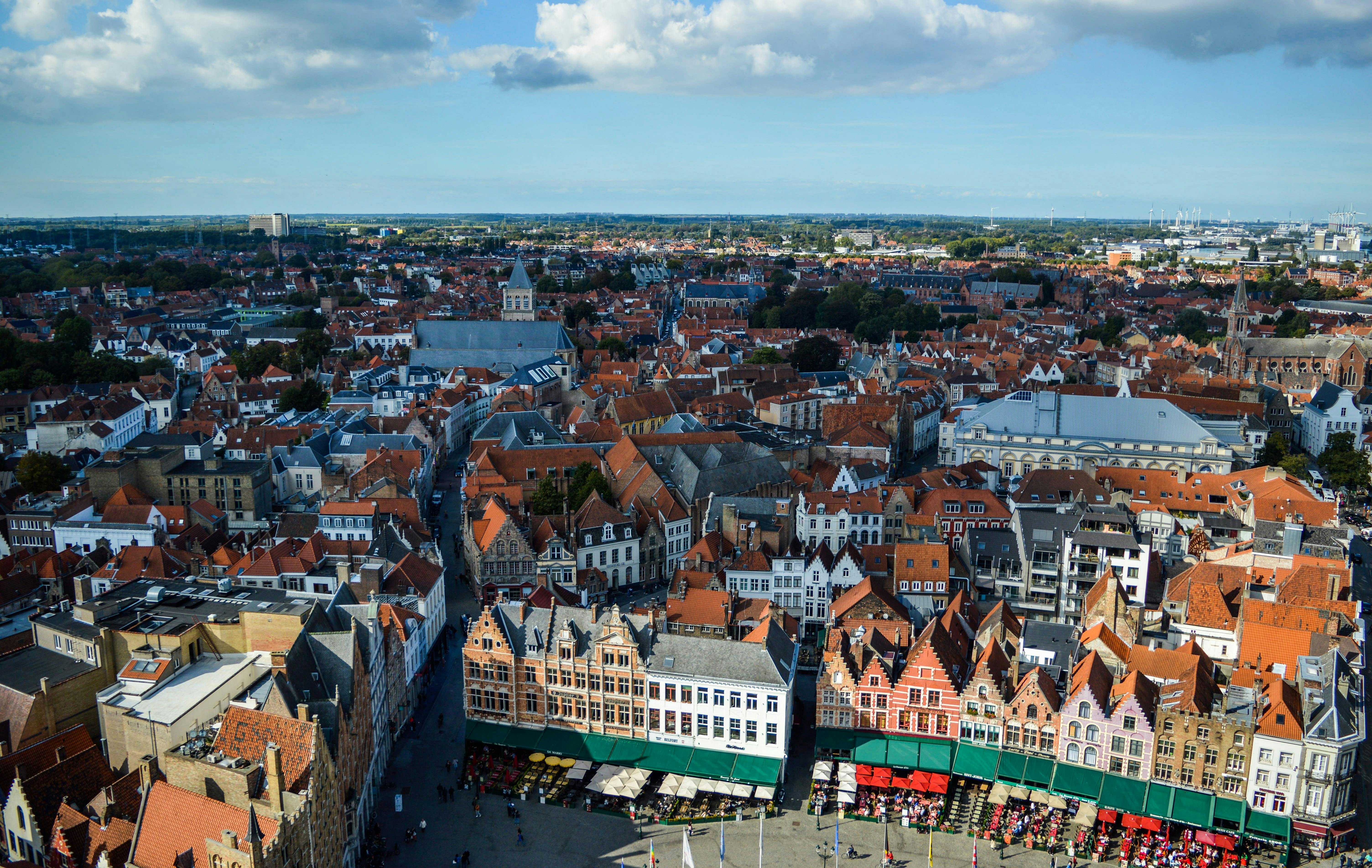
Located in the region of Wallonia, Belgium, Herstal is a charming town that offers a perfect blend of historical significance and modern amenities for tourists to explore. Herstal is best known for its rich industrial hi…

#Herstal#Wallonia#Belgium#Historic city#Industrial area
1/3

Top hotels & flights

Hand-picked stays and the best fares into Herstal.

Top Hotels in Herstal

Top Flights to Herstal

Location videos

Real reels from travelers, plus longer watches to get the full picture.

From travelers
Watch & explore

Practical info

The essentials for planning your time in Herstal.

Currency
€ | EUR | Euro
Population
The approximate estimated total population of Herstal, Wallonia, Belgium is around 39,000.
Languages
French, French, German, Walloon
Average weather
Herstal
Jan
cold
5°0°
Feb
cold
6°0°
Mar
cloud
10°2°
Apr
cloud
14°4°
May
rain
18°8°
Jun
sun
21°11°
Jul
sun
23°13°
Aug
sun
23°13°
Sep
cloud
19°10°
Oct
rain
14°7°
Nov
cloud
9°3°
Dec
cold
5°1°

Local guide

What travelers love, what to watch for, and a deeper read on Herstal.

What people love

Herstal, located in Wallonia, Belgium, offers several advantages for travelers:

  1. Historical significance: Herstal has a rich history dating back to the Roman times, making it a great destination for history buffs. The town has been an important industrial center and played a significant role in the region's development.

  2. Cultural attractions: Visitors to Herstal can explore its cultural heritage through museums, art galleries, and historic landmarks. The town hosts various events and festivals throughout the year, providing a glimpse into Belgian culture.

  3. Natural beauty: Surrounded by picturesque landscapes, Herstal offers opportunities for outdoor activities such as hiking, cycling, and exploring the nearby Ardennes region. Nature lovers will appreciate the scenic beauty of the area.

  4. Gastronomic delights: Belgium is famous for its culinary offerings, and Herstal is no exception. Visitors can enjoy delicious Belgian cuisine, including waffles, chocolates, and traditional dishes such as moules-frites (mussels and fries).

  5. Convenient location: Herstal is well-connected to major cities in Belgium, such as Liege and Brussels, making it a convenient base for exploring the region. The town is easily accessible by train, bus, and car.

Overall, traveling to Herstal offers a unique blend of history, culture, nature, and gastronomy, making it a rewarding destination for travelers.

What to know

Herstal, located in Wallonia, Belgium, does not have major tourist attractions or a lively tourist scene compared to some of the more popular cities in Belgium like Brussels or Bruges. As a result, travelers looking for bustling nightlife, extensive shopping opportunities, or a wide range of dining options may find Herstal to be a bit lacking in these aspects.

Additionally, Herstal may not be as easily accessible by public transportation as larger cities, making it potentially more challenging for tourists to navigate and explore the area without a car. The language barrier could also be a concern for some travelers, as French is the primary language spoken in Wallonia, and not all residents may be fluent in English.

Furthermore, Herstal may lack the typical tourist infrastructure such as accommodations, guided tours, and tourist services, which could make it more challenging for visitors to plan their trip and make the most of their time in the area.

Please note that these are general cons that travelers to Herstal may encounter, and individual experiences may vary.

Herstal is a town in the province of Liège, Wallonia, Belgium, with a rich history that dates back to ancient times. Here is a detailed history of Herstal, including significant events, historical figures, and important landmarks:

Early History

  • Roman Period: The area around Herstal was inhabited during the Roman period. The strategic location along the Meuse River was valuable for trade and transport.

Medieval Period

  • Carolingian Dynasty: Herstal is best known for its connection to the Carolingian dynasty. It was the birthplace of Charles Martel, the Frankish statesman and military leader who served as the de facto ruler of Francia from 718 until his death in 741. Charles Martel is famous for his victory at the Battle of Tours in 732, which halted the advance of Muslim armies into Western Europe.
  • Pepin of Herstal: Another significant figure associated with Herstal is Pepin of Herstal (c. 635–714), who was the Mayor of the Palace in the Frankish kingdom. He effectively ruled the territories of Austrasia, Neustria, and Burgundy.

Modern History

  • Industrial Era: During the 19th and early 20th centuries, Herstal developed into an industrial center, particularly known for its production of arms and ammunition. This industrial growth was tied to the broader industrialization of the Liège region.
  • Fabrique Nationale d'Herstal (FN Herstal): Founded in 1889, FN Herstal is one of the most notable companies from Herstal. It is a major manufacturer of firearms and has produced weapons such as the FN FAL rifle and the Browning Hi-Power pistol. FN Herstal has become a leading name in the defense industry worldwide.

Landmarks

  • Maison des Terrils: This is a site that provides educational tours about the region's mining history and the impact of the coal industry on the area.
  • Eglise Saint-Lambert: A church with historical significance in Herstal, reflecting the town's religious and architectural heritage.
  • Place Coronmeuse: A central square in Herstal, which serves as a hub for local activities and markets.

Recent Developments

  • Urban Renewal Projects: In recent years, Herstal has undergone urban renewal projects to revitalize the town center and improve infrastructure, aiming to enhance the quality of life for its residents.

Herstal's history is deeply intertwined with significant historical figures and its industrial legacy, making it a town of considerable historical and cultural importance in the Wallonia region of Belgium.