Helsingborg
· SE

Helsingborg

Helsingborg, Skane, Sweden

Helsingborg: Where History Meets Modernity on the Swedish Coast Nestled on the narrowest point of the Øresund strait, directly across from Denmark, lies Helsingborg, a vibrant city that seamlessly blends its rich history…

#Coastal city#Historic architecture#Cultural center#Scandinavian#Tourist destination
1/4

Top hotels & flights

Hand-picked stays and the best fares into Helsingborg.

Top Hotels in Helsingborg

Top Flights to Helsingborg

Location videos

Real reels from travelers, plus longer watches to get the full picture.

From travelers
Watch & explore

Practical info

The essentials for planning your time in Helsingborg.

Currency
kr | SEK | Swedish krona
Population
145,000
Languages
Swedish, English
Average weather
Helsingborg
Jan
snow
3°-1°
Feb
snow
3°-1°
Mar
cloud
6°0°
Apr
cloud
11°3°
May
sun
16°7°
Jun
sun
20°11°
Jul
sun
22°14°
Aug
sun
22°13°
Sep
cloud
17°10°
Oct
rain
12°6°
Nov
rain
7°2°
Dec
snow
4°0°

Local guide

What travelers love, what to watch for, and a deeper read on Helsingborg.

What people love

Helsingborg, located in the Skåne region of Sweden, offers a variety of attractions and activities for travelers to enjoy. Here are some of the pros of traveling to Helsingborg:

  1. Rich history and culture: Helsingborg is a city with a long history dating back to the medieval times. Visitors can explore historic sites such as the medieval fortress of Helsingborg Castle and the picturesque old town with its cobblestone streets and charming architecture.

  2. Scenic views: Helsingborg is situated on the coast of the Öresund strait, offering stunning views of the water and the Danish coastline across the water. Visitors can enjoy walks along the waterfront, relax on the beaches, or take a boat tour to admire the scenic surroundings.

  3. Vibrant food scene: Helsingborg is known for its diverse culinary scene, with a wide range of restaurants, cafes, and food markets offering both traditional Swedish dishes and international cuisine. Visitors can sample local specialties such as herring, smoked salmon, and Swedish meatballs, as well as explore the city's vibrant food markets.

  4. Outdoor activities: Helsingborg is surrounded by beautiful natural landscapes, including forests, parks, and gardens. Visitors can enjoy outdoor activities such as hiking, biking, and picnicking in the city's green spaces, or take a day trip to nearby nature reserves and national parks for more adventurous pursuits.

  5. Shopping and entertainment: Helsingborg has a lively shopping and entertainment scene, with a mix of modern malls, trendy boutiques, and traditional markets. Visitors can shop for unique souvenirs, catch a live performance at one of the city's theaters or music venues, or relax in one of the many cafes and bars.

Overall, traveling to Helsingborg offers a mix of history, culture, natural beauty, and modern amenities, making it a great destination for visitors looking to explore a diverse and vibrant city in Sweden.

What to know

Some potential cons of traveling to Helsingborg, Sweden could include:

  1. Weather: Helsingborg experiences cold, dark winters with temperatures often dropping below freezing. This may not be ideal for travelers who prefer warmer climates.

  2. Cost of Living: Sweden is known to be an expensive country to visit, with high prices for accommodation, dining out, and transportation. Travelers on a budget may find Helsingborg to be a costly destination.

  3. Language Barrier: While many Swedes speak English fluently, there may still be instances where communication could be a challenge, especially in more remote areas or with older individuals who may not be as proficient in English.

  4. Limited Public Transportation: While Helsingborg has a relatively good public transportation system, it may not be as extensive or convenient as in larger cities. Travelers who rely heavily on public transport may find it limiting.

  5. Seasonal Crowds: Helsingborg is a popular destination for tourists, especially during the summer months. This could lead to crowded attractions, long lines, and difficulty finding accommodation if not booked in advance.

Overall, Helsingborg is a charming city with much to offer, but these potential cons are worth considering when planning a trip to the area.

Helsingborg, located in Skåne County, Sweden, is a city with a rich and complex history, shaped by its strategic position at the narrowest part of the Öresund strait. Here's a detailed history of Helsingborg:

Early History

  • Prehistoric and Early Settlements: The area around Helsingborg has been inhabited since prehistoric times. Archaeological finds indicate that there were settlements here as early as the Stone Age.
  • Medieval Era: Helsingborg was officially recognized as a city in 1085. Due to its location, it became a significant military and trading center. The earliest known fortifications date back to the early 1100s.

Danish Rule and Conflicts

  • 12th to 17th Century: Helsingborg was part of the Kingdom of Denmark for several centuries. The city played a critical role in the medieval conflicts between Denmark and Sweden. It was the site of numerous battles and sieges.
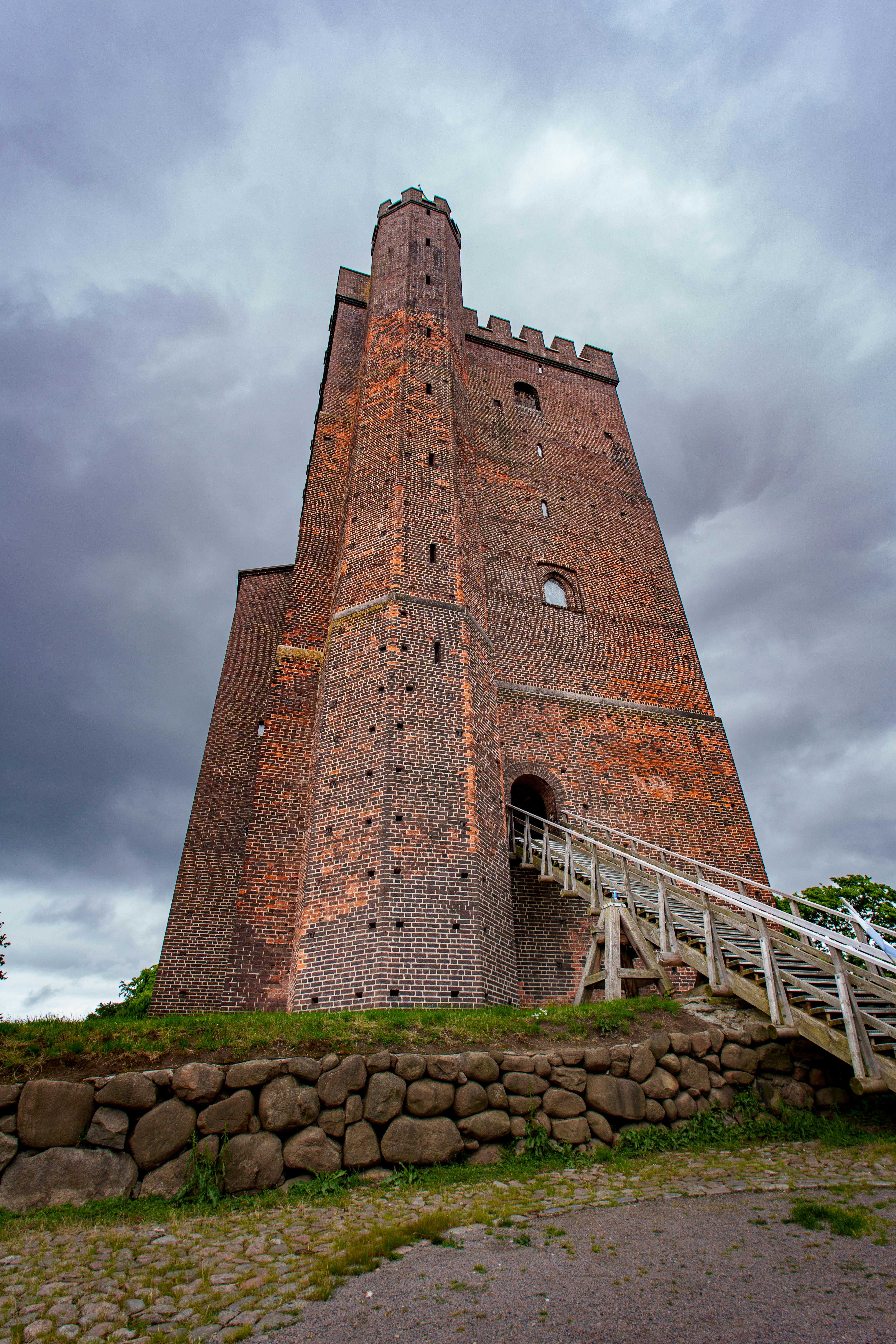
  • Helsingborg Castle: Built in the early 12th century, the castle (Kärnan) became a central fortification in the region. The tower of Kärnan is a remnant of this structure and is one of the city's most famous landmarks.

Transition to Swedish Control

  • Treaty of Roskilde (1658): As a result of this treaty, Skåne, including Helsingborg, was ceded from Denmark to Sweden. This marked a significant shift in the city's history.
  • Skåne Wars (1675-1679): Helsingborg was involved in the wars between Sweden and Denmark, with the city changing hands several times.

18th and 19th Century Development

  • Economic Growth: The 18th century saw Helsingborg develop as an important commercial and shipping center. Its port facilitated trade and economic expansion.
  • Industrialization: In the 19th century, Helsingborg underwent industrial growth, with industries such as textiles, manufacturing, and shipping becoming prominent.

20th Century and Modern Era

  • World War II: During the war, Helsingborg was a transit point for refugees, particularly Jews fleeing Nazi-occupied Denmark.
  • Post-War Growth: The city expanded rapidly in the post-war era, with increased urbanization and modernization.

Notable Historical Figures

  • Tycho Brahe (1546-1601): The famous astronomer, although primarily associated with the island of Ven nearby, had connections to the Helsingborg region.
  • Nils Poppe (1908-2000): A celebrated Swedish actor and comedian who contributed to the cultural life of Helsingborg.

Important Landmarks

  • Kärnan: The medieval tower is a symbol of Helsingborg and offers panoramic views of the city and the Öresund strait.
  • St. Mary's Church (Mariakyrkan): A Gothic-style church dating back to the 14th century, it is one of the city's oldest and most significant buildings.
  • Sofiero Palace: A former royal summer residence with beautiful gardens, located just north of the city.

Cultural and Economic Significance

  • Helsingborg remains an important cultural and economic hub in southern Sweden, with a vibrant arts scene and a thriving economy based on trade, services, and industry.
  • The city hosts various festivals and cultural events, drawing visitors from across the region.

Overall, Helsingborg's history is marked by its strategic location, which has made it a focal point for trade, warfare, and cultural exchange across the centuries.