
Hackney
· GB

Hackney

Hackney, Hackney, United Kingdom

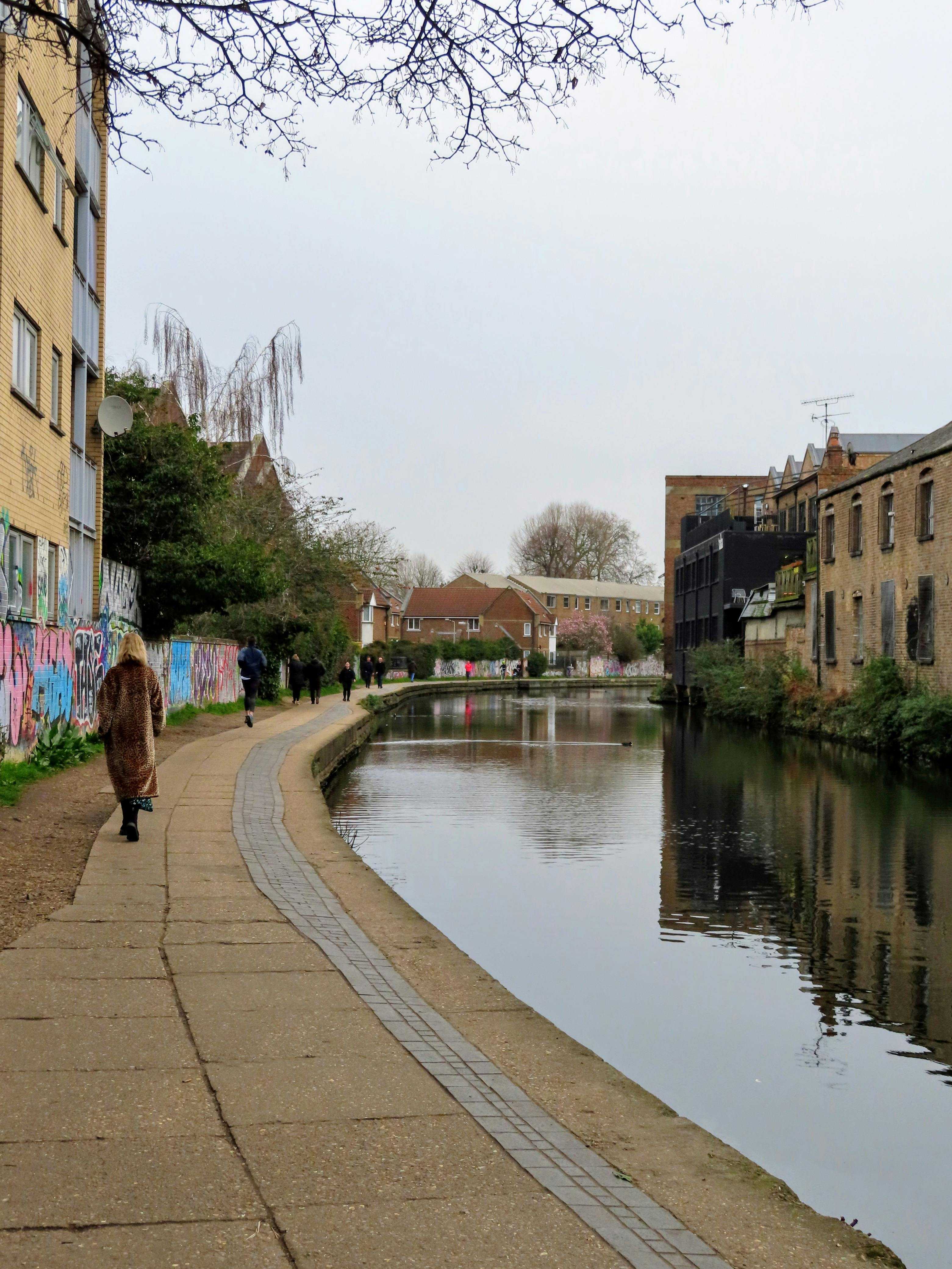
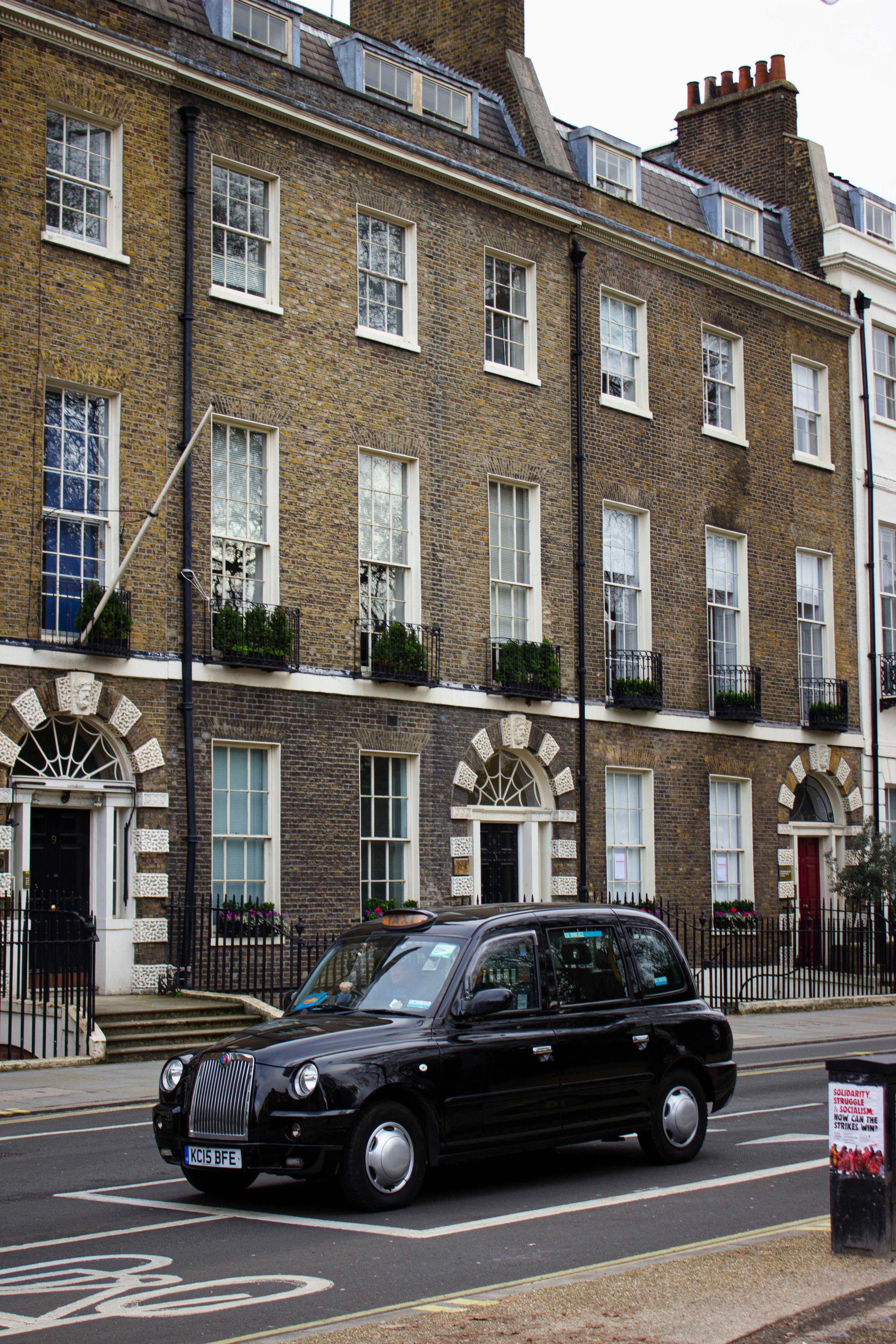
Hackney, located in the vibrant city of London, United Kingdom, is a dynamic and diverse district that offers a mix of culture, history, and modernity. As one of the trendiest neighborhoods in London, Hackney is a must-v…

#East London#Diverse#Trendy#Artistic#Hipster
1/4

Top hotels & flights

Hand-picked stays and the best fares into Hackney.

Top Hotels in Hackney

Top Flights to Hackney

Location videos

Real reels from travelers, plus longer watches to get the full picture.

From travelers

Practical info

The essentials for planning your time in Hackney.

Currency
£ | GBP | Pound Sterling
Population
The approximate estimated total population of Hackney, United Kingdom is '259,000'.
Languages
English, Bengali, Turkish, French
Average weather
Hackney
Jan
cold
7°2°
Feb
cold
8°2°
Mar
cloud
11°4°
Apr
cloud
14°6°
May
cloud
18°9°
Jun
sun
21°12°
Jul
sun
24°15°
Aug
sun
23°15°
Sep
cloud
20°12°
Oct
rain
15°9°
Nov
rain
11°5°
Dec
cold
8°3°

Local guide

What travelers love, what to watch for, and a deeper read on Hackney.

What people love

Pros of traveling to Hackney, United Kingdom:

  1. Vibrant Culture: Hackney is known for its diverse and vibrant culture. You can experience a mix of art, music, food, and fashion that reflects the area's multicultural community.

  2. Historic Sites: Hackney has a rich history with many historic sites to explore. You can visit places like Hackney Empire, Sutton House, and St. Augustine's Tower to learn about the area's past.

  3. Street Markets: Hackney is home to various street markets like Broadway Market and Ridley Road Market, where you can shop for unique items, try delicious street food, and immerse yourself in the local atmosphere.

  4. Green Spaces: Despite being in a bustling city, Hackney offers several green spaces such as London Fields and Hackney Marshes, where you can relax, have a picnic, or enjoy outdoor activities.

  5. Food and Drink Scene: Hackney has a thriving food and drink scene with numerous cafes, restaurants, and bars offering a wide range of cuisines and drinks to suit all tastes.

  6. Creative Community: Hackney is a hub for artists, designers, and creatives, with many galleries, studios, and creative spaces to explore. You can immerse yourself in the local art scene and discover unique works by emerging artists.

  7. Convenient Transportation: Hackney is well-connected to the rest of London via public transportation, making it easy to explore other parts of the city during your visit.

Overall, traveling to Hackney can offer you a unique and diverse experience with plenty of cultural, historical, and recreational attractions to enjoy.


I have provided detailed information on the pros of traveling to Hackney in the United Kingdom. Let me know if you need more specific details or have any other questions.

What to know

Hackney, located in the borough of Hackney in London, United Kingdom, is a vibrant and diverse area with a lot to offer visitors. However, like any destination, there are some potential drawbacks to traveling to Hackney. Here are some cons to consider:

  1. Higher Crime Rates: Hackney has been known for having higher crime rates compared to other areas in London. While the situation has improved in recent years, it's still important to be cautious and aware of your surroundings, especially at night.

  2. Gentrification: Hackney has undergone significant gentrification in recent years, leading to rising property prices and the displacement of some longtime residents. This can impact the character and affordability of the area.

  3. Noise and Crowds: Parts of Hackney, such as Shoreditch and Dalston, are popular nightlife destinations, so expect noise and crowds, particularly on weekends. If you prefer a quieter atmosphere, you may want to consider staying in a different neighborhood.

  4. Traffic Congestion: Like many parts of London, traffic congestion can be an issue in Hackney, especially during peak hours. Getting around by car or public transport may take longer than expected.

  5. Limited Green Spaces: While Hackney does have some lovely parks and green spaces, it may not offer as much access to nature compared to other areas of London. If you enjoy spending time outdoors, you may need to travel a bit further to find larger parks.

Overall, while Hackney has a lot to offer in terms of culture, dining, and entertainment, it's essential to be aware of these potential drawbacks when planning your trip. As with any travel destination, taking precautions and being mindful of your surroundings can help ensure a safe and enjoyable visit.

Hackney, located in East London, United Kingdom, is an area with a rich and diverse history. Here's a detailed overview:

Early History and Development

  • Roman and Saxon Periods: The area now known as Hackney was originally part of the Roman settlement system, and later, a Saxon settlement. The name "Hackney" is believed to derive from the Saxon term "Haca's ey," meaning Haca's Island, suggesting it was once an area of dry land surrounded by marshes.

  • Middle Ages: During the medieval period, Hackney was a rural village. It was recorded in the Domesday Book of 1086 as "Hacchedene." The area remained relatively rural, with agriculture being the primary activity.

16th and 17th Centuries

  • Tudor Era: By the Tudor period, Hackney had become a popular location for aristocratic estates due to its proximity to the City of London. Notable figures such as Thomas Sutton, founder of Charterhouse School, had estates in the area.

  • Church of St John at Hackney: The original parish church dates back to the medieval period, with a significant rebuilding taking place in the late 18th century. It is one of Hackney's key historical landmarks.

18th and 19th Centuries

  • Industrialization and Urbanization: The 18th century saw the beginning of urbanization in Hackney. With the advent of the Industrial Revolution, the area began to develop rapidly, attracting workers and industries.

  • Transport Developments: The introduction of the railway in the 19th century further accelerated development and connected Hackney more directly to central London.

  • Cultural and Social Changes: The 19th century also saw the establishment of several notable institutions, including schools and hospitals. Hackney became a diverse area with a growing working-class population.

20th Century

  • World War II: Hackney, like much of London, suffered damage during the Blitz. The post-war period involved significant reconstruction efforts.

  • Cultural Diversity: After the war, Hackney became one of the most ethnically diverse areas in London, with waves of immigration from the Caribbean, Africa, and Asia contributing to its multicultural character.

Notable Figures

  • Joseph Priestley: The theologian and chemist, who is credited with the discovery of oxygen, lived in Hackney during the late 18th century.

  • Harold Pinter: The Nobel Prize-winning playwright and actor was born in Hackney in 1930.

Modern Developments

  • Regeneration Projects: In recent years, Hackney has undergone significant gentrification, leading to the redevelopment of many areas. It has become known for its vibrant arts scene, trendy markets, and tech startups.

  • Olympics 2012: The London 2012 Olympics brought further investment to the area, particularly with the development of the nearby Olympic Park in Stratford.

Important Landmarks

  • Hackney Empire: A renowned theatre that opened in 1901, known for its music hall performances and later as a center for the arts.

  • Victoria Park: While technically in the neighboring Tower Hamlets, it is a significant recreational area for Hackney residents.

  • Broadway Market: A bustling market that exemplifies the area's mix of tradition and modernity.

Hackney today is celebrated for its creativity, cultural diversity, and historical richness, making it a vibrant part of Greater London.