
Guigang
· CN

Guigang

Guigang, Guangxi, China

Discover Guigang: Where History Flows into Lush Landscapes Nestled on the banks of the Xun River, Guigang, China, is a hidden gem waiting to be explored. This vibrant city, steeped in history and brimming with natural be…

#Guangxi#China#City#Southern China#Cultural Heritage
1/4

Top hotels & flights

Hand-picked stays and the best fares into Guigang.

Top Hotels in Guigang

Top Flights to Guigang

Location videos

Real reels from travelers, plus longer watches to get the full picture.

From travelers

Practical info

The essentials for planning your time in Guigang.

Currency
¥ | CNY | Chinese Yuan
Population
5.4 million
Languages
Chinese, Cantonese, Zhuang
Average weather
Guigang
Jan
cloud
15°8°
Feb
cloud
17°10°
Mar
rain
20°13°
Apr
rain
25°18°
May
rain
29°22°
Jun
rain
31°25°
Jul
hot
33°26°
Aug
hot
33°26°
Sep
rain
31°24°
Oct
cloud
27°20°
Nov
cloud
22°15°
Dec
cloud
17°10°

Local guide

What travelers love, what to watch for, and a deeper read on Guigang.

What people love

Traveling to Guigang, located in Guangxi, China, offers several attractions and benefits for visitors. Here are some of the pros of visiting Guigang:

  1. Natural Beauty: Guigang is situated in a region known for its picturesque landscapes. The area features lush greenery, rolling hills, and scenic rivers, making it ideal for nature lovers and outdoor enthusiasts.

  2. Cultural Experience: As part of Guangxi, Guigang is home to a mix of ethnic groups, including the Zhuang minority. Visitors can experience the rich cultural heritage, traditional festivals, and unique local customs.

  3. Local Cuisine: Guangxi is known for its delicious and diverse cuisine. Visitors to Guigang can enjoy local specialties that often feature fresh ingredients and bold flavors. The area is especially known for its rice noodles and seafood dishes.

  4. Historical Sites: Guigang has several historical sites and attractions that reflect its long history. Exploring these sites can provide insight into the local history and culture.

  5. Less Touristy: Compared to more well-known tourist destinations in China, Guigang offers a more laid-back and authentic experience. It's an opportunity to explore a city that isn't overrun by tourists, allowing for more personal interactions with locals.

  6. Accessibility: Guigang is relatively well-connected by road and rail, making it accessible to travelers exploring the Guangxi region.

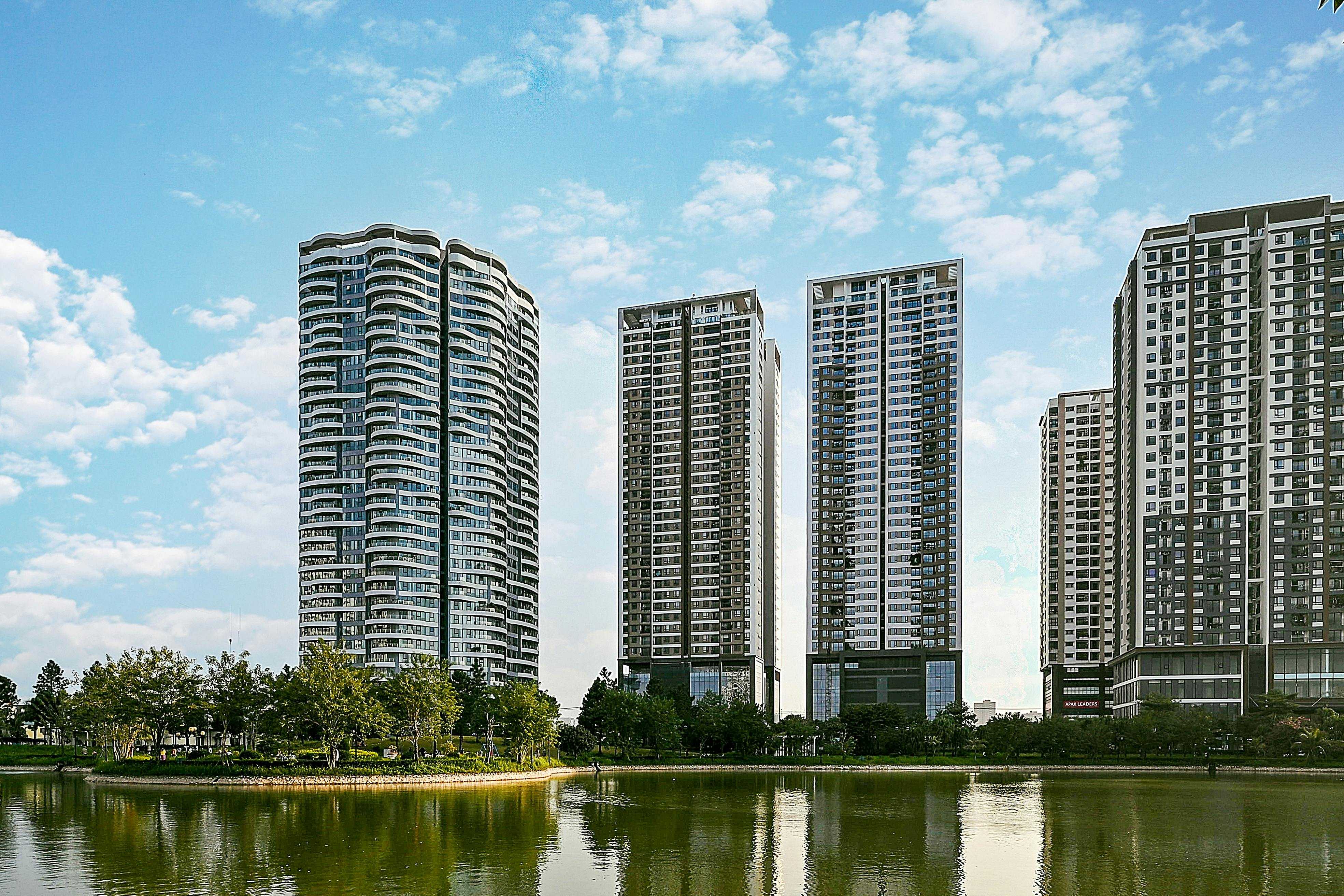
  7. Economic Development: As a growing city, Guigang has seen significant economic development, leading to improved infrastructure and amenities for visitors.

These features make Guigang an appealing destination for those interested in exploring a less-traveled part of China with rich cultural and natural attractions.

What to know

Information not available.

Guigang, located in the Guangxi Zhuang Autonomous Region of China, has a history that is intertwined with the broader historical developments of Guangxi and southern China. Here is an overview of its historical context:

  1. Early History and Development: Guigang, like much of the Guangxi region, was originally inhabited by various indigenous groups, including the Zhuang people, who are still a significant ethnic group in the area today. The region was incorporated into Chinese dynastic states during the Qin dynasty (221-206 BCE) when efforts were made to expand Chinese influence into the south.

  2. Tang and Song Dynasties: During the Tang (618-907) and Song (960-1279) dynasties, the area that is now Guigang would have experienced increased integration into the Chinese imperial system, with the establishment of administrative structures and the development of agriculture and trade.

  3. Ming and Qing Dynasties: In the Ming (1368-1644) and Qing (1644-1912) dynasties, Guigang continued to develop as part of the broader efforts to control and integrate the southern frontier areas. The city likely saw the construction of more permanent settlements and infrastructure.

  4. Modern Era: In the late 19th and early 20th centuries, Guangxi became a site of significant unrest and conflict, including involvement in the Taiping Rebellion (1850-1864), which impacted much of southern China. In the Republican period (1912-1949), Guangxi was a base for various warlords before eventually coming under the control of the Nationalist government and later the Communists.

  5. Post-1949 Developments: After the establishment of the People's Republic of China in 1949, Guigang, like much of Guangxi, underwent significant social and economic changes. The area has been developing industrially and agriculturally, with Guigang becoming known for its sugar and other agricultural products.

Significant Figures: While Guigang itself may not be associated with specific historical figures of national prominence, it is part of the broader historical tapestry of Guangxi, which has produced notable figures in Chinese history, particularly in the context of regional governance and military leadership.

Landmarks:

  • Xi Mountain: A notable natural landmark known for its scenic beauty.
  • Longtan National Forest Park: A large area of natural beauty that attracts visitors.
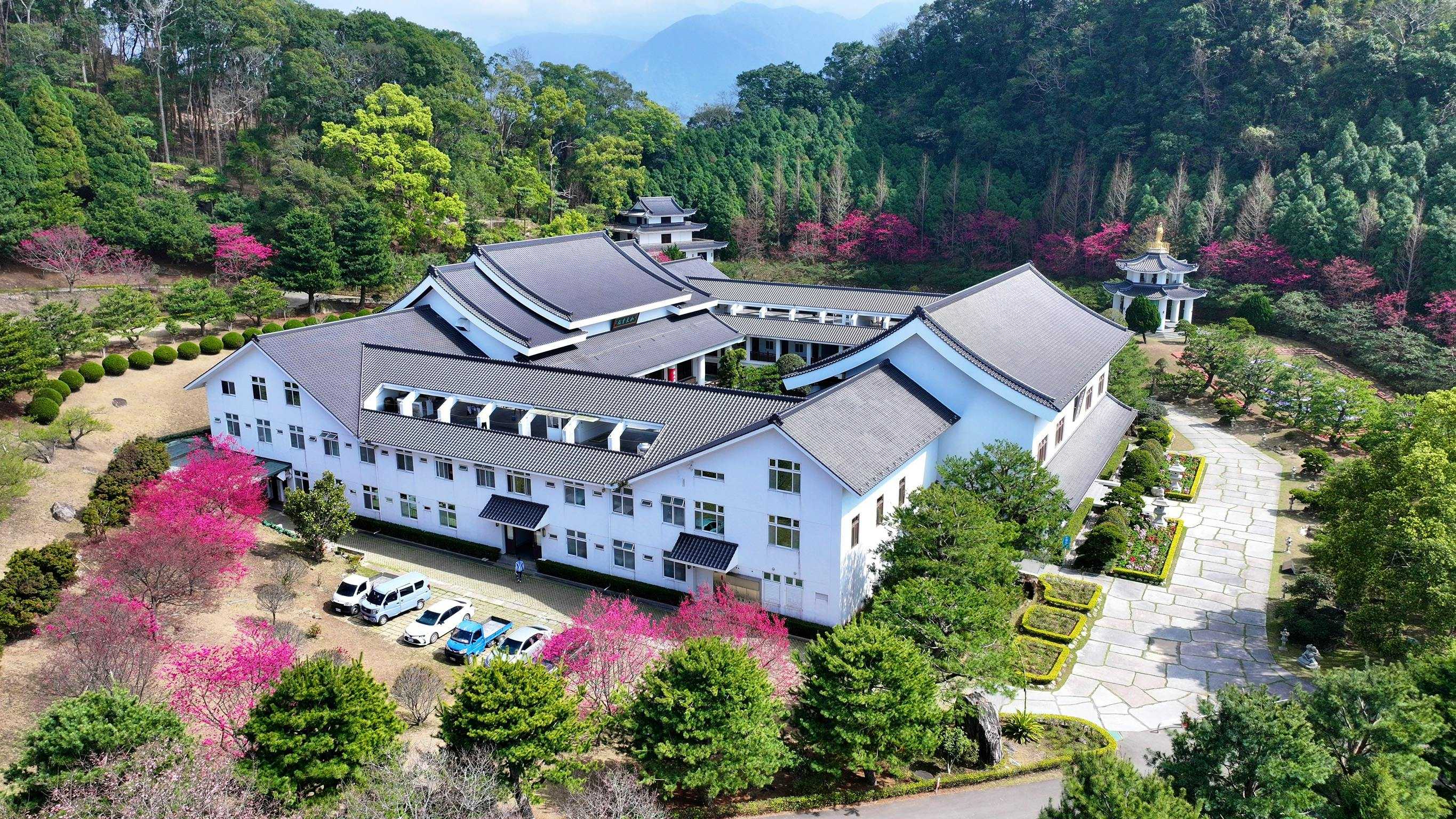
  • Guiping Xishan Scenic Area: Known for its cultural and natural attractions, including historic temples and beautiful landscapes.

Overall, Guigang's history is closely linked to the broader historical and cultural developments of the Guangxi region, reflecting its role as a part of China's southern frontier with a diverse ethnic composition and a rich cultural heritage.