
Guasca
· CO

Guasca

Guasca, Cundinamarca, Colombia

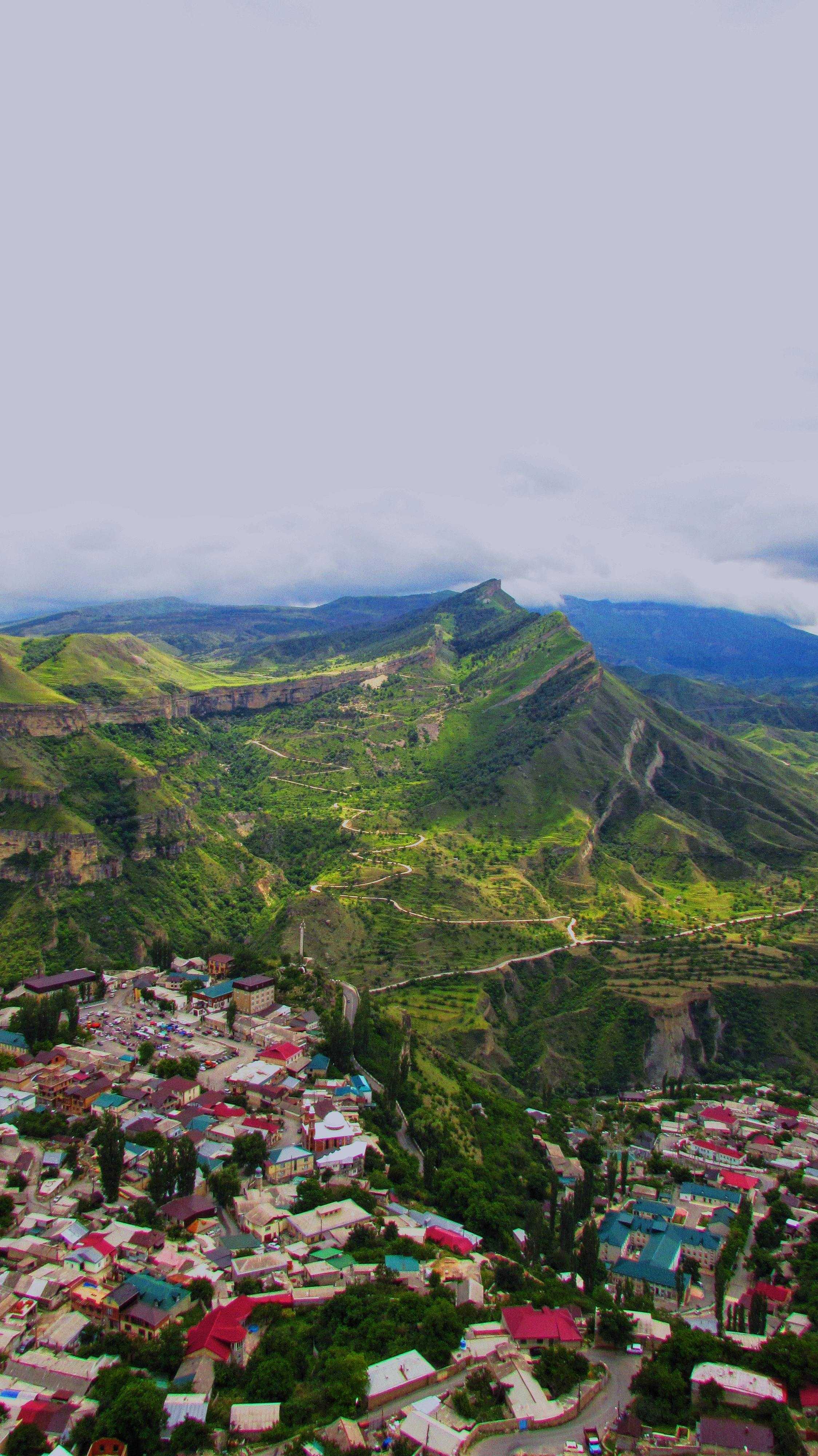
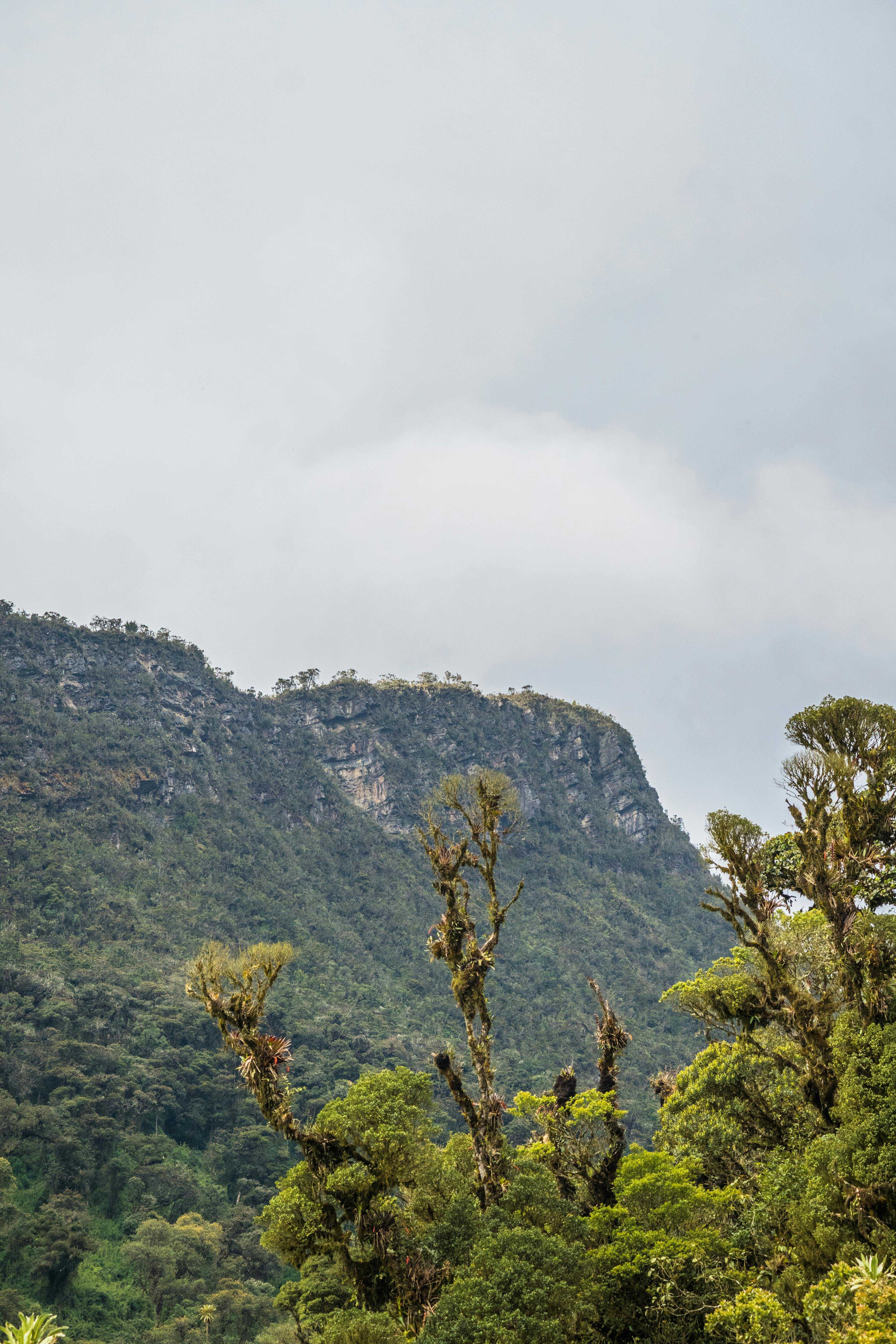
Nestled in the picturesque region of Cundinamarca, Colombia, Guasca is a hidden gem waiting to be discovered by travelers seeking a tranquil escape surrounded by natural beauty. This charming town, located just a short d…

#Mountains#Nature#Colombia#Cundinamarca#Outdoor activities
1/3

Top hotels & flights

Hand-picked stays and the best fares into Guasca.

Top Hotels in Guasca

Top Flights to Guasca

Location videos

Real reels from travelers, plus longer watches to get the full picture.

From travelers

Practical info

The essentials for planning your time in Guasca.

Currency
$ | COP | Colombian Peso
Population
Not Available
Languages
Spanish, Spanish
Average weather
Guasca
Jan
rain
18°7°
Feb
rain
18°7°
Mar
rain
18°8°
Apr
rain
18°8°
May
rain
18°8°
Jun
cloud
18°7°
Jul
cloud
18°7°
Aug
cloud
18°7°
Sep
rain
18°7°
Oct
rain
18°8°
Nov
rain
18°8°
Dec
rain
18°7°

Local guide

What travelers love, what to watch for, and a deeper read on Guasca.

What people love

Guasca, located in Cundinamarca, Colombia, offers a unique and enriching travel experience. Some of the pros of traveling to Guasca include:

  1. Natural Beauty: Guasca is surrounded by stunning natural landscapes, including mountains, forests, and rivers. Visitors can enjoy hiking, birdwatching, and exploring the area's biodiversity.

  2. Ecotourism Opportunities: Guasca is known for its ecotourism activities, such as horseback riding, camping, and visiting natural reserves. The town is a great destination for nature lovers and outdoor enthusiasts.

  3. Thermal Springs: Guasca is home to thermal springs, where visitors can relax and unwind in the natural hot springs. These springs are believed to have healing properties and provide a unique and rejuvenating experience.

  4. Cultural Heritage: Guasca has a rich cultural heritage, with colonial architecture, traditional festivals, and local crafts. Visitors can explore the town's history and immerse themselves in the local culture.

  5. Gastronomy: Guasca offers a variety of traditional Colombian dishes, including local specialties such as ajiaco (a hearty soup), tamales, and empanadas. Foodies will enjoy trying the authentic flavors of the region.

Overall, traveling to Guasca provides an opportunity to connect with nature, experience Colombian culture, and relax in a tranquil setting.

What to know

Traveling to Guasca, located in Cundinamarca, Colombia, may have some drawbacks including:

  1. Limited transportation options: Guasca is a small town and may have limited transportation options, making it challenging to travel to and from the area.

  2. Limited amenities: Being a small town, Guasca may have limited amenities such as restaurants, shops, and accommodations compared to larger cities, which could impact the overall comfort of your stay.

  3. Language barrier: If you are not fluent in Spanish, you may encounter difficulties communicating with locals in Guasca as English may not be widely spoken in the area.

  4. Altitude sickness: Guasca is located at a high altitude, which may pose a risk of altitude sickness for some visitors. It is recommended to acclimatize gradually and stay hydrated to prevent altitude-related health issues.

  5. Weather fluctuations: Due to its high altitude, Guasca may experience sudden weather changes, including rainfall and cooler temperatures, so it is advisable to pack accordingly.

  6. Limited tourist attractions: Guasca is a rural town and may have limited tourist attractions compared to popular tourist destinations in Colombia, so visitors looking for a bustling city experience may find the town lacking in entertainment options.

Overall, while Guasca offers a peaceful and scenic retreat for those seeking a quieter and more rural experience, it may not be suitable for travelers looking for a more bustling and cosmopolitan destination.

Guasca is a municipality in the department of Cundinamarca, Colombia. It is located in the central region of the country, within the Eastern Ranges of the Colombian Andes. The town is known for its beautiful landscapes, rich history, and cultural heritage.

Historical Background:

  1. Pre-Columbian Era: Guasca was originally inhabited by the Muisca people, one of the four advanced indigenous civilizations in the Americas before the arrival of Europeans. The Muisca were known for their elaborate goldwork and complex social structure. They were organized in a confederation of tribes, and Guasca was part of this network.

  2. Spanish Conquest: The Spanish arrived in the region in the early 16th century. Gonzalo Jiménez de Quesada led the expedition that resulted in the conquest of the Muisca. The Spanish founded the modern town of Guasca in 1600. The introduction of Spanish colonial structures, Christianity, and new agricultural practices significantly changed the local way of life.

  3. Colonial Period: During the colonial period, Guasca developed as a small agricultural community. The fertile land allowed for farming activities, which became the backbone of its economy. The town maintained its indigenous roots while integrating aspects of Spanish culture.

  4. 19th Century and Independence: Colombia gained independence from Spain in the early 19th century. Guasca, like many other towns in the region, experienced the effects of the Wars of Independence. The post-independence period saw a gradual development of infrastructure and local governance.

  5. 20th Century to Present: The 20th century brought modernization to Guasca, with improvements in transportation, education, and healthcare. The town maintained its agricultural economy while also developing tourism, owing to its natural beauty and proximity to Bogotá, the capital city of Colombia.

Significant Events and Figures:

  • Indigenous Heritage: The legacy of the Muisca civilization is a significant aspect of Guasca's history. The town and its surroundings have archaeological sites that reflect this heritage.

  • Colonial Architecture: The establishment of colonial-era buildings, including the main church and old houses, marks the Spanish influence on Guasca.

  • Modern Developments: In recent decades, efforts have been made to preserve Guasca's cultural and natural heritage while promoting sustainable tourism.

Important Landmarks:

  1. Parque Natural Chingaza: This national park is located near Guasca and is known for its biodiversity, including rare species such as the spectacled bear. It is an important ecological and tourist site.

  2. Laguna de Guatavita: Although not within Guasca itself, this nearby lagoon is significant historically, as it is linked to the legend of El Dorado and the Muisca rituals.

  3. Colonial Church of Guasca: The town's church is a key landmark, showcasing colonial architecture and serving as a cultural and religious center for the community.

  4. Local Festivals: Guasca hosts various cultural festivals and events, celebrating its history, traditions, and agricultural produce.

Guasca remains a place where history and nature converge, offering a glimpse into Colombia's rich past and vibrant present.