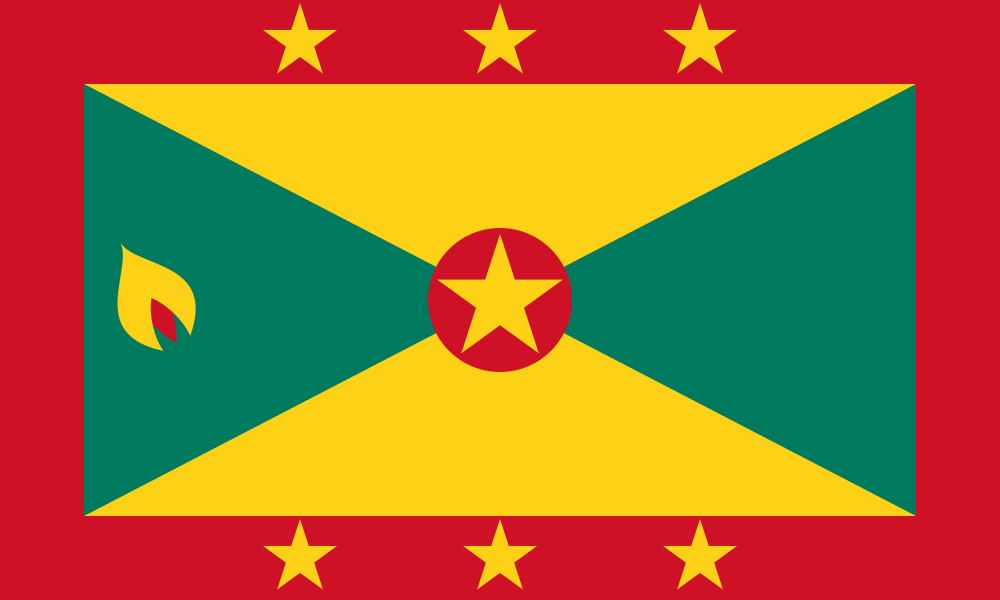
Grenada
· GD

Grenada

Grenada

Grenada, known as the "Spice Isle," is a captivating Caribbean destination that offers visitors a perfect blend of natural beauty, rich history, and vibrant culture. Located in the Eastern Caribbean, Grenada is a small i…

#Caribbean#Island#Tropical#Beaches#Spice Island
1/3

Top hotels & flights

Hand-picked stays and the best fares into Grenada.

Top Hotels in Saint George's

Top Flights to Saint George's

Popular activities

Tours, tickets and experiences travelers book most in Grenada.

Tours

Grand Anse Beach

A stunning two-mile stretch of white sandy beach with crystal clear waters, ideal for sunbathing and swimming.

Belmont Estate

A historic plantation offering tours of its organic farm, cocoa processing facilities, and museum.

Shopping

St. George's Market Square

A vibrant market where locals sell fresh produce, spices, and handmade crafts.

Outdoor

Underwater Sculpture Park

An underwater gallery featuring sculptures designed to promote coral growth and marine diversity.

Location videos

Real reels from travelers, plus longer watches to get the full picture.

From travelers
Watch & explore

Practical info

The essentials for planning your time in Grenada.

Currency
$ | XCD | Eastern Caribbean Dollar Grenada
Population
The approximate estimated total population of Grenada is '0.1 million'.
Languages
English, Grenadian Creole English, Grenadian Creole French
Average weather
Grenada
Jan
sun
29°24°
Feb
sun
29°24°
Mar
sun
30°24°
Apr
sun
30°25°
May
sun
31°26°
Jun
rain
31°26°
Jul
rain
31°26°
Aug
rain
31°26°
Sep
rain
31°25°
Oct
rain
31°25°
Nov
rain
30°25°
Dec
sun
30°24°

Local guide

What travelers love, what to watch for, and a deeper read on Grenada.

What people love

Grenada, located in the Caribbean, offers a unique travel experience with several pros for visitors:

  1. Beautiful Beaches: Grenada is renowned for its stunning white sandy beaches and crystal-clear waters, perfect for sunbathing, swimming, and water sports like snorkeling and diving.

  2. Lush Rainforests: The island is also home to lush rainforests with hiking trails, waterfalls, and exotic flora and fauna, making it ideal for nature lovers and outdoor enthusiasts.

  3. Rich Culture: Grenada has a rich cultural heritage influenced by African, French, and British traditions. Visitors can explore historic sites, museums, and local markets to immerse themselves in the island's vibrant culture.

  4. Warm Hospitality: Grenadians are known for their warm hospitality and friendly demeanor, making visitors feel welcome and at home during their stay.

  5. Spice Island: Grenada is often referred to as the "Spice Island" due to its production of nutmeg, cloves, cinnamon, and other spices. Visitors can visit spice plantations and learn about the island's spice industry.

  6. Food and Cuisine: Grenada offers a diverse culinary scene with a mix of Creole, Caribbean, and international cuisine. Visitors can enjoy fresh seafood, local dishes, and tropical fruits during their stay.

  7. Water Activities: Grenada is a paradise for water sports enthusiasts, offering opportunities for sailing, fishing, kayaking, and paddleboarding in its pristine waters.

  8. Safety: Grenada is considered a safe destination for travelers, with low crime rates and friendly locals who are willing to assist visitors.

Overall, Grenada is a beautiful and welcoming destination with a lot to offer in terms of natural beauty, culture, and activities, making it a great choice for travelers looking for a Caribbean getaway.

What to know

Some potential cons of traveling to Grenada may include:

  1. Limited public transportation: Grenada's public transportation system is not as developed as in other countries, which can make it challenging for travelers to get around the island.

  2. Limited nightlife: While there are some bars and restaurants in popular tourist areas, Grenada is not known for its vibrant nightlife scene. This may be a drawback for travelers looking for a lively party atmosphere.

  3. Limited shopping options: Grenada may not offer as many shopping opportunities compared to other tourist destinations. Visitors looking for a wide range of shopping options may find the selection in Grenada to be limited.

  4. High cost of living: Grenada can be relatively expensive for travelers, especially when it comes to accommodation, dining, and activities. Budget travelers may find it challenging to stick to their budget while visiting the island.

  5. Limited healthcare facilities: While Grenada has healthcare facilities available, they may not be as advanced or easily accessible as in other countries. Travelers with specific medical needs should be aware of the limitations of the healthcare system in Grenada.

Overall, Grenada is a beautiful destination with much to offer, but travelers should be aware of these potential drawbacks when planning their trip.

Grenada, located in the Caribbean Sea, is an island nation known for its rich history, cultural diversity, and vibrant landscapes. Below is a detailed history of Grenada, highlighting significant events, historical figures, and important landmarks.

Pre-Colonial and Early Colonial Period

  • Pre-Colonial Era: The island was originally inhabited by the indigenous Arawak-speaking peoples, and later the Caribs, who called the island Camerhogne.
  • 1498: Christopher Columbus sighted Grenada during his third voyage to the Americas. However, European settlement did not begin immediately due to resistance from the Caribs.

French and British Colonization

  • 1650: The first successful European settlement was established by French colonists from Martinique. They named the island La Grenade.
  • 1674: Grenada officially became a French colony. The French developed sugar plantations, which were worked by enslaved Africans.
  • 1762: During the Seven Years' War, the British captured Grenada.
  • 1763: The Treaty of Paris was signed, and Grenada was ceded to the British.
  • 1779: French forces briefly retook the island during the American Revolutionary War.
  • 1783: The Treaty of Versailles restored Grenada to British control.

19th and Early 20th Century

  • 1834: Slavery was abolished in Grenada, as in other British colonies, leading to socio-economic changes.
  • 1885: Grenada became the capital of the British Windward Islands, a status it held until 1958.

Towards Independence

  • 1958-1962: Grenada was part of the Federation of the West Indies, a short-lived political union.
  • 1967: Grenada achieved the status of an Associated State, gaining control over its internal affairs.
  • 1974: Grenada gained full independence from the United Kingdom on February 7th, with Sir Eric Gairy as its first Prime Minister.

Turbulence and Revolution

  • 1979: The New Jewel Movement, led by Maurice Bishop, overthrew the Gairy government in a coup, establishing a socialist government.
  • 1983: Bishop was executed after a factional power struggle. This led to a U.S.-led military intervention, known as Operation Urgent Fury, which restored order and led to the establishment of a new government.

Modern Era

  • 1984: Democratic elections were held, and the country began to stabilize and develop economically.
  • 2004: Hurricane Ivan devastated Grenada, causing significant damage and economic setbacks. The island showed resilience and has since rebuilt.

Historical Figures

  • Sir Eric Gairy: The first Prime Minister of Grenada and a significant figure in its path to independence.
  • Maurice Bishop: Leader of the New Jewel Movement and a central figure in the 1979 revolution.

Important Landmarks

  • Fort George: A historic fort in the capital, St. George's, offering panoramic views of the city and harbor.
  • Grenada National Museum: Located in St. George's, it showcases the island's history from the pre-Columbian era to the present.
  • Grand Etang National Park: A significant natural landmark featuring a crater lake and lush rainforest.
  • Annandale Falls: A popular natural attraction, offering scenic beauty and a glimpse of Grenada's tropical flora.

Grenada's history is marked by its colonial past, quest for self-governance, and resilience in the face of natural disasters and political upheaval. The island's rich cultural heritage and natural beauty continue to make it a unique destination in the Caribbean.