
Gornji Grad
· SI

Gornji Grad

Gornji Grad, Gornji Grad, Slovenia

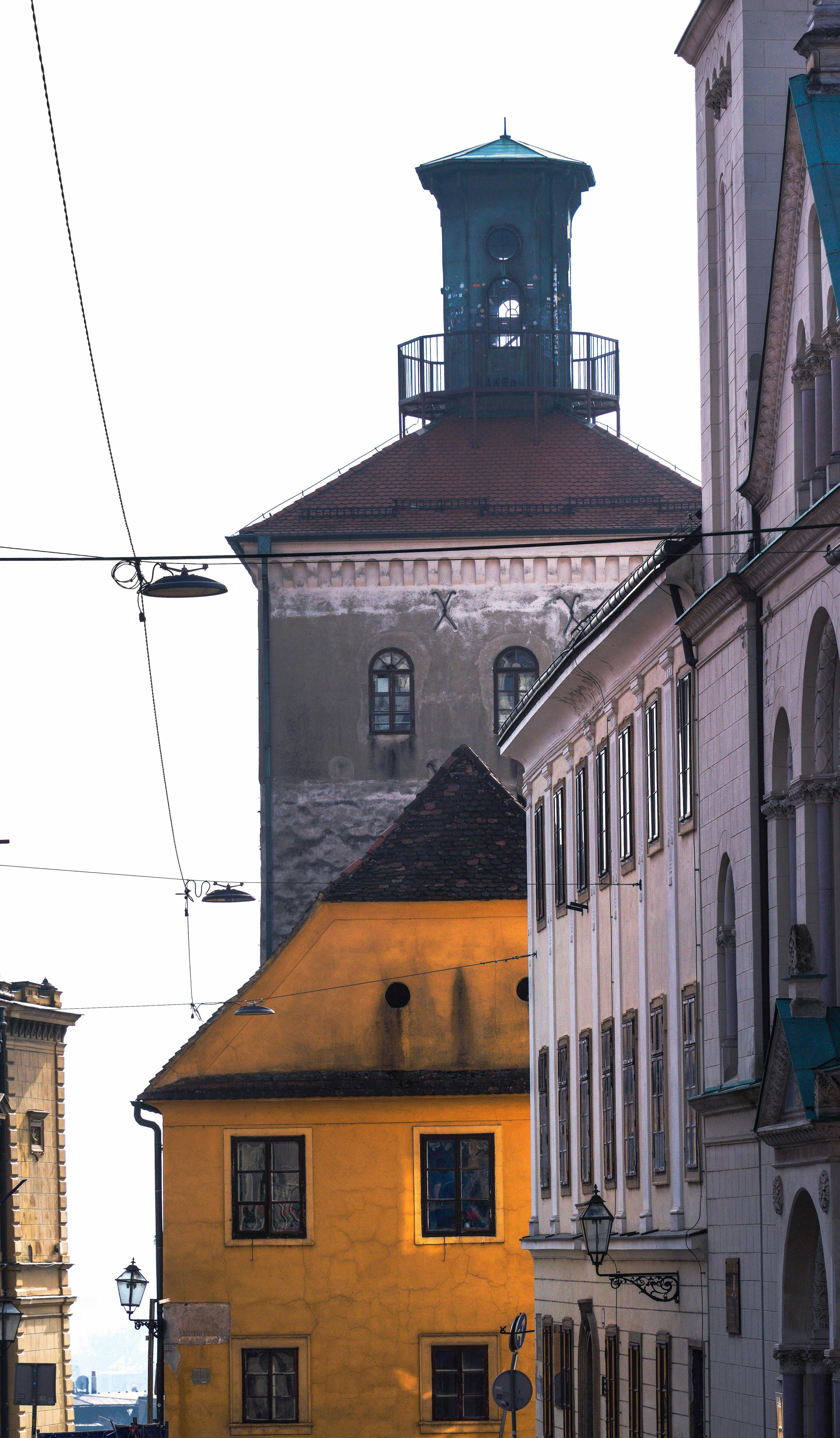
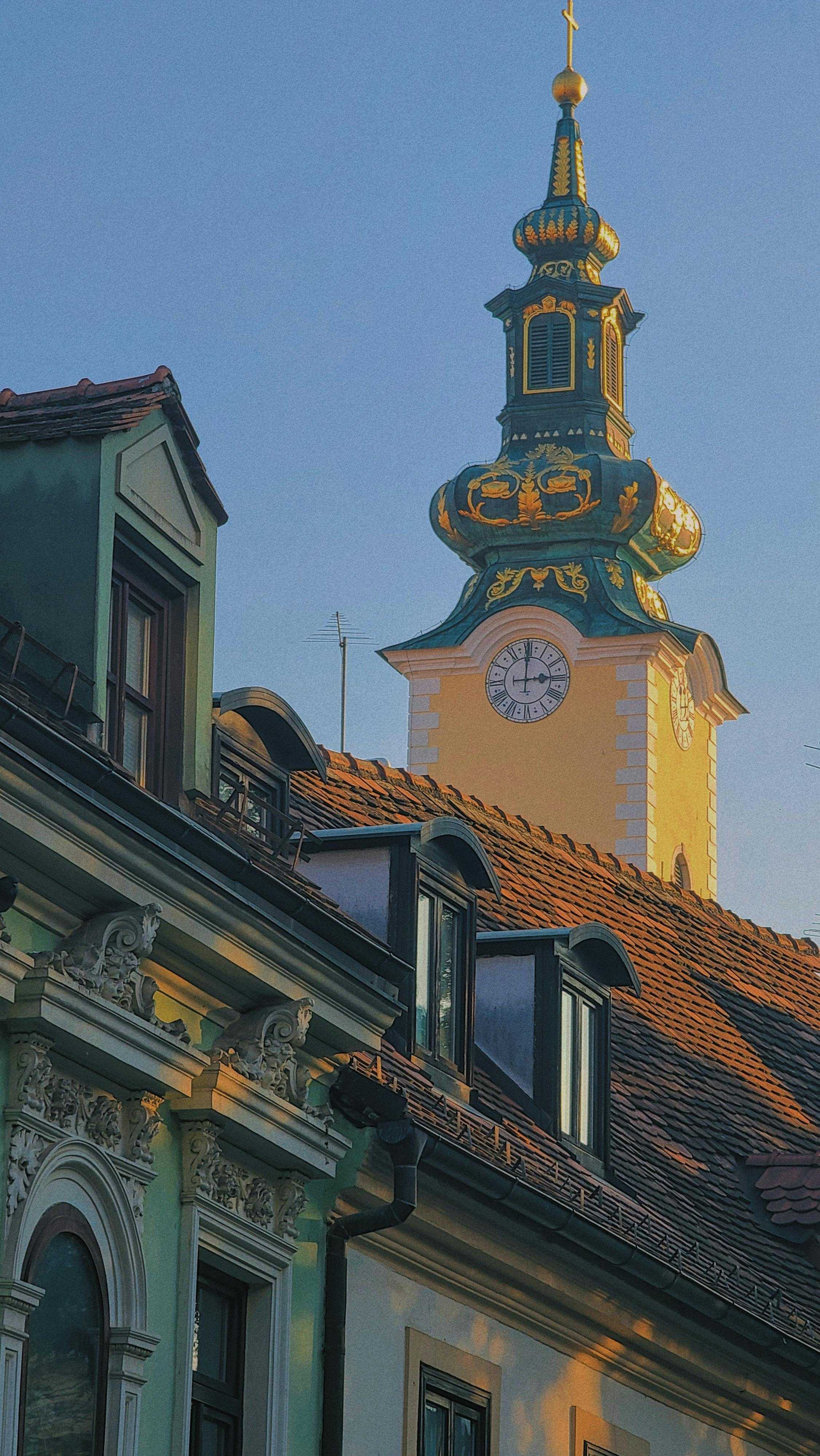
Gornji Grad, located in the picturesque country of Slovenia, is a charming and historic town nestled in the heart of the Kamnik-Savinja Alps. This hidden gem offers visitors a perfect blend of natural beauty, cultural he…

#historic#medieval#architecture#Slovenia#tourist destination
1/3

Top hotels & flights

Hand-picked stays and the best fares into Gornji Grad.

Top Hotels in Gornji Grad

Top Flights to Gornji Grad

Location videos

Real reels from travelers, plus longer watches to get the full picture.

From travelers
Watch & explore

Practical info

The essentials for planning your time in Gornji Grad.

Currency
€ | EUR | Euro
Population
Not Available
Languages
Croatian, Croatian
Average weather
Gornji Grad
Jan
snow
3°-4°
Feb
snow
5°-3°
Mar
cloud
10°0°
Apr
rain
15°4°
May
rain
20°9°
Jun
sun
24°13°
Jul
hot
27°15°
Aug
hot
27°15°
Sep
sun
21°11°
Oct
cloud
15°6°
Nov
rain
8°2°
Dec
snow
4°-2°

Local guide

What travelers love, what to watch for, and a deeper read on Gornji Grad.

What people love

Gornji Grad is a small town located in Slovenia and is known for its picturesque surroundings and rich history. Traveling to Gornji Grad can offer several benefits, including:

  1. Historical Sites: Gornji Grad is home to several historical landmarks, including the Gornji Grad Castle, which dates back to the 12th century. Visitors can explore the castle grounds and learn about the town's medieval past.

  2. Scenic Beauty: The town is situated in a beautiful natural setting, surrounded by forests, rivers, and mountains. Travelers can enjoy hiking, biking, and nature walks in the pristine countryside.

  3. Cultural Experience: Gornji Grad hosts various cultural events and festivals throughout the year, providing visitors with an opportunity to immerse themselves in the local traditions and customs.

  4. Authentic Cuisine: The town offers a variety of restaurants and cafes serving traditional Slovenian dishes, allowing travelers to sample the delicious local cuisine.

  5. Peaceful Atmosphere: Gornji Grad is a tranquil destination away from the hustle and bustle of larger cities, making it an ideal place to unwind and relax.

Overall, traveling to Gornji Grad can provide a unique and enriching experience for those seeking to explore a charming town with a rich history and stunning natural beauty.

What to know

Information not available.

Gornji Grad, located in the municipality of the same name in Slovenia, has a rich history that reflects the broader historical developments of the region. It is nestled in the Upper Savinja Valley and is known for its picturesque natural surroundings and historical architecture.

Historical Background:

  1. Early Settlement:

    • The area around Gornji Grad has been inhabited since prehistoric times, given its advantageous position in the fertile valley of the Savinja River. However, detailed records from these early periods are sparse.
  2. Medieval Period:

    • Gornji Grad was first mentioned in historical documents in the 12th century. The town’s development was closely tied to the Benedictine monastery established there. The monastery played a significant role in the spread of Christianity and the cultural development of the region.
    • In the 15th century, Gornji Grad became increasingly important as a religious and cultural center.
  3. 16th to 18th Century:

    • The town was part of the Habsburg Monarchy, and during this period, it experienced various political and social changes. The Reformation and Counter-Reformation movements affected the area, with the Catholic Church maintaining significant influence.
    • Gornji Grad was often affected by the Turkish raids that plagued the region during these centuries.
  4. 19th Century:

    • The 19th century saw the decline of ecclesiastical power, but the town remained an important local center.
    • Gornji Grad was affected by the broader national movements that swept through the Austro-Hungarian Empire, as Slovene national consciousness began to rise.
  5. 20th Century:

    • After World War I, Gornji Grad became part of the newly formed Kingdom of Serbs, Croats, and Slovenes, later known as Yugoslavia.
    • World War II brought occupation and conflict to Slovenia, and Gornji Grad was not spared from the turmoil. After the war, it became part of Socialist Yugoslavia.
    • Following Slovenia's independence in 1991, Gornji Grad became part of the sovereign Republic of Slovenia.

Significant Figures:

  • The town's history does not highlight specific historical figures as prominently as larger cities might, but the abbots and monks of the monastery historically wielded significant local influence.

Notable Landmarks:

  1. Gornji Grad Cathedral (Saint Hermagoras and Fortunatus Cathedral):

    • This significant Baroque cathedral is one of the largest in Slovenia and a prominent landmark. It was originally built as part of the Benedictine monastery and later became a cathedral.
  2. Benedictine Monastery:

    • Although the monastery itself no longer functions in its original capacity, its historical buildings remain a testament to its past importance.
  3. Natural Landscapes:

    • The surrounding landscapes, including the nearby Savinja River and the lush hills, are part of Gornji Grad’s charm and attract visitors interested in nature and hiking.

Overall, Gornji Grad’s history is intertwined with the religious and cultural developments of the region, reflecting the broader historical currents of Slovenia.