

Geseke
· DE

Geseke

Geseke, North Rhine-Westphalia, Germany

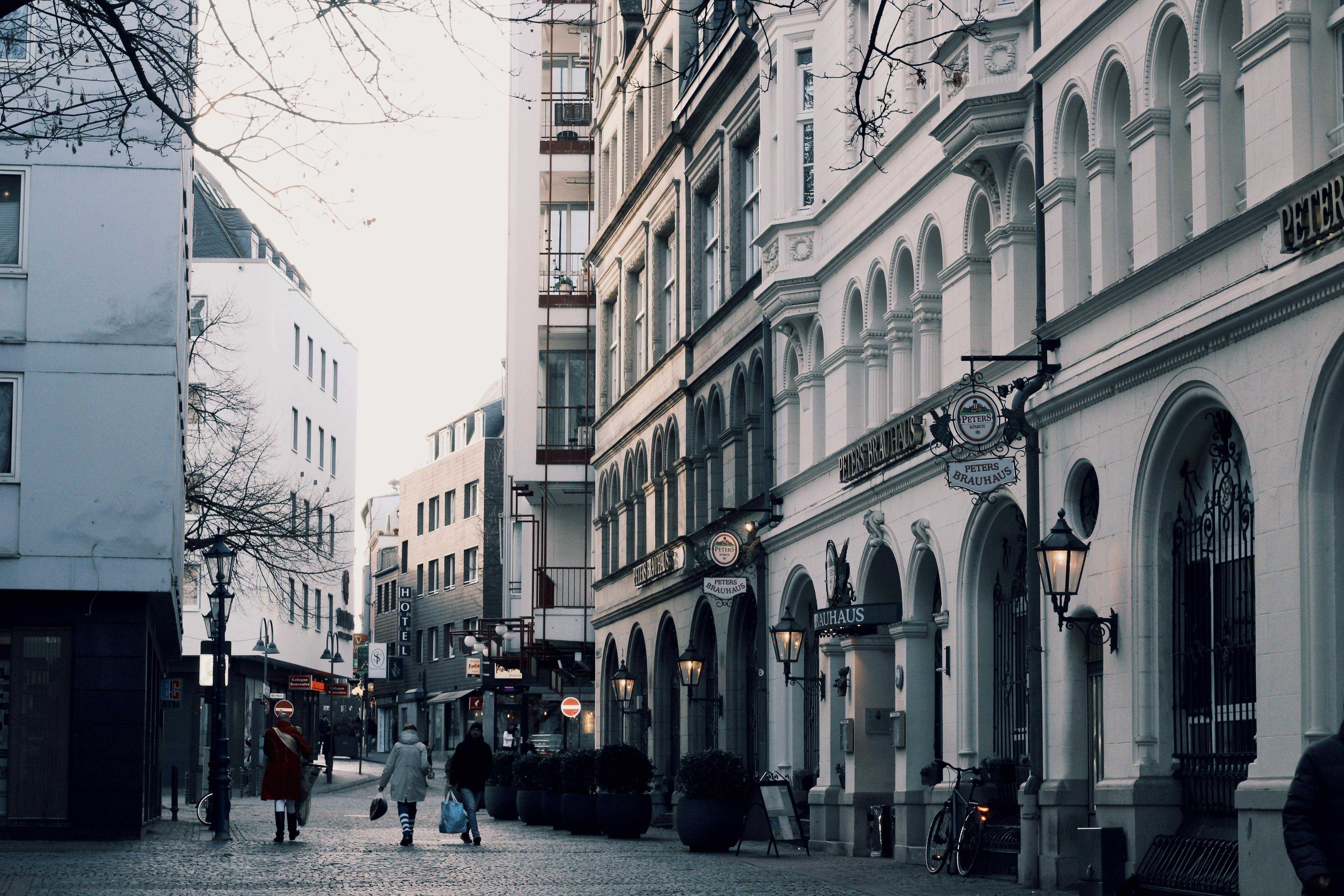
Nestled in the heart of North Rhine-Westphalia, Germany, Geseke is a charming town that offers a delightful blend of history, culture, and natural beauty. Stepping into Geseke is like stepping back in time, as the town's…

#Geseke#North Rhine-Westphalia#Germany#historic town#cultural heritage
1/4

Top hotels & flights

Hand-picked stays and the best fares into Geseke.

Top Hotels in Geseke

Top Flights to Geseke

Location videos

Real reels from travelers, plus longer watches to get the full picture.

From travelers

Practical info

The essentials for planning your time in Geseke.

Currency
€ | EUR | Euro
Population
The approximate estimated total population of Geseke, North Rhine-Westphalia, Germany is '21,000'.
Languages
German, German
Average weather
Geseke
Jan
snow
3°-1°
Feb
cloud
4°0°
Mar
rain
8°1°
Apr
cloud
13°4°
May
rain
17°8°
Jun
sun
20°11°
Jul
sun
22°13°
Aug
sun
22°13°
Sep
cloud
18°10°
Oct
rain
13°7°
Nov
cloud
7°2°
Dec
snow
4°0°

Local guide

What travelers love, what to watch for, and a deeper read on Geseke.

What people love

Geseke is a charming town located in North Rhine-Westphalia, Germany. Here are some pros of traveling to Geseke:

  1. Rich history: Geseke has a long history dating back to medieval times, and visitors can explore historic sites such as the Church of St. Peter, the Old Town Hall, and the Geseke Castle.

  2. Beautiful architecture: The town is known for its well-preserved half-timbered houses and picturesque streets, making it a great destination for architecture enthusiasts and photographers.

  3. Peaceful atmosphere: Geseke offers a tranquil and peaceful environment, perfect for those looking to escape the hustle and bustle of city life and relax in a serene setting.

  4. Cultural events: The town hosts various cultural events throughout the year, including festivals, concerts, and markets, providing visitors with the opportunity to experience local traditions and customs.

  5. Nature and outdoor activities: Geseke is surrounded by beautiful countryside, offering plenty of opportunities for hiking, cycling, and exploring the natural beauty of the region.

Overall, traveling to Geseke can be a rewarding experience for those interested in history, architecture, culture, and nature.

Enjoy your trip to Geseke!

What to know

Geseke is a charming town located in North Rhine-Westphalia, Germany, known for its historic buildings, beautiful churches, and picturesque surroundings. While there are many positive aspects to traveling to Geseke, there are also some cons to consider:

  1. Limited Public Transportation: Geseke is a smaller town and may have limited public transportation options compared to larger cities. This could make it challenging to get around the area without a car.

  2. Limited Tourist Attractions: While Geseke has its own unique charm, it may not have as many tourist attractions or activities as larger cities in Germany. Visitors looking for a bustling nightlife or a wide variety of entertainment options may find Geseke lacking in this regard.

  3. Language Barrier: While many Germans speak English, there may be some language barriers in smaller towns like Geseke. It's always helpful to have some basic knowledge of German phrases to navigate daily interactions.

  4. Seasonal Considerations: Like many destinations, the experience of visiting Geseke may vary depending on the season. Weather conditions, availability of outdoor activities, and local events can impact your overall experience.

Overall, while Geseke offers a unique and authentic German experience, visitors should be aware of these potential cons to ensure a smooth and enjoyable trip.

Information not available.

Geseke is a town located in the district of Soest, in North Rhine-Westphalia, Germany. It has a rich history that dates back to ancient times, with significant events and notable landmarks that have shaped its development.

Ancient and Medieval History

  • Early Settlement: The area where Geseke is located has been inhabited since prehistoric times, as evidenced by archaeological finds. However, documented history begins much later.

  • Foundation and Development: Geseke was first mentioned in a document in 833 AD. It developed as a settlement during the Frankish period. The name "Geseke" likely originates from a term meaning "settlement by the water," reflecting its geographical location.

  • Middle Ages: In the Middle Ages, Geseke was an important town, partly due to its strategic location along trade routes. It became part of the Hanseatic League, a powerful economic and defensive alliance of merchant guilds and market towns in Northwestern and Central Europe.

  • Religious Significance: Geseke had religious importance due to its church, which was a center of Christian activity in the region. The town was known for its religious institutions, including monasteries and churches.

Renaissance and Early Modern Period

  • 16th and 17th Centuries: During the Reformation and the Thirty Years War, Geseke experienced religious and political turmoil. The town was involved in the conflicts between Protestant and Catholic forces.

  • Economic Activity: Throughout these centuries, Geseke's economy was based on agriculture, trade, and local crafts. The town's markets were a focal point for commerce in the region.

Modern History

  • 19th Century: With the industrialization of Germany, Geseke saw some economic changes. The development of infrastructure, such as roads and railways, connected it more closely with larger urban centers.

  • 20th Century: Geseke, like much of Germany, was affected by the two World Wars. The town underwent reconstruction and development in the post-war period, contributing to its modern growth.

Notable Landmarks

  • St. Peter's Church (St. Petrikirche): This historic church is a prominent landmark in Geseke, reflecting its medieval heritage.

  • Stiftskirche St. Cyriakus: Another important religious site, known for its architecture and historical significance.

  • Old Town: The historic center of Geseke features traditional buildings and offers insights into the town's architectural evolution over centuries.

Significant Figures

  • Historical Figures: While specific historical figures from Geseke might not be widely known on an international scale, local leaders and clergy have played essential roles in its development over the centuries.

Overall, Geseke is a town with a deep historical foundation, marked by its involvement in regional trade, religious significance, and adaptation through various historical epochs. Its landmarks and historical sites continue to reflect its rich past.

For more detailed or specific historical information, local archives or historical societies in Geseke or the Soest district would be valuable resources.