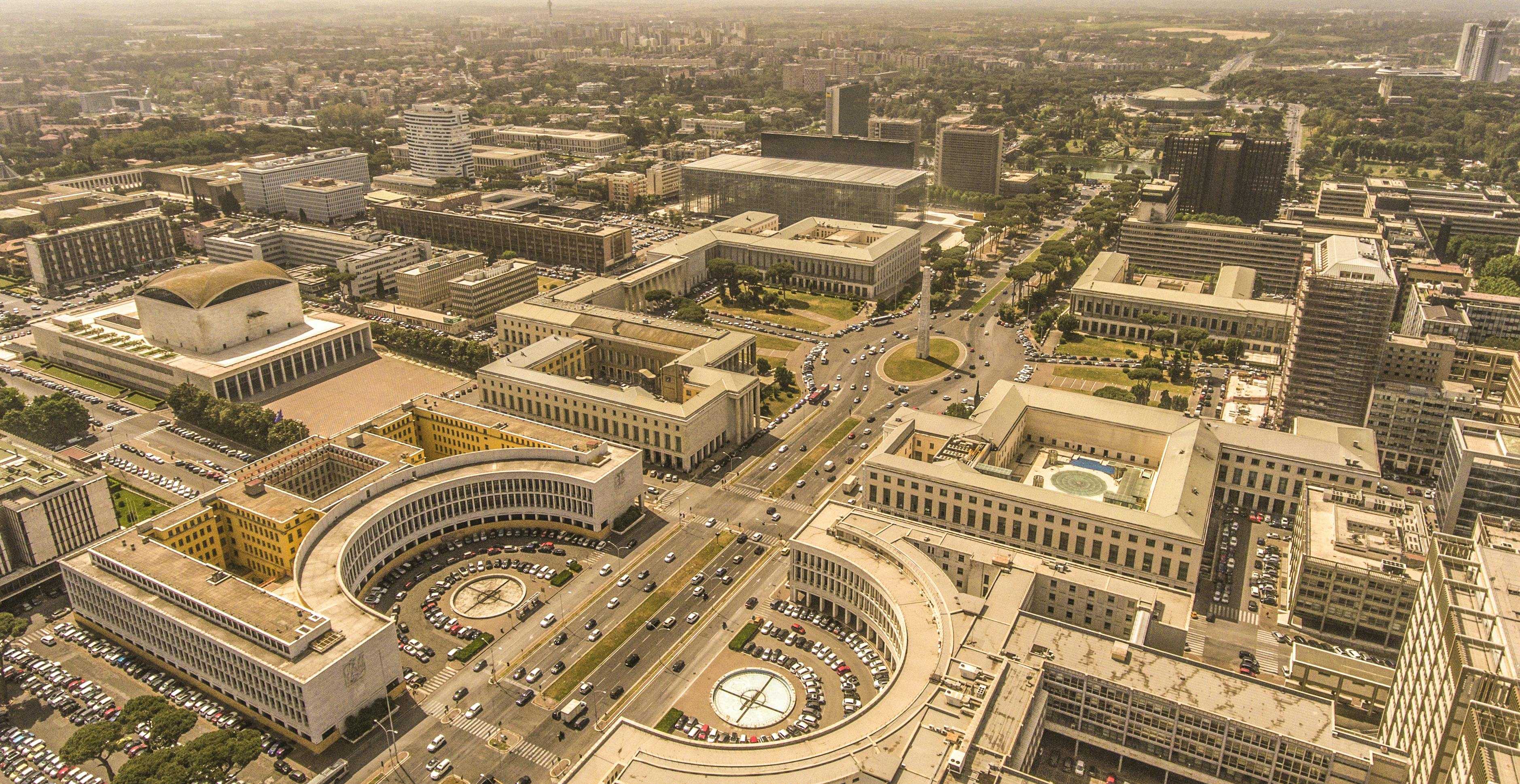

Garwolin
· PL

Garwolin

Garwolin, Mazowieckie, Poland

Garwolin, a charming town located in the Mazowieckie region of Poland, is a hidden gem waiting to be explored by curious travelers. Steeped in history and surrounded by picturesque landscapes, Garwolin offers visitors a …

#Garwolin#Mazowieckie#Poland#rural#historic
1/3

Top hotels & flights

Hand-picked stays and the best fares into Garwolin.

Top Hotels in Garwolin

Top Flights to Garwolin

Location videos

Real reels from travelers, plus longer watches to get the full picture.

From travelers

Practical info

The essentials for planning your time in Garwolin.

Currency
zł | PLN | Polish Złoty
Population
17279.0
Languages
Polish, Polish
Average weather
Garwolin
Jan
snow
-1°-6°
Feb
snow
0°-5°
Mar
cloud
5°-2°
Apr
rain
12°3°
May
cloud
18°8°
Jun
sun
22°12°
Jul
sun
24°14°
Aug
sun
23°13°
Sep
cloud
18°10°
Oct
rain
12°5°
Nov
cloud
5°0°
Dec
snow
0°-4°

Local guide

What travelers love, what to watch for, and a deeper read on Garwolin.

What people love

Garwolin, located in the Mazowieckie region of Poland, offers a variety of attractions and experiences for travelers. Some of the pros of traveling to Garwolin include:

  1. Rich history: Garwolin has a long and fascinating history, with various historical sites and landmarks to explore. Visitors can learn about the town's past through its architecture, museums, and cultural events.

  2. Natural beauty: The Mazowieckie region is known for its picturesque landscapes, including lush forests, rolling hills, and charming countryside. Travelers can enjoy outdoor activities such as hiking, biking, and nature walks.

  3. Authentic Polish culture: Garwolin provides an opportunity to immerse yourself in traditional Polish culture and customs. Visitors can sample delicious local cuisine, attend folk festivals, and interact with friendly locals.

  4. Peaceful atmosphere: Garwolin offers a tranquil setting away from the hustle and bustle of larger cities. Travelers seeking a peaceful retreat will appreciate the town's relaxed pace and serene surroundings.

  5. Convenient location: Garwolin is well-connected to other major cities in Poland, making it a convenient base for exploring the surrounding area. Day trips to Warsaw, Lublin, and other nearby destinations are easily accessible.

Overall, traveling to Garwolin can provide a unique and enriching experience for those looking to discover the charm of rural Poland.

What to know

Information not available.

Garwolin is a town located in the Mazowieckie Voivodeship in east-central Poland. Its history is rich and intertwined with the broader historical currents of Poland.

Early History:

  • The first mention of Garwolin dates back to the 14th century. It received its town rights in 1423, granted by Duke Janusz I of Warsaw. This was a period of dynamic growth as the town became a local trade center.

Medieval to Early Modern Period:

  • During the medieval period, Garwolin was part of the Duchy of Mazovia before it was incorporated into the Kingdom of Poland in 1526.
  • Throughout the 16th and 17th centuries, Garwolin was affected by various wars, including the Swedish invasions known as The Deluge (1655-1660), which devastated many parts of Poland, including Garwolin.

19th Century:

  • In the 19th century, Garwolin was under Russian control due to the partitions of Poland. The town was part of the Congress Kingdom of Poland, which was a puppet state under Russian influence.
  • The November Uprising (1830-1831) and the January Uprising (1863-1864) against Russian rule saw participation from the local populace, though such movements were ultimately suppressed.

20th Century:

  • During World War I, Garwolin was occupied by German forces, and after the war, it became part of the newly re-established Polish state.
  • World War II brought significant hardship to Garwolin. The town was occupied by Nazi Germany, during which the Jewish population was subjected to persecution and eventual deportation to extermination camps. The town was liberated by Soviet forces in 1944.
  • Post-war, Garwolin was part of the People’s Republic of Poland, under a communist government until the fall of communism in 1989.

Notable Historical Figures: While Garwolin as a town does not have widely recognized historical figures on an international scale, it has been home to many individuals who contributed to local culture and history.

Important Landmarks:

  • Church of the Assumption of the Blessed Virgin Mary: This historic church is a central landmark in Garwolin, reflecting the town's long-standing Catholic heritage.
  • Garwolin Museum of Local Lore: This museum offers insights into the local history and culture, displaying artifacts and exhibitions related to Garwolin’s past.

Modern Day:

  • Today, Garwolin is a vibrant town known for its community spirit and cultural events. It has modernized significantly while retaining its historical charm.

Conclusion: Garwolin's history is emblematic of the broader historical processes that have shaped Poland, from medieval times through to the modern era. The town has witnessed significant events and transformations, reflecting both regional and national histories.

This summary provides an overview of Garwolin’s historical narrative, though specific details about certain periods may be less documented in accessible historical records.