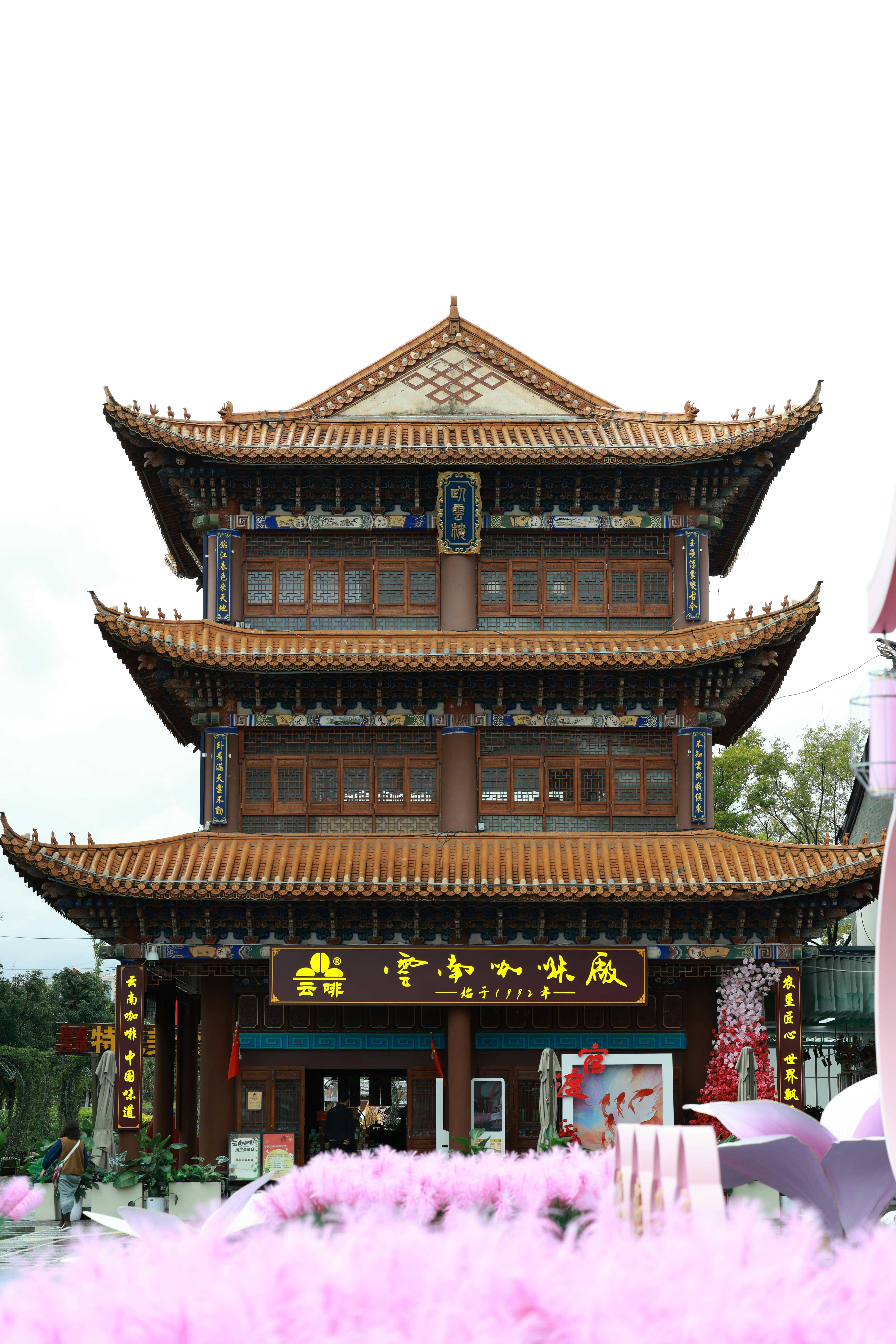

Gaobeidian
· CN

Gaobeidian

Gaobeidian, Hebei, China

Discover the Hidden Gem of Gaobeidian, China Escape the bustling metropolises and uncover the charm of Gaobeidian, a vibrant city nestled in the heart of Hebei province, China. Steeped in history and brimming with modern…

#Gaobeidian#Hebei#China#historic city#cultural heritage
1/7

Top hotels & flights

Hand-picked stays and the best fares into Gaobeidian.

Top Hotels in Gaobeidian

Top Flights to Gaobeidian

Location videos

Real reels from travelers, plus longer watches to get the full picture.

From travelers

Practical info

The essentials for planning your time in Gaobeidian.

Currency
¥ | CNY | Chinese Yuan
Population
Information not available.
Languages
Chinese, Chinese
Average weather
Gaobeidian
Jan
cold
3°-7°
Feb
cold
6°-4°
Mar
clear
12°1°
Apr
sun
20°8°
May
sun
26°14°
Jun
hot
30°20°
Jul
rain
31°23°
Aug
rain
30°22°
Sep
cloud
26°16°
Oct
clear
19°9°
Nov
cloud
10°1°
Dec
cold
4°-5°

Local guide

What travelers love, what to watch for, and a deeper read on Gaobeidian.

What people love

Gaobeidian is a city in Hebei Province, China, located approximately 80 kilometers southwest of Beijing. While it may not be as famous as some other tourist destinations in China, there are several potential advantages and points of interest for travelers considering a visit:

  1. Proximity to Beijing: Gaobeidian's location close to Beijing makes it an accessible destination for those looking to explore the areas surrounding the capital. It can be a convenient stop for travelers interested in experiencing more of Hebei Province without straying too far from Beijing.

  2. Cultural Experiences: As with many places in China, Gaobeidian offers a glimpse into local Chinese culture. Visitors can explore local markets, try regional cuisine, and observe traditional lifestyles that may differ from those in larger cities.

  3. Furniture Market: Gaobeidian is known for its furniture industry, particularly the Gaobeidian International Furniture City. It is considered one of the largest furniture wholesale markets in northern China. Visitors interested in interior design or looking for unique furniture pieces might find this market intriguing.

  4. Local Cuisine: Travelers can enjoy local Hebei cuisine, which is known for its hearty flavors. Sampling local dishes can be a highlight for food enthusiasts.

  5. Less Crowded: Compared to major tourist hubs, Gaobeidian is likely to be less crowded, offering a more relaxed travel experience. This can be appealing to those looking to avoid the hustle and bustle of larger cities.

  6. Exploration of Rural China: For travelers interested in seeing more rural areas of China, Gaobeidian provides an opportunity to explore the countryside and gain insights into rural life in northern China.

  7. Economic Development: As a city experiencing growth and development, Gaobeidian might appeal to those interested in observing urban development and economic changes in modern China.

While Gaobeidian might not have the same level of tourist infrastructure or widely known attractions as some other Chinese cities, its proximity to Beijing and local specialties make it an interesting option for travelers looking to explore beyond the typical tourist path.

What to know

Information not available.

Gaobeidian is a county-level city in Hebei Province, China, situated approximately 82 kilometers south of Beijing. It is administratively under the jurisdiction of the prefecture-level city of Baoding. While Gaobeidian may not be as historically renowned as some other Chinese cities, it has its own unique significance and contributions to the region.

Historical Overview:

  1. Early History:

    • The area of Gaobeidian has been inhabited since ancient times, though specific historical records about its early settlement are sparse.
  2. Development in the Ming and Qing Dynasties:

    • During the Ming (1368–1644) and Qing (1644–1912) dynasties, the area began to develop more significantly, benefitting from its location along the important transportation routes connecting Beijing with the southern parts of China.
  3. Republican Era:

    • In the early 20th century, Gaobeidian, like much of China, experienced various social and political changes. The area was part of the broader transformations occurring in Hebei Province during the Republican era.
  4. Post-1949 Developments:

    • After the founding of the People's Republic of China in 1949, Gaobeidian underwent industrialization and modernization processes typical of the era.
    • The city saw infrastructure development, benefiting from its proximity to Beijing and the expansion of transportation networks.

Significant Events:

  • Economic Development:
    • Gaobeidian has developed a reputation for its furniture industry, becoming one of the largest furniture manufacturing centers in China. This industry has significantly contributed to the local economy.

Historical Figures:

  • There are no widely recognized historical figures specifically associated with Gaobeidian that have been documented in major historical texts.

Important Landmarks:

  1. Xiongan New Area:

    • Although not directly within Gaobeidian, the creation of the Xiongan New Area in 2017, meant to serve as a new economic zone southwest of Beijing, has increased the region's strategic importance, including Gaobeidian.
  2. Local Temples and Heritage Sites:

    • The area features local temples and cultural sites typical of Hebei Province, although these are not widely recognized on a national level.

Modern Significance:

  • Transportation Hub:
    • Gaobeidian's location along major railroads and highways makes it an important transportation hub in the region, facilitating trade and movement between Beijing and other parts of Hebei and northern China.

In summary, while Gaobeidian may not have an extensive historical record of significant events or figures on a national scale, it plays an important role in the regional economy and infrastructure, particularly noted for its furniture industry and strategic location.