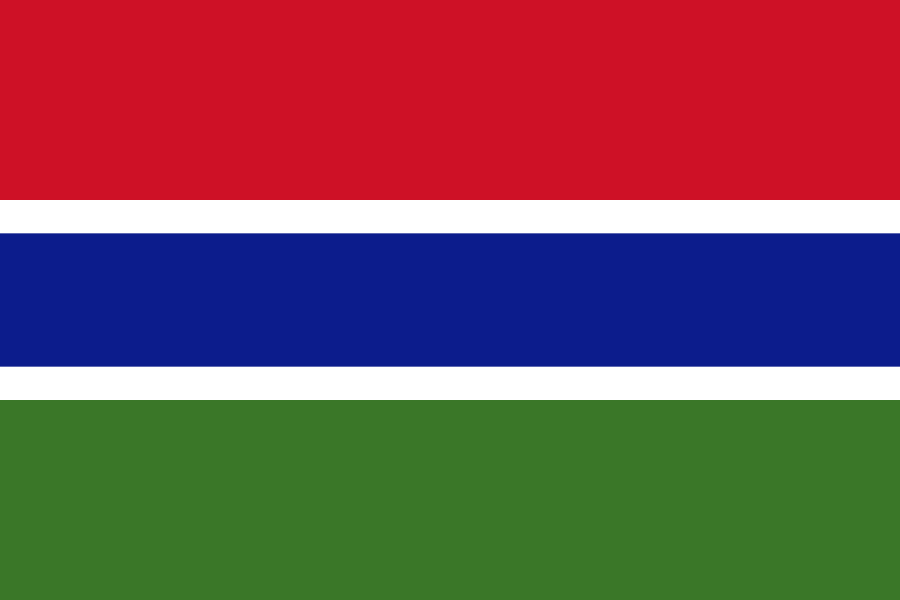
Gambia, The
· GM

Gambia, The

Gambia, The

Welcome to The Gambia: The Smiling Coast of Africa Basking under the sun on the West African coast, The Gambia is a vibrant nation brimming with life, offering an unforgettable escape for every traveler. Don't let its s…

#West Africa#Smiling Coast#Tropical#Gambian culture#River Gambia
1/6

Top hotels & flights

Hand-picked stays and the best fares into Gambia, The.

Top Hotels in Banjul

Top Flights to Banjul

Popular activities

Tours, tickets and experiences travelers book most in Gambia, The.

Tours

River Gambia National Park Safari

Explore the diverse wildlife of the River Gambia National Park with guided boat tours.

Kachikally Crocodile Pool Visit

Visit this sacred crocodile pool, a unique cultural and historical site in Bakau.

Bakau Botanic Gardens Walk

Take a peaceful walk through Bakau's Botanic Gardens, featuring a variety of local plants.

Shopping

Albert Market Experience

Discover the bustling Albert Market in Banjul, known for its vibrant atmosphere and beautiful handicrafts.

Brikama Craft Market

Shop for authentic Gambian crafts and artworks at the Brikama Craft Market.

Outdoor

Sanyang Beach Adventures

Enjoy the sun, sand, and surf at Sanyang Beach, offering a mix of relaxation and adventure activities.

Lamin Lodge Mangrove Exploration

Explore the stunning mangroves at Lamin Lodge with guided canoe trips.

Location videos

Real reels from travelers, plus longer watches to get the full picture.

Watch & explore

Practical info

The essentials for planning your time in Gambia, The.

Currency
D | GMD | Gambian dalasi
Population
2.8 million
Languages
English, Mandinka, Wolof, Fula, Serer, Jola
Average weather
Gambia, The
Jan
sun
32°16°
Feb
sun
33°17°
Mar
sun
34°18°
Apr
sun
34°19°
May
sun
33°21°
Jun
cloud
32°23°
Jul
rain
31°23°
Aug
rain
30°23°
Sep
rain
31°23°
Oct
cloud
32°23°
Nov
sun
33°20°
Dec
sun
32°17°

Local guide

What travelers love, what to watch for, and a deeper read on Gambia, The.

What people love

Traveling to Gambia, The can offer a unique and enriching experience for several reasons:

  1. Rich Cultural Heritage: Gambia, The is known for its diverse cultural heritage with influences from various ethnic groups. Travelers can immerse themselves in the local traditions, music, dance, and cuisine.

  2. Beautiful Beaches: The country is blessed with stunning beaches along the Atlantic Ocean, making it an ideal destination for beach lovers. Visitors can relax on the sandy shores, engage in water sports, or explore the vibrant beachfront communities.

  3. Abundant Wildlife: Gambia, The is home to several national parks and wildlife reserves, offering opportunities for safari adventures and birdwatching. Visitors can spot a wide variety of animals, including monkeys, crocodiles, hippos, and a diverse range of bird species.

  4. River Gambia: The Gambia River runs through the heart of the country, providing picturesque views and opportunities for boat cruises, fishing trips, and exploring local communities along its banks.

  5. Friendly Locals: Gambians are known for their warm hospitality and friendliness towards visitors. Travelers can expect to be welcomed with open arms and have meaningful interactions with the local population.

  6. Affordable Travel: Gambia, The is relatively affordable compared to other tourist destinations, making it an attractive option for budget-conscious travelers looking for a unique experience.

Overall, traveling to Gambia, The can offer a combination of culture, nature, and adventure, making it a memorable destination for those seeking an authentic African experience.

Enjoy your trip to Gambia, The!

What to know

Traveling to The Gambia can have some cons, including:

  1. Political Instability: The Gambia has experienced political instability in the past, with several coup attempts and political unrest. Travelers should stay informed about the current political situation before visiting.

  2. Health Risks: Like many African countries, The Gambia is prone to diseases such as malaria, yellow fever, and other tropical illnesses. Travelers should take necessary precautions such as vaccinations and anti-malarial medication.

  3. Safety Concerns: Petty crime such as pickpocketing and theft can occur, especially in tourist areas. Travelers should be cautious and take measures to safeguard their belongings.

  4. Weather Extremes: The Gambia has a tropical climate with hot and humid conditions. Travelers may find it uncomfortable, especially during the rainy season when there is a risk of flooding.

  5. Limited Infrastructure: The Gambia may have limited infrastructure compared to Western countries, including unreliable electricity and water supply. This can affect the overall travel experience.

It's important for travelers to research and plan their trip carefully to mitigate these potential cons and have a safe and enjoyable experience in The Gambia.

The Gambia is a small country in West Africa, known for its narrow geography that follows the course of the Gambia River. Here's a detailed history of The Gambia, including significant events, historical figures, and important landmarks:

Early History

  • Pre-Colonial Era: The region now known as The Gambia has been inhabited for thousands of years, with evidence of early human settlements. The indigenous people included the Mandinka, Fula, and Wolof, among others.
  • Trans-Saharan Trade: The Gambia River facilitated trade and interaction, becoming part of the trans-Saharan trade routes. The area was influenced by major African empires such as the Mali Empire and later the Songhai Empire.

European Exploration and Colonization

  • 15th Century: The Portuguese were the first Europeans to reach The Gambia, exploring the river in the mid-1400s.
  • 17th Century: The British established a presence in the region, setting up trading posts. The French also had interests in the area, leading to frequent conflicts.
  • 1783: The Treaty of Versailles recognized British control over The Gambia River.

The Gambia as a British Colony

  • 1816: The British founded Bathurst (now Banjul) as a trading post and base for suppressing the transatlantic slave trade.
  • 1821: The Gambia became a crown colony, initially administered from Sierra Leone.
  • 1888: The Gambia became a separate colony and protectorate with its own governor.
  • Slavery: The Gambia was a significant site for the slave trade until the British abolished it in the early 19th century.

Path to Independence

  • 1963: The Gambia gained self-governance, with the establishment of its own House of Representatives.
  • 1965: The Gambia achieved independence from the United Kingdom on February 18, with Dawda Jawara as the first Prime Minister.

Post-Independence and Modern Era

  • 1970: The Gambia became a republic, with Dawda Jawara as its first President.
  • 1981: An attempted coup was suppressed with the help of Senegalese troops.
  • 1982-1989: The Gambia entered into a confederation with Senegal, called Senegambia, but it dissolved due to disagreements.

Military Rule and Democratic Transition

  • 1994: Yahya Jammeh led a bloodless coup that ousted President Jawara, establishing a military regime.
  • 1996: Jammeh transitioned to a civilian government after winning the presidential election, ruling until 2017.
  • 2016: Adama Barrow won the presidential election, ending Jammeh’s 22-year rule. Jammeh initially refused to step down but eventually went into exile.

Significant Landmarks

  • Kunta Kinteh Island: Formerly known as James Island, it is a UNESCO World Heritage Site and significant in the history of the transatlantic slave trade.
  • Arch 22: A monumental arch in Banjul commemorating the 1994 coup.
  • River Gambia National Park: A protected area known for its diverse wildlife and conservation efforts.
  • Albert Market: A bustling market in Banjul offering a glimpse into local culture and trade.

Key Historical Figures

  • Dawda Jawara: The first Prime Minister and later President who led the country to independence.
  • Yahya Jammeh: Military leader who ruled The Gambia for over two decades.
  • Adama Barrow: Current President who came to power after a democratic election in 2016.

The Gambia's history is marked by its strategic river, colonial past, and a trajectory toward democracy and development.