
Gallipoli
· IT

Gallipoli

Gallipoli, Puglia, Italy

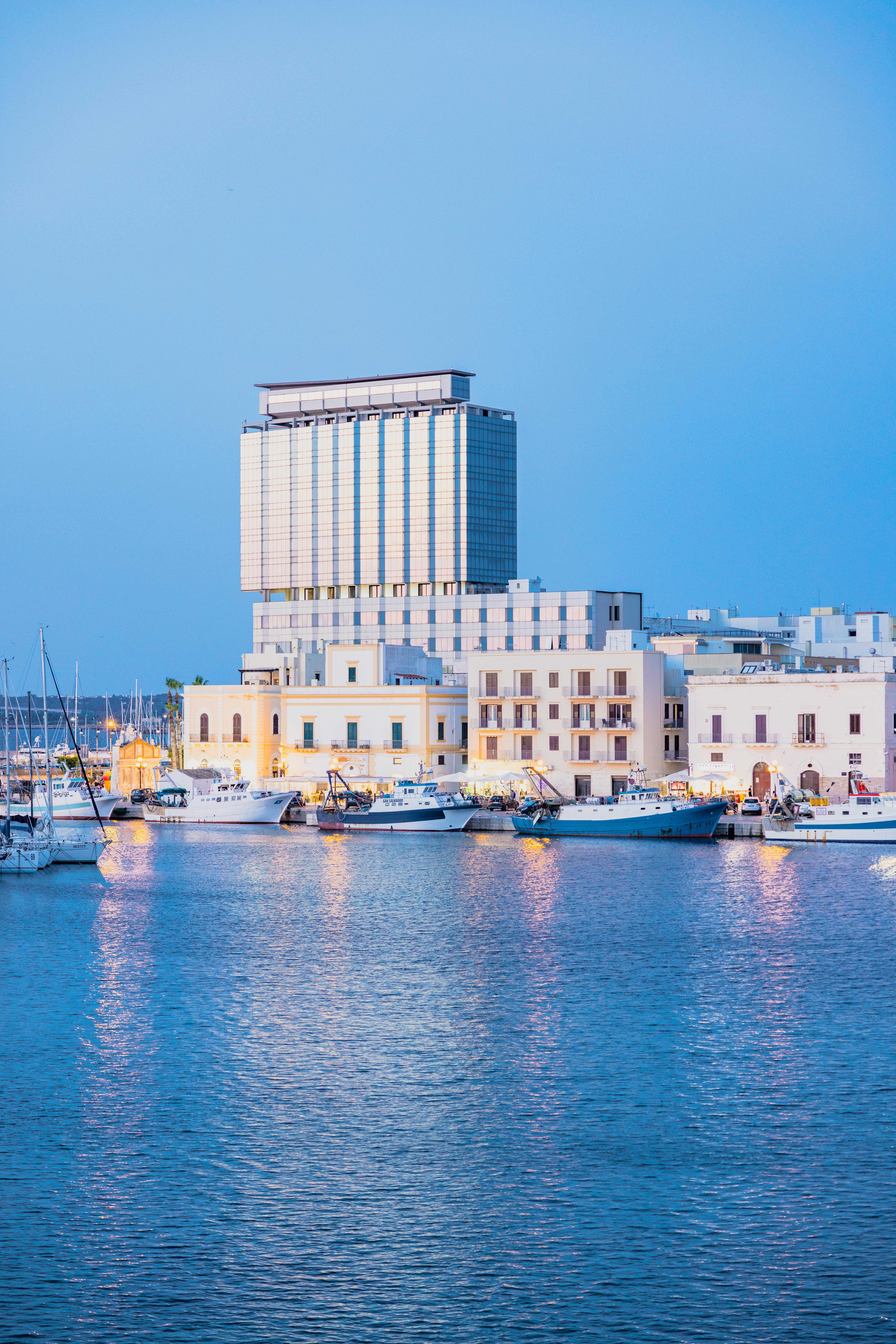
Gallipoli, located in the picturesque region of Puglia, Italy, is a charming coastal town that beckons travelers with its captivating blend of history, culture, and natural beauty. Nestled on the Ionian Sea, Gallipoli bo…

#historical site#beach town#Mediterranean Sea#WWI memorial#tourist destination
1/2

Top hotels & flights

Hand-picked stays and the best fares into Gallipoli.

Top Hotels in Gallipoli

Top Flights to Gallipoli

Location videos

Real reels from travelers, plus longer watches to get the full picture.

From travelers

Practical info

The essentials for planning your time in Gallipoli.

Currency
€ | EUR | Euro
Population
Information not available.
Languages
Italian, Italian
Average weather
Gallipoli
Jan
rain
9°3°
Feb
rain
10°3°
Mar
cloud
13°5°
Apr
cloud
17°8°
May
clear
22°12°
Jun
sun
27°16°
Jul
hot
30°19°
Aug
hot
30°19°
Sep
clear
26°16°
Oct
cloud
21°12°
Nov
rain
15°8°
Dec
rain
11°4°

Local guide

What travelers love, what to watch for, and a deeper read on Gallipoli.

What people love

Gallipoli, located in the Puglia region of Italy, offers a unique and charming destination for travelers. Some of the pros of traveling to Gallipoli include:

  1. Beautiful Beaches: Gallipoli is known for its stunning beaches with crystal-clear waters and golden sands. Visitors can relax and sunbathe, enjoy water sports, or take a leisurely swim in the Mediterranean Sea.

  2. Rich History: Gallipoli is steeped in history, with a well-preserved historic center that dates back to ancient times. Visitors can explore the picturesque old town, walk along the ancient city walls, and visit historic landmarks such as the Castello Angioino and the Cathedral of Sant'Agata.

  3. Delicious Cuisine: Puglia is renowned for its delicious food and wine, and Gallipoli is no exception. Visitors can savor fresh seafood, local olive oil, handmade pasta, and other traditional dishes at the town's many restaurants and trattorias.

  4. Charming Atmosphere: Gallipoli exudes a charming and laid-back atmosphere, perfect for leisurely strolls through its narrow streets, bustling markets, and waterfront promenade. The town comes alive at night with lively bars, cafes, and live music venues.

  5. Easy Access to Other Attractions: Gallipoli is well-connected to other popular destinations in Puglia, such as Lecce, Alberobello, and Ostuni. Visitors can easily take day trips to explore the region's picturesque towns, historic sites, and beautiful countryside.

Overall, traveling to Gallipoli offers a wonderful mix of natural beauty, history, culture, and culinary delights, making it a fantastic destination for a relaxing and enjoyable vacation in southern Italy.

What to know

Gallipoli in Puglia, Italy, is a popular tourist destination known for its beautiful beaches and historical sites. However, like any travel destination, there are some potential drawbacks to consider:

  1. Crowds During Peak Season: Gallipoli is particularly popular during the summer months, which can lead to overcrowded beaches, busy streets, and fully booked accommodations. This can detract from the experience if you prefer a more relaxed and less crowded environment.

  2. Heat in Summer: The summer months can be very hot, with temperatures often exceeding 30°C (86°F). This can be uncomfortable for some travelers, especially if you plan to spend a lot of time outdoors exploring the area.

  3. Limited Public Transportation: While Gallipoli is accessible by train and bus, the public transportation options within the town and to surrounding areas can be limited. This might require renting a car to explore the region more thoroughly, which can add to travel costs.

  4. Tourist Prices: As with many popular tourist destinations, prices for food, accommodations, and activities can be higher in Gallipoli, especially during the peak tourist season. It's important to budget accordingly.

  5. Language Barrier: While many people in the tourism industry speak English, there may be language barriers when interacting with locals who may speak only Italian. This can sometimes make communication a bit challenging.

  6. Limited Nightlife Options: While Gallipoli has some nightlife, it may not be as vibrant as larger cities. If nightlife is a priority, this might be a consideration.

  7. Potential for Noise: In the busy tourist areas, particularly in the old town, noise from restaurants, bars, and street activities can be a disturbance, especially if you are staying nearby.

These potential cons can vary greatly depending on personal preferences and the time of year you plan to visit. It's always a good idea to research and plan ahead to ensure that your visit aligns with your travel expectations and preferences.

Gallipoli is a charming town located in the Apulia (Puglia) region of southern Italy. It sits on the coast of the Ionian Sea and is known for its beautiful beaches, rich history, and cultural significance. Here is a detailed history of Gallipoli, along with its significant events, historical figures, and important landmarks:

Historical Overview

  1. Ancient Period:

    • Gallipoli's origins date back to ancient times, and it was originally a Messapian settlement. The Messapians were an ancient Italic people in Apulia.
    • The town later came under Greek influence, and its name, Gallipoli, derives from the Greek "Kallipolis," meaning "Beautiful City."
  2. Roman Era:

    • During Roman times, Gallipoli became a significant port and trading center due to its strategic location on the Ionian Sea. The Romans appreciated its natural harbor.
  3. Middle Ages:

    • After the fall of the Roman Empire, Gallipoli experienced a series of invasions and was ruled by various powers, including the Byzantines, Normans, and Swabians.
    • In the 11th century, the Normans brought stability and growth to Gallipoli. The construction of fortifications and religious buildings marked this period.
  4. Renaissance and Baroque Periods:

    • Under the Aragonese rule in the 15th century, Gallipoli flourished as a commercial hub, especially in the trade of olive oil and wine.
    • The town's architecture from this period includes beautiful Baroque churches and palaces, reflecting the prosperity of the time.
  5. Modern Era:

    • In the 18th and 19th centuries, Gallipoli continued to thrive as a fishing and trading center. It became part of the Kingdom of Italy in the 19th century during the unification of Italy.

Significant Events

  • Construction of the Castle:

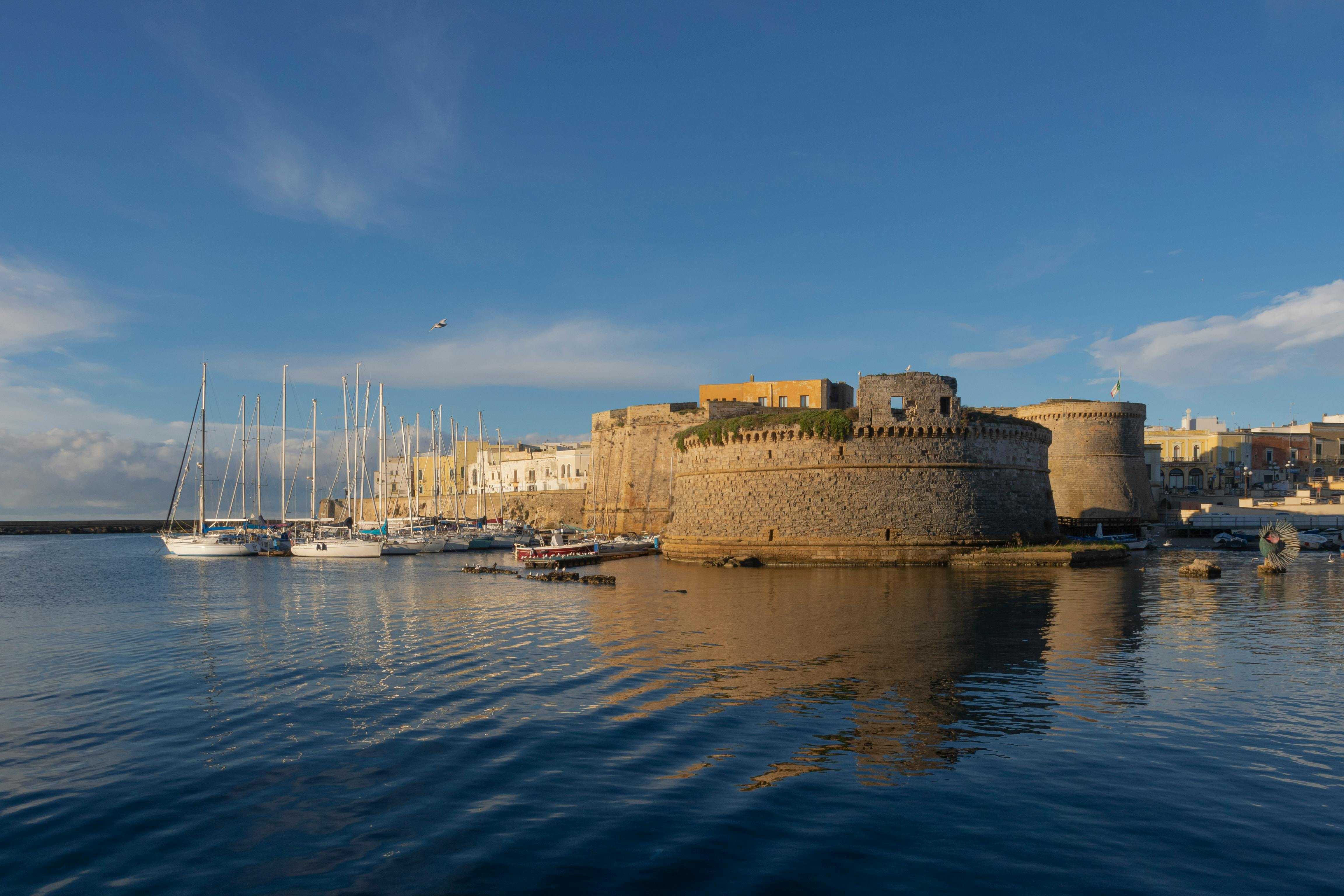
    • The Gallipoli Castle, originally built by the Byzantines, was reconstructed by the Angevins in the 13th century and later fortified by the Aragonese. It played a crucial role in defending the town from pirate attacks and invasions.
  • Trade and Economy:

    • Gallipoli was historically known for its olive oil trade. The oil was stored in vast underground oil mills and exported throughout Europe.

Important Landmarks

  1. Gallipoli Castle:

    • A prominent fortress at the entrance to the old town, the castle offers panoramic views of the sea and the city. It has undergone several modifications over the centuries.
  2. Cathedral of Sant'Agata:

    • This stunning Baroque cathedral, located in the heart of the old town, is dedicated to Saint Agatha and features intricate frescoes and artworks.
  3. Church of Santa Maria della Purità:

    • Known for its rich Baroque interior and beautiful religious paintings, this church is another key landmark in Gallipoli.
  4. Greek Fountain:

    • An ancient fountain located near the bridge connecting the old town to the mainland, it is believed to date back to the Renaissance period, though some theories suggest ancient Greek origins.
  5. The Walls and Bastions:

    • The old town is surrounded by well-preserved walls and bastions, which were built to protect against invasions. They offer scenic walks with views of the sea.

Cultural Influence

Gallipoli has a vibrant cultural life, with festivals, traditional music, and cuisine that reflect its rich history and coastal location. The town is famous for its seafood dishes and local wines.

In summary, Gallipoli's history is marked by its strategic maritime position, varied rulers, and economic prosperity through trade. Its well-preserved architecture and historical landmarks continue to attract visitors from around the world.