
Gaillac
· FR

Gaillac

Gaillac, Occitanie, France

Gaillac, located in the Occitanie region of France, is a charming town with a rich history and a vibrant cultural scene that makes it a perfect destination for any traveler seeking a mix of history, nature, and gastronom…

#Gaillac#Occitanie#France#Historic town#Wine region
1/3

Top hotels & flights

Hand-picked stays and the best fares into Gaillac.

Top Hotels in Gaillac

Top Flights to Gaillac

Location videos

Real reels from travelers, plus longer watches to get the full picture.

From travelers

Practical info

The essentials for planning your time in Gaillac.

Currency
€ | EUR | Euro
Population
Information not available.
Languages
French, French
Average weather
Gaillac
Jan
cold
9°2°
Feb
cold
11°2°
Mar
cloud
15°4°
Apr
rain
17°7°
May
cloud
21°11°
Jun
sun
25°15°
Jul
hot
29°17°
Aug
hot
29°17°
Sep
sun
25°14°
Oct
cloud
19°10°
Nov
rain
13°6°
Dec
cold
10°3°

Local guide

What travelers love, what to watch for, and a deeper read on Gaillac.

What people love

Gaillac, located in Occitanie, France, is a charming town known for its picturesque scenery, rich history, and delicious wines. Here are some pros of traveling to Gaillac:

  1. Wine Tasting: Gaillac is famous for its vineyards and wineries, offering visitors the opportunity to taste a variety of wines produced in the region. You can take wine tours, visit local vineyards, and learn about the winemaking process.

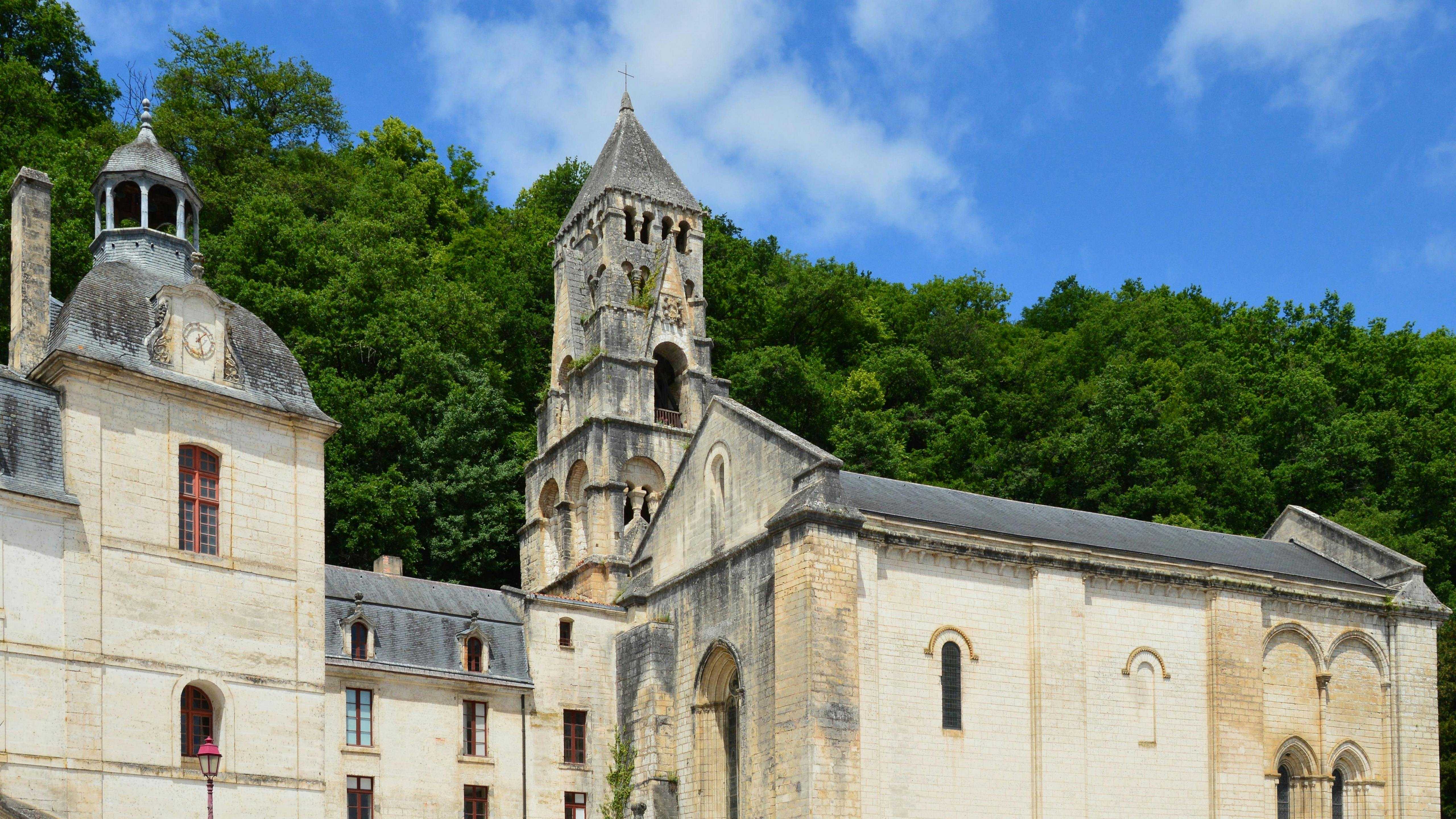
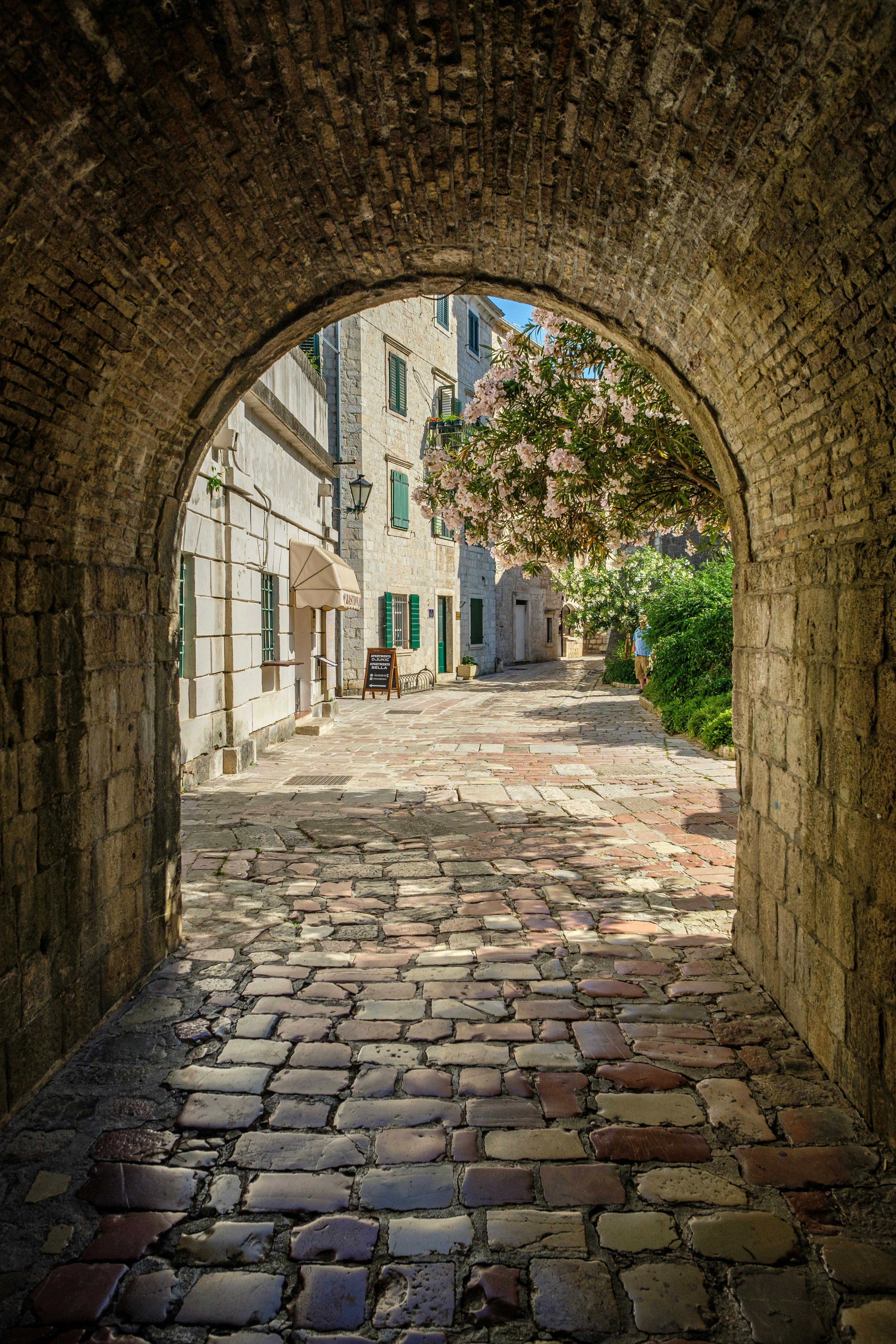
  2. Historical Sites: Gaillac is home to several historical sites, including the Abbey Saint-Michel, which dates back to the 10th century. You can explore the abbey, as well as the charming old town with its medieval buildings and narrow streets.

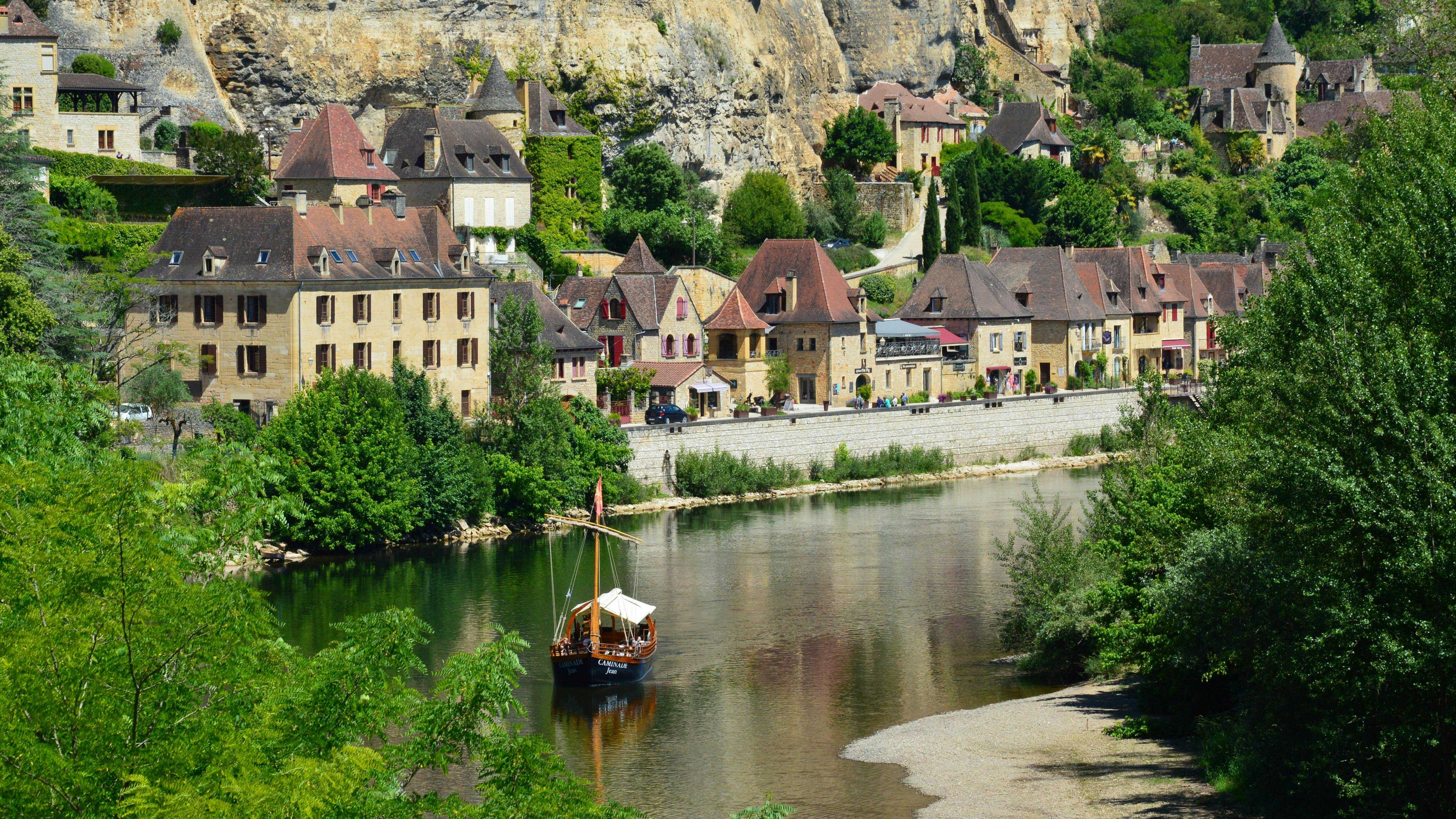
  3. Scenic Landscapes: The countryside around Gaillac is beautiful and perfect for outdoor activities such as hiking, cycling, and picnicking. You can enjoy stunning views of vineyards, rolling hills, and the Tarn River.

  4. Culinary Delights: Gaillac offers a variety of dining options, from traditional French cuisine to local specialties. You can savor delicious meals made with fresh, local ingredients and enjoy the gastronomic delights of the region.

  5. Festivals and Events: Gaillac hosts various festivals and events throughout the year, celebrating wine, music, and culture. You can immerse yourself in the vibrant local scene and experience the town's lively atmosphere.

Overall, traveling to Gaillac offers a unique blend of history, culture, nature, and gastronomy, making it a delightful destination for those seeking an authentic French experience.

What to know

Gaillac, located in Occitanie, France, is a beautiful destination with many attractions and activities for visitors to enjoy. However, there are a few potential drawbacks to traveling to Gaillac that you may want to consider:

  1. Limited transportation options: Gaillac is a relatively small town, and public transportation options within the town and to other nearby destinations may be limited. Renting a car or using taxis could be necessary for convenient travel.

  2. Language barrier: While many people in Gaillac may speak English, French is the primary language spoken in the region. If you do not speak French, you may encounter some communication challenges during your stay.

  3. Seasonal tourism: Gaillac can be quite crowded with tourists during peak travel seasons, which may lead to longer wait times at popular attractions and restaurants. If you prefer more quiet and less crowded destinations, you may want to plan your visit during the off-peak season.

  4. Limited nightlife: Gaillac is a charming and historic town, but it may not offer a vibrant nightlife scene compared to larger cities. If you are looking for a lively nightlife with bars and clubs, you may find Gaillac lacking in this aspect.

Overall, Gaillac is a wonderful destination with much to offer visitors, but it's essential to consider these potential drawbacks when planning your trip.

Gaillac is a commune located in the Tarn department in the Occitanie region of southern France. It has a rich history that dates back to ancient times and is particularly renowned for its wine production.

Ancient and Medieval History:

  • Roman Era: Gaillac's history likely began during the Roman era, when the region was known for its viticulture. The Romans are credited with introducing vine cultivation to the area, a tradition that continues to this day.
  • Middle Ages: In the 10th century, the Benedictine abbey of Saint-Michel was founded. This abbey became a focal point for the town's development. The monks played a significant role in the cultivation of vineyards and the promotion of Gaillac wines.
  • Albigensian Crusade: Gaillac, like much of the surrounding region, was affected by the Albigensian Crusade (1209–1229), a campaign initiated by the Catholic Church to eliminate the Cathar heresy. The town and its abbey were involved in the political and religious conflicts of the time.

Renaissance to the 18th Century:

  • Renaissance: During the Renaissance, Gaillac continued to thrive as a center for wine production. The town's strategic location on the Tarn River facilitated trade and commerce.
  • 17th and 18th Centuries: The town grew and prospered, with the construction of many fine houses and mansions by wealthy wine merchants. The wine trade expanded significantly during this period.

19th and 20th Centuries:

  • Industrialization: The 19th century saw industrial developments that impacted Gaillac, including the establishment of various factories and improvements in transportation, such as the railway, which enhanced trade.
  • World Wars: Gaillac, like many French towns, was affected by the World Wars. The local economy and infrastructure were challenged, but the town rebuilt and continued to be known for its wine production.

Important Landmarks:

  • Abbey of Saint-Michel: The historic Benedictine abbey is one of Gaillac's most significant landmarks. It showcases a mix of Romanesque and Gothic architectural styles and is a testament to the town's religious and cultural history.
  • Church of Saint-Pierre: This church features a blend of architectural styles and houses significant religious art and artifacts.
  • Town Hall: Located in a beautiful 17th-century building, the town hall is an example of Gaillac's historical architecture.
  • Wine Museum (Maison des Vins): Situated in the abbey, the museum highlights the history and significance of Gaillac's wine production.

Wine Production:

Gaillac is one of the oldest wine-producing regions in France. Its vineyards produce a wide range of wines, including red, white, and sparkling varieties. The unique terroir and grape varieties such as Braucol, Duras, and Mauzac contribute to the distinct character of Gaillac wines.

Notable Historical Figures:

While specific historical figures directly associated with Gaillac may not be widely recognized on an international scale, the monks of the Abbey of Saint-Michel and various influential wine merchants have played crucial roles in shaping the town's history.

Overall, Gaillac is a town with a deeply rooted historical and cultural heritage, particularly known for its contributions to viticulture and its architectural landmarks.