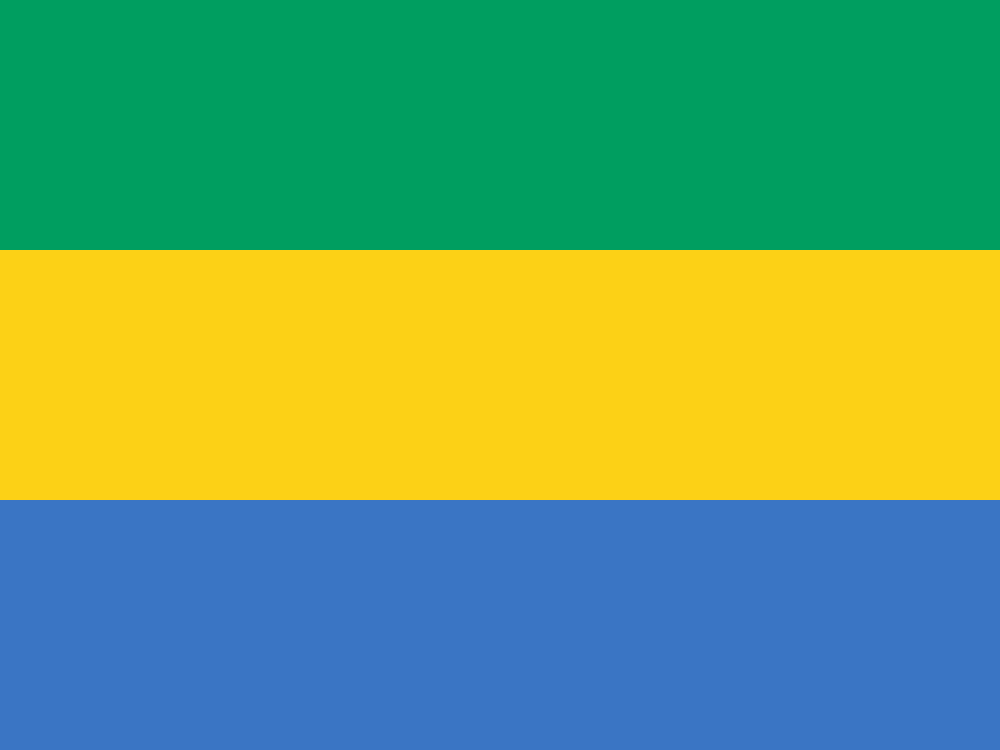
Gabon
· GA

Gabon

Gabon

Escape to Untamed Beauty: Gabon Awaits Dreaming of pristine beaches, encountering gorillas in dense jungles, and exploring landscapes untouched by time? Then Gabon, a jewel on the west coast of Central Africa, is calling…

#Central Africa#French-speaking country#Rainforest#Oil-rich#Libreville
1/1

Top hotels & flights

Hand-picked stays and the best fares into Gabon.

Top Hotels in Libreville

Top Flights to Libreville

Popular activities

Tours, tickets and experiences travelers book most in Gabon.

Tours

St. Michel's Cathedral Visit

Explore the architectural beauty of St. Michel's Cathedral in Libreville.

Shopping

Marché Mont-Bouët

Explore Marché Mont-Bouët, Libreville's bustling market offering a variety of goods and souvenirs.

Outdoor

Loango National Park Exploration

Venture into the 'Land of Surfing Hippos' – Loango National Park, renowned for its diverse ecosystems and wildlife sightings.

Libreville Beach Day

Enjoy a relaxing day at the beautiful beaches of Libreville, the capital city of Gabon.

Akanda National Park Visit

Discover Akanda National Park, home to mangroves, tidal beaches, and diverse bird species.

Location videos

Real reels from travelers, plus longer watches to get the full picture.

From travelers
Watch & explore

Practical info

The essentials for planning your time in Gabon.

Currency
CFA franc | XAF | Central African CFA franc
Population
The approximate estimated total population of Gabon is 2.4 million.
Average weather
Gabon
Jan
rain
30°23°
Feb
rain
30°23°
Mar
rain
30°23°
Apr
rain
30°23°
May
rain
29°22°
Jun
cloud
28°21°
Jul
cloud
27°20°
Aug
cloud
27°20°
Sep
rain
28°21°
Oct
rain
29°22°
Nov
rain
29°22°
Dec
rain
30°23°

Local guide

What travelers love, what to watch for, and a deeper read on Gabon.

What people love

Gabon is a country located in Central Africa known for its diverse wildlife, lush rainforests, and beautiful beaches. Traveling to Gabon can offer many unique experiences and opportunities for adventure. Here are some pros of traveling to Gabon:

  1. Breathtaking National Parks: Gabon is home to 13 national parks, including Loango National Park, which is known for its diverse ecosystems and abundant wildlife. Visitors can see elephants, buffalos, gorillas, and a variety of bird species in their natural habitats.

  2. Pristine Beaches: Gabon has a stunning coastline along the Atlantic Ocean with pristine beaches that are perfect for relaxation and water activities like swimming, snorkeling, and surfing.

  3. Cultural Diversity: Gabon is home to over 40 different ethnic groups, each with their own unique traditions, music, and art. Travelers can immerse themselves in the rich cultural heritage of the country by visiting local villages and attending traditional ceremonies.

  4. Eco-Tourism Opportunities: Gabon is committed to sustainable tourism practices and conservation efforts, making it a great destination for eco-conscious travelers. Visitors can participate in eco-tours, birdwatching expeditions, and hiking trips in the country's unspoiled natural landscapes.

  5. Friendly Locals: Gabonese people are known for their hospitality and warmth towards visitors. Travelers can expect to be welcomed with open arms and have the opportunity to interact with locals to learn more about the country's culture and way of life.

Overall, traveling to Gabon can be a rewarding experience for nature lovers, adventure seekers, and those interested in exploring a lesser-known destination in Africa.

What to know

Some potential cons of traveling to Gabon include:

  1. Safety concerns: While Gabon is generally considered safe for tourists, certain areas, particularly in remote regions or border areas, may pose risks of crime or civil unrest. It is important to stay informed about the current situation and follow travel advisories.

  2. Health risks: Gabon is located in a region where diseases such as malaria, yellow fever, and dengue fever are prevalent. Travelers should take necessary precautions, such as getting vaccinated and using mosquito repellent.

  3. Limited infrastructure: Gabon's infrastructure, especially outside of major cities, may be less developed than in other countries. This could impact travel logistics, accommodation options, and access to basic services.

  4. Language barrier: The official language of Gabon is French, and while English may be spoken in tourist areas, communication could be challenging in more remote locations.

  5. Cost of travel: Gabon is not a budget-friendly destination compared to some other African countries. Accommodation, transportation, and activities may be relatively expensive.

Overall, while Gabon has much to offer in terms of natural beauty and wildlife, travelers should be aware of these potential challenges when planning their trip.

Gabon, a country located on the west coast of Central Africa, has a rich and varied history that reflects its geographical position and cultural heritage. Here is a detailed overview:

Pre-Colonial Period

  • Early Inhabitants: The region now known as Gabon was first inhabited by Pygmy peoples. Over time, Bantu-speaking tribes migrated into the area, bringing with them ironworking skills and new agricultural techniques.
  • Kingdoms and Societies: By the 13th century, several Bantu-speaking peoples, such as the Fang, Myene, and Kota, had established themselves in the region. They formed small kingdoms and societies that traded with each other and with other groups further inland and along the coast.

European Exploration and Colonization

  • First European Contacts: Portuguese explorers reached the Gabonese coast in the late 15th century. The name "Gabon" is believed to derive from the Portuguese word "gabão," meaning cloak, as the shape of the Komo River estuary resembled one.
  • French Colonization: In the 19th century, France began to establish its influence in the region. The French explorer Pierre Savorgnan de Brazza played a significant role in establishing French control over Gabon.
  • Establishment of Libreville: In 1849, a settlement for freed slaves was established, which became the city of Libreville, now the capital of Gabon.

Colonial Gabon

  • Part of French Equatorial Africa: In 1910, Gabon became part of French Equatorial Africa, a federation of French colonies in Central Africa.
  • Economic Development: During the colonial period, Gabon’s economy was largely based on timber and later manganese and oil. The construction of the Congo-Ocean Railway was a significant infrastructure project of the time.

Path to Independence

  • World War II: Gabon was a strategic location during the war, and after the war, movements for independence gained strength.
  • Independence: Gabon gained independence from France on August 17, 1960. Léon M'ba became the country's first president.

Post-Independence Era

  • Léon M'ba and Omar Bongo: Léon M'ba was succeeded by Albert-Bernard Bongo (later known as Omar Bongo) in 1967. Omar Bongo's presidency lasted until his death in 2009, making him one of the longest-serving heads of state in the world.
  • Political Stability and Economic Growth: Under Bongo, Gabon maintained relative political stability and was one of Africa's most prosperous countries due to its oil resources.

Recent Developments

  • Ali Bongo Ondimba: After the death of Omar Bongo in 2009, his son, Ali Bongo Ondimba, was elected president. His administration focused on diversifying the economy and improving infrastructure.
  • Political Challenges: Gabon has faced challenges with political protests and demands for political reform. The 2016 presidential election was particularly contentious.

Important Figures

  • Léon M'ba: First president of Gabon, led the country to independence.
  • Omar Bongo: Long-serving president who played a key role in Gabon's modern development.
  • Ali Bongo Ondimba: Current president as of 2023, focusing on economic diversification.

Landmarks and Sites

  • Libreville: The capital city, known for its colonial architecture and cultural institutions.
  • Loango National Park: Known for its wildlife and ecosystems, a symbol of Gabon's rich natural heritage.
  • Ivindo National Park: Home to the Kongou Falls and diverse flora and fauna, recognized as a UNESCO World Heritage site.

Gabon remains a country of significant natural beauty and resources, with ongoing efforts to balance development with the preservation of its unique environment.