
Funtua
· NG

Funtua

Funtua, Katsina, Nigeria

Discover Funtua: A Hidden Gem in Katsina State, Nigeria Step off the beaten path and into the vibrant heart of Northern Nigeria with a visit to Funtua, a bustling city in Katsina State brimming with authentic cultural ex…

#Funtua#Katsina#Nigeria#Urban area#Historic town
1/1

Top hotels & flights

Hand-picked stays and the best fares into Funtua.

Top Hotels in Funtua

Top Flights to Funtua

Location videos

Real reels from travelers, plus longer watches to get the full picture.

Watch & explore

Practical info

The essentials for planning your time in Funtua.

Currency
₦ | NGN | Nigerian Naira
Population
180475.0
Languages
Hausa, English, Hausa
Average weather
Funtua
Jan
clear
32°15°
Feb
clear
34°18°
Mar
hot
37°21°
Apr
hot
38°23°
May
sun
36°23°
Jun
rain
33°22°
Jul
rain
30°21°
Aug
rain
29°21°
Sep
rain
30°21°
Oct
cloud
32°20°
Nov
clear
34°18°
Dec
clear
32°16°

Local guide

What travelers love, what to watch for, and a deeper read on Funtua.

What people love

Pros of Traveling to Funtua, Katsina, Nigeria:

  1. Cultural Experience: Funtua offers a rich cultural experience for travelers looking to immerse themselves in the local traditions and way of life of the Hausa people in Katsina State.

  2. Historical Sites: Funtua is home to various historical sites such as the Funtua Wall, which provides insights into the town's past and offers opportunities for exploration and learning.

  3. Local Cuisine: Travelers can enjoy authentic Hausa cuisine in Funtua, including dishes such as tuwo shinkafa (mashed rice), miyan kuka (baobab leaf soup), and masa (rice cake).

  4. Hospitality: The people of Funtua are known for their warm hospitality and friendliness towards visitors, making it a welcoming destination for tourists.

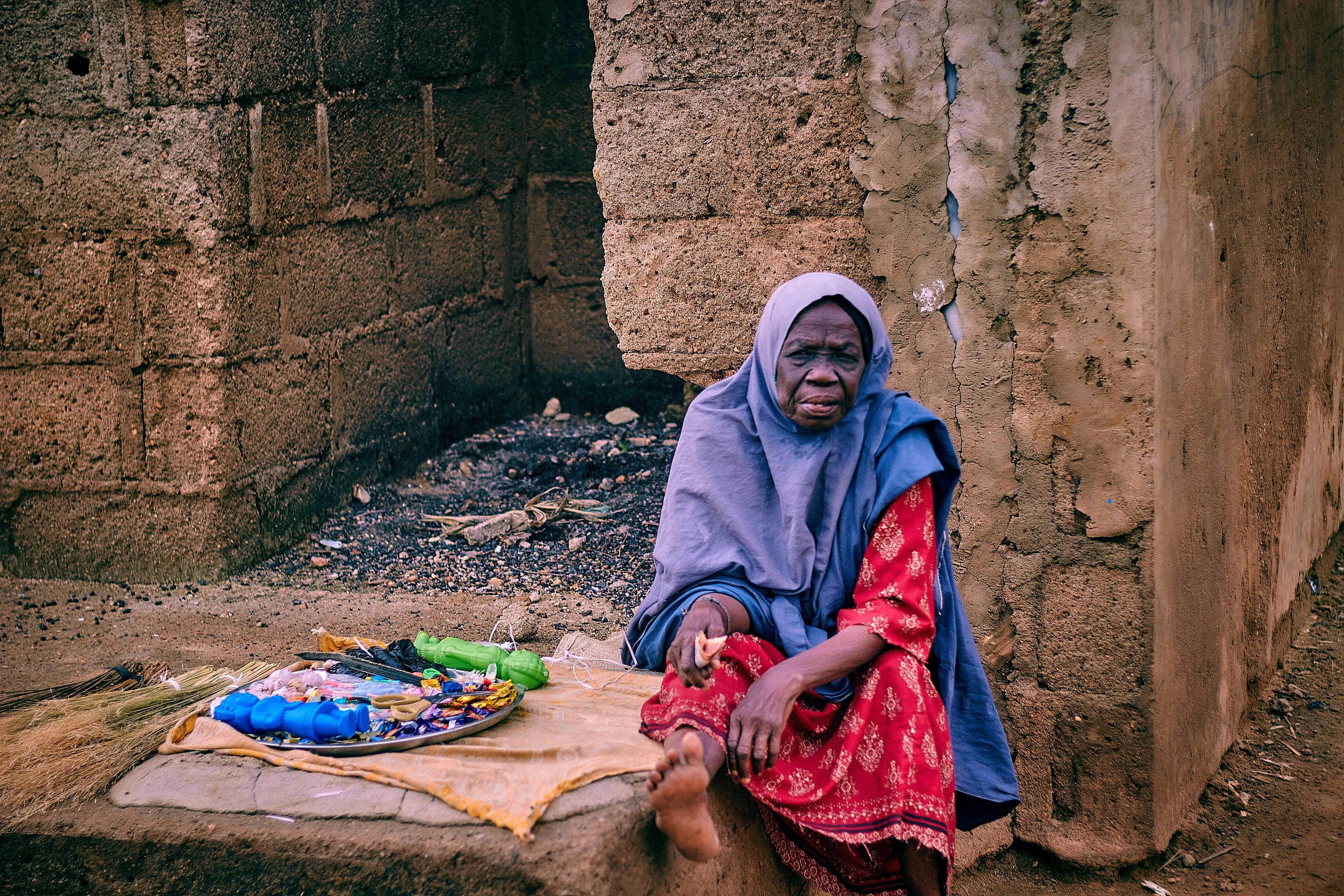
  5. Market Experience: Funtua is known for its bustling markets where visitors can shop for traditional crafts, textiles, and local produce, offering a vibrant and colorful shopping experience.

  6. Natural Beauty: The surrounding landscapes of Funtua are characterized by scenic beauty, with lush vegetation, rolling hills, and picturesque vistas that offer opportunities for outdoor activities and nature exploration.

  7. Community Engagement: Traveling to Funtua allows visitors to interact with local communities, learn about their way of life, and participate in cultural activities and events, fostering a deeper understanding of the region.

Overall, Funtua in Katsina, Nigeria, offers a unique and authentic travel experience for those looking to explore the rich cultural heritage, historical sites, and warm hospitality of the Hausa people in the region.


I hope you find this information helpful. If you need more details or have any other questions, feel free to ask.

What to know

Traveling to Funtua in Katsina, Nigeria, may have some potential drawbacks. It is important to consider the following cons:

  1. Safety Concerns: Katsina State, where Funtua is located, has experienced security challenges such as banditry and other criminal activities in recent years. Travelers should exercise caution and stay informed about the current security situation before visiting.

  2. Limited Infrastructure: Funtua may have limited infrastructure compared to more urban areas in Nigeria. This could mean challenges in terms of transportation, accommodation, and access to basic amenities.

  3. Health Risks: Like many regions in Nigeria, there may be health risks associated with traveling to Funtua, including infectious diseases and limited access to quality healthcare facilities.

  4. Cultural Differences: Travelers to Funtua should be aware of and respectful towards the local customs, traditions, and cultural norms in order to avoid any misunderstandings or conflicts.

  5. Language Barrier: English is the official language in Nigeria, but in more rural areas like Funtua, local languages may be more commonly spoken. This could potentially pose challenges for communication for travelers who do not speak the local language.

Please note that this information is based on general knowledge and may not reflect the current situation in Funtua. It is advisable to conduct thorough research and consult with local authorities or travel advisories before planning a trip to Funtua.

Funtua is a town located in the southern part of Katsina State, Nigeria. It serves as a major commercial and agricultural hub in the region. While detailed historical records are limited, here is an overview of Funtua's history and significance:

Historical Background

  • Pre-Colonial and Colonial Era: Funtua, like many towns in northern Nigeria, was part of the broader Hausa cultural and political landscape. The area was influenced by the Sokoto Caliphate, a powerful Islamic state that dominated the region from the early 19th century. During the colonial period, Funtua became part of Northern Nigeria under British rule.

  • Post-Independence: After Nigeria's independence in 1960, Funtua continued to develop as an important center in Katsina State. The town has grown significantly over the decades, driven by its strategic location and agricultural productivity.

Economic and Social Development

  • Agriculture: Funtua is situated in a region known for its agricultural activities. The town serves as a key center for the production and trade of crops such as cotton, maize, and groundnuts. The presence of the Funtua Textile Mill, established in the late 20th century, also underscores its role in the textile industry.

  • Education and Infrastructure: Over the years, Funtua has seen improvements in infrastructure and educational facilities. These developments have contributed to its status as a regional center for trade and education.

Significant Events and Figures

  • Local Leadership: Traditional rulers and local leaders play an important role in the governance and cultural heritage of Funtua. These figures often mediate between the community and government authorities, maintaining stability and fostering development.

  • Economic Initiatives: Various government and private initiatives have targeted Funtua for economic development, focusing on enhancing agricultural productivity and industrial growth.

Landmarks

  • Emir's Palace: The palace of the traditional leader is a notable landmark, serving as a cultural and administrative center for the local community.

  • Funtua Central Market: As a commercial hub, the central market is a bustling place for trade and commerce, reflecting the town's role as an agricultural and economic center.

  • Religious Sites: Funtua is home to several mosques and Islamic institutions, reflecting the predominantly Muslim population and the importance of Islam in the cultural and social life of the community.

Cultural Significance

  • Festivals and Traditions: Like many towns in northern Nigeria, Funtua celebrates various cultural and religious festivals, which are integral to its social fabric and offer insight into the local customs and traditions.

While detailed historical records of Funtua might not be extensively documented, its role as an agricultural and commercial center in Katsina State highlights its importance in the region. The town continues to grow and develop, contributing to the broader socio-economic landscape of northern Nigeria.