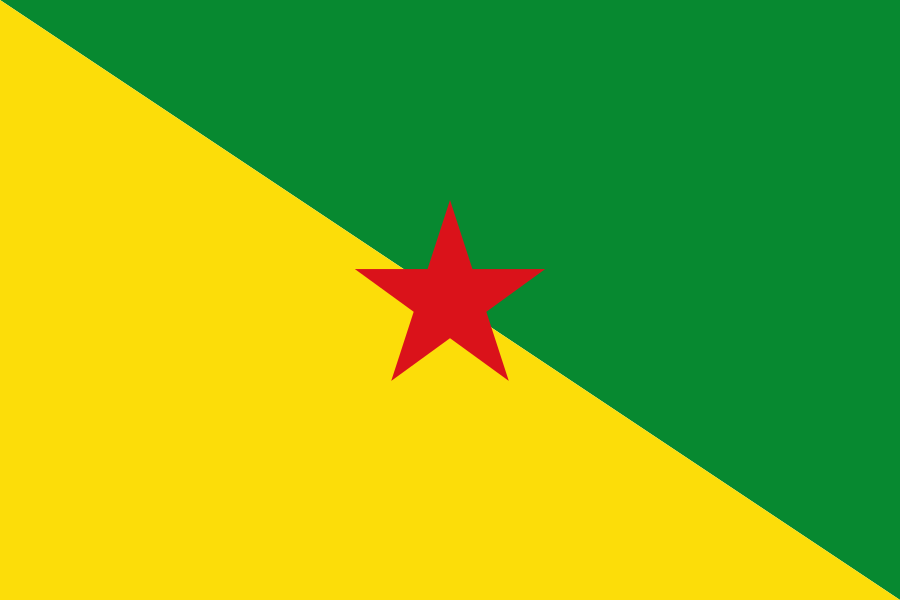
French Guiana
· GF

French Guiana

French Guiana

Escape to the Amazonian Frontier: French Guiana Craving a taste of adventure off the beaten path? Look no further than French Guiana, a slice of Europe nestled in the heart of South America. This unique overseas departme…

#South America#French overseas department#Amazon rainforest#Cayenne#Spaceport
1/3

Top hotels & flights

Hand-picked stays and the best fares into French Guiana.

Top Hotels in Cayenne

Top Flights to Cayenne

Popular activities

Tours, tickets and experiences travelers book most in French Guiana.

Tours

Tour the Space Center

Visit the Guiana Space Centre for a peek into space missions and rocket launches.

Visit Devil's Island

Explore the history of the infamous Devil's Island, part of the Îles du Salut.

Shopping

Cayenne Market Visit

Discover local culture and buy unique souvenirs at the bustling Cayenne Market.

Outdoor

Explore the Amazon Rainforest

Guided tours through the lush Amazon rainforest, witnessing diverse wildlife and unique flora.

Birdwatching in Kaw Marshes

Observe unique bird species in their natural habitat at Kaw Marshes.

Location videos

Real reels from travelers, plus longer watches to get the full picture.

From travelers
Watch & explore

Practical info

The essentials for planning your time in French Guiana.

Currency
€ | EUR | Euro
Population
The approximate estimated total population of French Guiana is '0.3 million'.
Languages
French, French, French Guianese Creole, Hmong, Portuguese, Spanish, English, Dutch, Hakka
Average weather
French Guiana
Jan
rain
29°23°
Feb
rain
29°23°
Mar
rain
29°23°
Apr
rain
29°23°
May
rain
29°23°
Jun
rain
30°23°
Jul
rain
30°23°
Aug
sun
31°23°
Sep
sun
32°23°
Oct
sun
32°24°
Nov
rain
31°24°
Dec
rain
30°23°

Local guide

What travelers love, what to watch for, and a deeper read on French Guiana.

What people love

French Guiana, located in South America, offers a unique travel experience with a mix of French and Creole cultures. Here are some pros of traveling to French Guiana:

  1. Breathtaking Nature: French Guiana is home to stunning natural beauty, including lush rainforests, diverse wildlife, and pristine beaches. Visitors can explore the Amazon rainforest, spot exotic birds and animals, and relax on picturesque beaches.

  2. Space Center: French Guiana is home to the Guiana Space Centre, a major spaceport used by the European Space Agency. Visitors can take guided tours of the center and learn about space exploration, making it a fascinating destination for science and space enthusiasts.

  3. Cultural Diversity: The population of French Guiana is a melting pot of cultures, with influences from France, indigenous peoples, and other Caribbean nations. Travelers can experience a rich blend of traditions, languages, and cuisines, providing a unique cultural experience.

  4. Adventure Activities: French Guiana offers a range of adventure activities for outdoor enthusiasts, including hiking through the rainforest, canoeing along rivers, and exploring remote villages. Visitors can also embark on wildlife tours, fishing excursions, and birdwatching expeditions.

  5. Delicious Cuisine: Food lovers will appreciate the delicious Creole and French cuisine found in French Guiana. From fresh seafood dishes to flavorful Creole stews and pastries, there is a wide variety of local delicacies to sample and enjoy.

Overall, traveling to French Guiana can be a rewarding experience for those looking to explore a mix of natural beauty, cultural diversity, and unique attractions.

What to know

French Guiana, located in South America, is a unique destination with its own set of pros and cons. Some potential cons of traveling to French Guiana include:

  1. Cost of living: French Guiana is known to be one of the most expensive destinations in South America. The cost of accommodation, food, and transportation can be higher compared to other countries in the region.

  2. Limited tourism infrastructure: French Guiana is not as developed for tourism as other popular destinations in South America. This might result in fewer options for accommodations, tours, and activities.

  3. Language barrier: The official language in French Guiana is French, and not all locals may speak English fluently. This could pose a challenge for English-speaking travelers who do not speak French.

  4. Health concerns: French Guiana is a tropical destination, and travelers may need to take precautions against mosquito-borne diseases such as Zika, dengue fever, and chikungunya.

  5. Isolation: French Guiana is a remote destination with limited connectivity to other countries in South America. Travelers should be prepared for long flights and limited transportation options within the country.

Please note that these cons should be considered along with the many unique attractions and experiences that French Guiana has to offer. It's always a good idea to research and plan ahead to make the most of your trip to this fascinating destination.

French Guiana, located on the northeastern coast of South America, is an overseas department and region of France. Its history is marked by indigenous cultures, European colonization, and its current status as a French territory.

Pre-Colonial Period

Prior to European contact, French Guiana was inhabited by several indigenous groups, including the Arawak, Carib, and Wayana peoples. These groups lived off the land through hunting, fishing, and agriculture.

European Exploration and Colonization

  • 1498: Christopher Columbus sighted the area during his third voyage to the Americas.
  • 1604: The first French settlement was established by a group of traders, but it was short-lived due to resistance from indigenous peoples and harsh conditions.
  • 1643: The French established a more permanent settlement at Cayenne, which became the capital.
  • 1664: The French West India Company took control of the colony, but the colony faced challenges, including attacks from other European powers and indigenous groups.

Colonial Struggles and Developments

  • 18th Century: French Guiana experienced fluctuating fortunes with periods of prosperity due to sugar and cotton plantations, and hardship due to conflicts and economic downturns.
  • 1763: The Treaty of Paris ended the Seven Years' War, and France regained control of French Guiana from the British.
  • 1794: Slavery was abolished during the French Revolution, but it was reinstated in 1802 by Napoleon Bonaparte.

Penal Colony Era

  • 1852: The French government established a penal colony in French Guiana, which became infamous for its harsh conditions. Notable sites include Devil's Island, part of the Îles du Salut, where political prisoners like Captain Alfred Dreyfus were held.
  • 1938: The French government officially closed the penal colony, although the last prisoners did not leave until 1953.

Modern Era

  • 1946: French Guiana became an overseas department of France, granting it the same legal status as regions in mainland France.
  • 1964: The French Space Agency established the Guiana Space Centre near Kourou, which has become a significant site for European and international space launches.

Significant Historical Figures

  • Alfred Dreyfus: A Jewish French army officer wrongfully convicted of treason in 1894 and imprisoned on Devil's Island, his case became a significant political scandal in France.
  • Henri Charrière: Known as "Papillon," he was a former convict from the penal colony who wrote a famous memoir about his escape.

Important Landmarks

  • Îles du Salut (Salvation Islands): Includes Devil's Island, known for its historical significance as part of the French penal colony.
  • Guiana Space Centre: A key European spaceport for satellite launches, contributing significantly to the local economy.
  • Cayenne: The capital city, which features colonial architecture and serves as the cultural and administrative center of French Guiana.

French Guiana today is a blend of indigenous heritage, colonial history, and modern French influence. It is known for its biodiversity, rainforest, and as a hub for space exploration.