Falun
· SE

Falun

Falun, Dalarna, Sweden

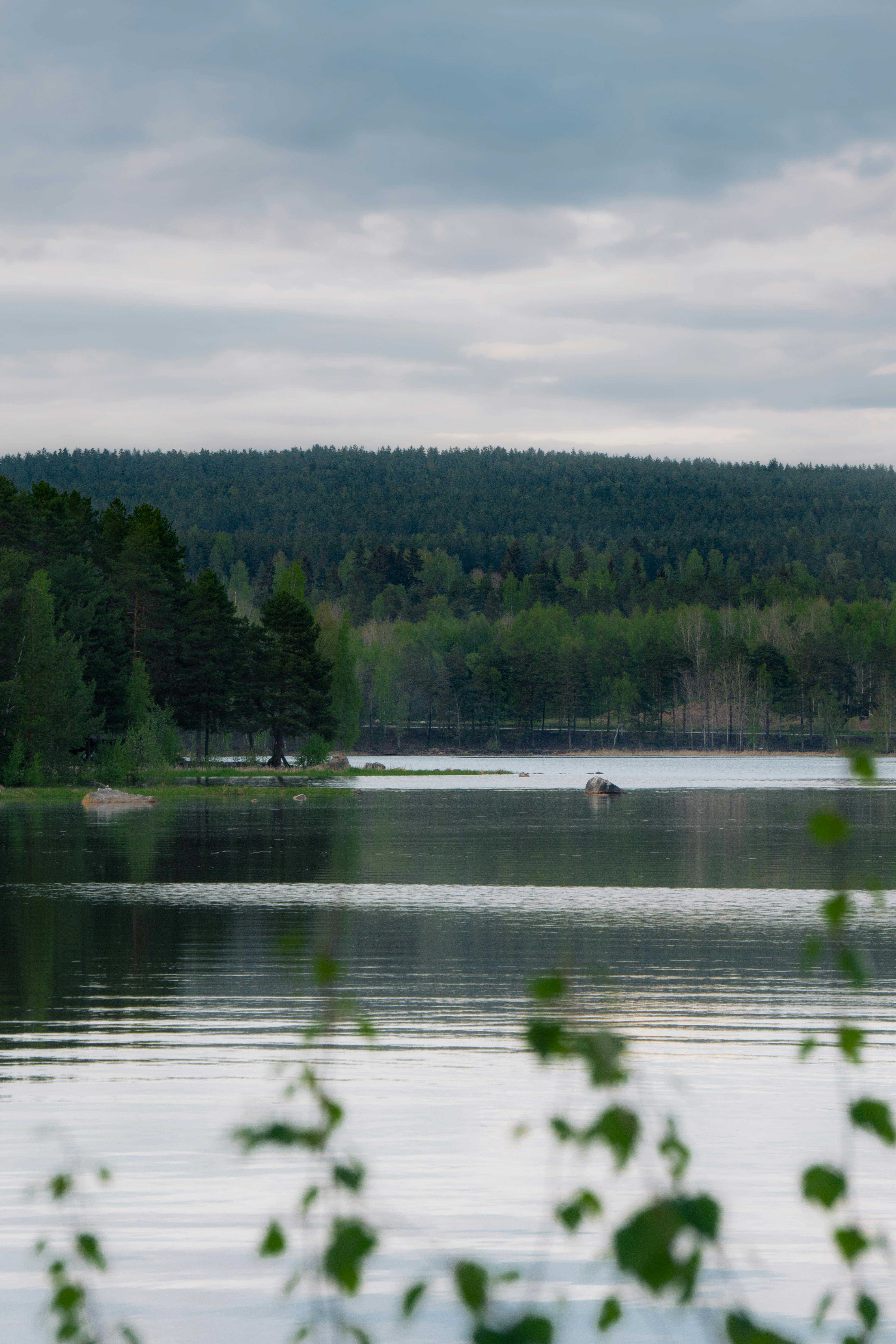
Discover the Timeless Charm of Falun, Sweden Nestled amidst sparkling lakes and verdant forests in the heart of Dalarna, Falun is a captivating city that seamlessly blends history, culture, and natural beauty. Steeped in…

#Falun#Dalarna#Sweden#Historic town#Mining heritage
1/1

Top hotels & flights

Hand-picked stays and the best fares into Falun.

Top Hotels in Falun

Top Flights to Falun

Location videos

Real reels from travelers, plus longer watches to get the full picture.

From travelers
Watch & explore

Practical info

The essentials for planning your time in Falun.

Currency
kr | SEK | Swedish krona
Population
The approximate estimated total population of Falun, Dalarna, Sweden is around 59,000.
Average weather
Falun
Jan
snow
-2°-8°
Feb
snow
-1°-8°
Mar
snow
3°-5°
Apr
cloud
9°-1°
May
sun
16°4°
Jun
sun
21°10°
Jul
sun
23°12°
Aug
sun
21°11°
Sep
cloud
16°7°
Oct
rain
9°2°
Nov
cloud
3°-3°
Dec
snow
-1°-7°

Local guide

What travelers love, what to watch for, and a deeper read on Falun.

What people love

Falun in Dalarna, Sweden, is a charming destination with several appealing features for travelers. Here are some of the pros of traveling to Falun:

  1. Historical Significance: Falun is known for its historical significance as the location of the Great Copper Mountain, a UNESCO World Heritage Site. Visitors can explore the old mining area, learn about the history of copper mining in Sweden, and take a guided tour of the mine.

  2. Scenic Beauty: The landscape around Falun is picturesque, with forests, lakes, and rolling hills. Travelers can enjoy outdoor activities such as hiking, biking, and fishing in the surrounding nature reserves.

  3. Cultural Attractions: Falun is home to several cultural attractions, including the Falu Gruva Museum, showcasing the history of the mining industry, and the Falu Mine Museum, offering insight into the life of miners in the past.

  4. Local Cuisine: Travelers can sample traditional Swedish cuisine in Falun, including local specialties such as pea soup, meatballs, and lingonberries. There are also cozy cafes and restaurants where visitors can enjoy a meal while soaking up the local atmosphere.

  5. Peaceful Atmosphere: Falun offers a more relaxed and peaceful environment compared to larger cities in Sweden. Travelers can unwind and enjoy the tranquility of this idyllic town.

Overall, traveling to Falun in Dalarna, Sweden, offers a unique blend of history, nature, culture, and culinary experiences for visitors to enjoy.

I hope you find this information helpful in planning your trip to Falun!

What to know

Some potential cons of traveling to Falun, Sweden, could include:

  1. Weather: Falun experiences cold and snowy winters, which may not be ideal for travelers who prefer warmer climates or are not accustomed to such weather conditions. Additionally, the days are shorter during the winter months, which can limit the amount of daylight for sightseeing.

  2. Limited Activities: Falun is a smaller city compared to larger urban centers, so there may be limited options for entertainment, dining, and shopping compared to larger cities. Travelers looking for a bustling nightlife scene or a wide variety of attractions may find Falun to be quieter in comparison.

  3. Language Barrier: While many Swedes speak English, there may still be instances where language barriers can be a challenge, especially in more rural areas like Falun. This could make communication and navigating the city more difficult for travelers who do not speak Swedish.

  4. Accessibility: Falun is not a major transportation hub, so getting to and from the city may require multiple connections or longer travel times. Additionally, public transportation options within the city itself may be limited, making it less convenient to explore the area without a car.

  5. Tourist Crowds: While Falun is not as popular with tourists as larger cities like Stockholm or Gothenburg, there may still be crowds during peak travel seasons. This could lead to longer wait times at popular attractions and accommodations filling up quickly.

Please note that these are general considerations and may not apply to every traveler. It's always a good idea to research further and consider your own preferences and priorities when planning a trip to Falun, Sweden.

Falun is a city in Dalarna County, Sweden, known for its significant historical and cultural heritage. Here is a detailed history of Falun, including significant events, historical figures, and important landmarks:

Early History:

  • Copper Mining: Falun’s history is deeply intertwined with the copper mine known as the Great Copper Mountain (Stora Kopparberget). Mining activities in Falun date back to at least the 9th century. The mine became particularly important in the 17th century when it accounted for two-thirds of Europe’s copper production. The mine's profits were crucial for Sweden's economy and military campaigns.

17th Century:

  • Sweden's Great Power Era: During the 17th century, Falun was at the heart of Sweden's economic power. The copper produced in Falun was used to fund military expeditions and contributed to Sweden's position as a major European power.
  • Urban Development: Falun developed significantly in this era, transforming from a mining settlement into a more structured town. In 1641, Falun was granted city privileges by Queen Christina of Sweden.

Notable Historical Figures:

  • Christopher Polhem (1661-1751): Known as the "Father of Swedish Technology," Polhem was an inventor and industrialist who contributed to the technological advancements in mining in Falun.
  • Carl Linnaeus (1707-1778): The famous botanist studied the flora around Falun and the region of Dalarna, contributing to his work on plant classification.

18th and 19th Centuries:

  • Decline of Mining: As the demand for copper shifted and other sources became available, the significance of the Falun mine diminished. However, the city remained an important administrative and cultural center in the region.
  • Industrialization: By the late 19th century, Falun began to diversify its economy beyond mining, incorporating other industries such as timber and manufacturing.

20th Century:

  • World Heritage Site: In 2001, the Falun Mine and the surrounding landscape were designated a UNESCO World Heritage Site. This designation acknowledged the historical importance of the mine and the town's unique industrial heritage.

Important Landmarks:

  • Falun Mine (Falu Gruva): The centerpiece of Falun's historical significance, the mine is now a museum and a major tourist attraction. Visitors can learn about the history of mining and its impact on Sweden.
  • Stora Kopparberg Church: This historic church dates back to the 15th century and served the miners and townsfolk for centuries.
  • Dalarnas Museum: Located in Falun, this museum offers insights into the cultural and historical heritage of the Dalarna region, including exhibits on the Sami people and traditional Swedish crafts.

Cultural Significance:

  • Dalarna and Swedish Culture: Falun is located in the Dalarna region, which is often considered the heart of Swedish folklore and tradition. The area is known for its distinctive red-painted wooden houses, traditional music, and the Dala Horse, a symbol of Swedish handicraft.

Falun today is a vibrant city that balances its rich history with modern development, offering a glimpse into Sweden's industrial past and cultural traditions.