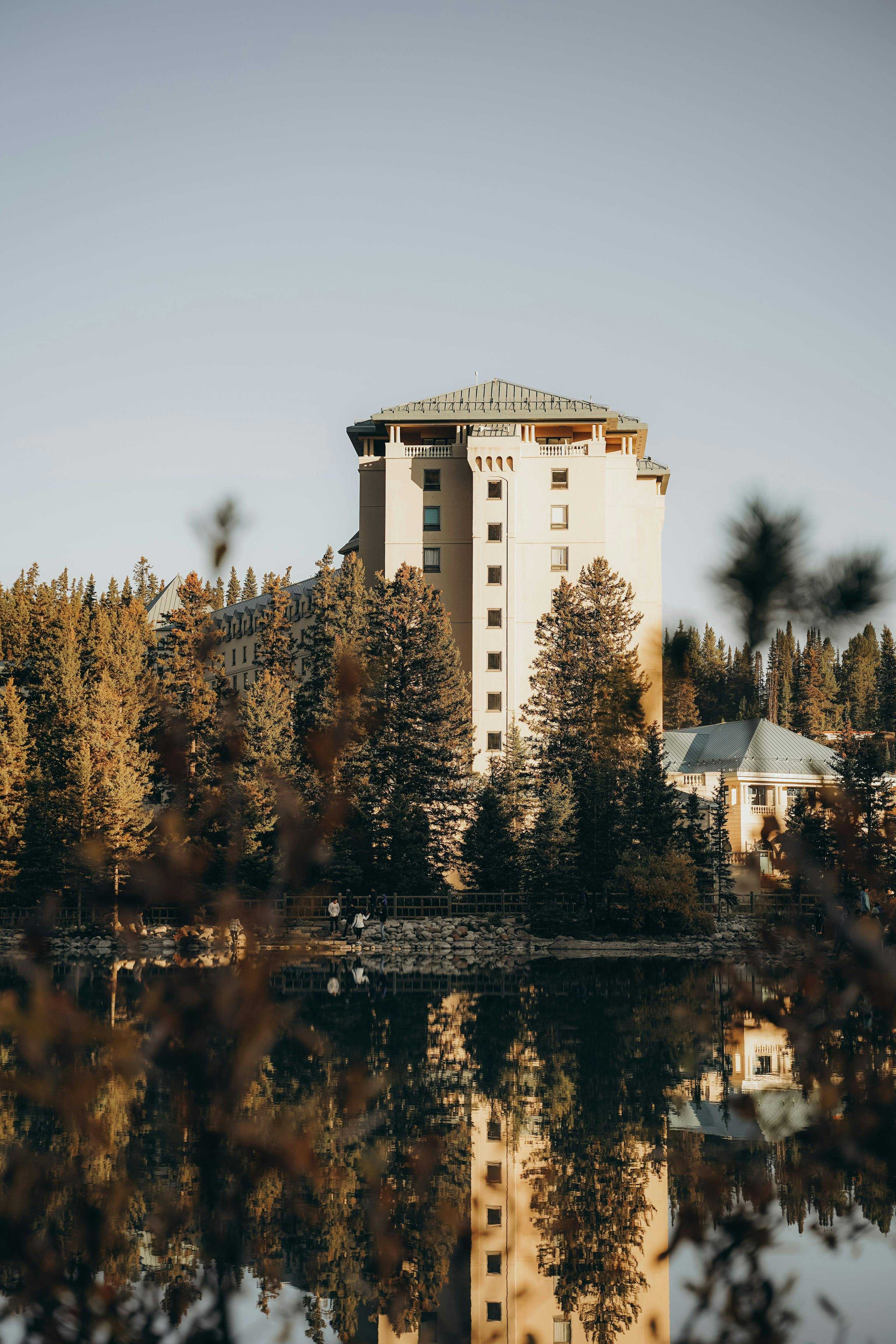

Fairmont
· US

Fairmont

Fairmont, Minnesota, United States

Fairmont, Minnesota, located in the United States, is a charming city that offers a perfect blend of history, natural beauty, and modern amenities for visitors to enjoy. Nestled in the heart of Martin County, Fairmont is…

#Small town#Midwest#Rural#County seat#Outdoor activities
1/6

Top hotels & flights

Hand-picked stays and the best fares into Fairmont.

Top Hotels in Fairmont

Top Flights to Fairmont

Location videos

Real reels from travelers, plus longer watches to get the full picture.

From travelers

Practical info

The essentials for planning your time in Fairmont.

Currency
$ | USD | US Dollar
Population
10.1 thousand
Languages
English, English
Average weather
Fairmont
Jan
snow
2°-6°
Feb
snow
4°-4°
Mar
cloud
10°0°
Apr
rain
16°5°
May
rain
22°11°
Jun
sun
27°16°
Jul
hot
29°18°
Aug
hot
28°17°
Sep
sun
24°13°
Oct
cloud
18°7°
Nov
rain
11°2°
Dec
snow
5°-3°

Local guide

What travelers love, what to watch for, and a deeper read on Fairmont.

What people love

Fairmont, Minnesota has several advantages for travelers:

  1. Scenic Beauty: Fairmont is known for its beautiful lakes, parks, and outdoor recreational activities. Visitors can enjoy boating, fishing, hiking, and other outdoor activities in the area.

  2. History and Culture: Fairmont has a rich history, with several historic sites and museums to explore. Visitors can learn about the area's past through visits to places like the Martin County Historical Society or the Fairmont Opera House.

  3. Small-Town Charm: Fairmont has a friendly and welcoming atmosphere, with charming downtown streets lined with shops, cafes, and restaurants. Visitors can experience the warmth and hospitality of a small Midwestern town.

  4. Proximity to Larger Cities: Fairmont is located within driving distance of larger cities like Minneapolis and St. Paul, making it a convenient base for exploring the region.

  5. Outdoor Recreation: Fairmont offers a variety of outdoor recreational opportunities, including golf courses, biking trails, and parks. Visitors can enjoy the natural beauty of the area while engaging in activities like birdwatching or picnicking.

Overall, Fairmont, Minnesota offers a mix of natural beauty, history, and small-town charm that can make for a memorable travel experience.

What to know

Fairmont, Minnesota is a charming small town with many attractions, but like any destination, it also has its drawbacks. Here are some potential cons of traveling to Fairmont:

  1. Limited dining options: Fairmont is a small town, so the dining options may be limited compared to larger cities. You may not find as many diverse culinary experiences or high-end restaurants in the area.

  2. Limited nightlife: Fairmont is not known for its vibrant nightlife scene. If you are looking for a lively nightlife with clubs and bars, you may find Fairmont to be lacking in this aspect.

  3. Seasonal weather: Minnesota experiences cold winters with heavy snowfall, which can impact travel plans and outdoor activities. If you are not accustomed to cold weather, you may find it challenging to enjoy outdoor attractions during the winter months.

  4. Limited public transportation: Fairmont is a small town with limited public transportation options. Renting a car may be necessary to explore the area, which can add to the cost of your trip.

  5. Distance from major cities: Fairmont is located away from major cities like Minneapolis-St. Paul, which means you may have to travel a considerable distance to reach attractions and amenities found in larger urban areas.

Overall, while Fairmont offers a peaceful and picturesque setting, travelers should be aware of these potential drawbacks when planning a trip to the area.

Fairmont, Minnesota, located in Martin County in the southern part of the state, has a rich history dating back to its founding and development in the 19th century. Here's a detailed history of Fairmont, highlighting significant events, historical figures, and important landmarks:

Early History and Founding

  • Settlement and Incorporation: Fairmont was settled in the early 1850s and was officially incorporated as a city in 1878. The area was attractive to settlers due to its fertile land and the presence of several lakes, which provided resources and transportation avenues.

Significant Events

  • Railroad Development: The arrival of the railroad in the late 19th century was pivotal for Fairmont, facilitating trade and the transport of goods. This development helped Fairmont grow as a commercial hub in the region.

  • Agricultural Growth: The city and surrounding region have long been known for agriculture, particularly corn and soybean farming. The development of agricultural industries has been a cornerstone of Fairmont's economy.

Historical Figures

  • William Budd: An early settler, Budd established one of the first businesses in the area and played a significant role in the development of Fairmont's economic landscape.

Important Landmarks

  • Fairmont Opera House: Built in 1901, the Fairmont Opera House is an important cultural landmark that still hosts live performances and community events. It is a testament to the city's commitment to the arts and culture.

  • Red Rock Center for the Arts: Originally constructed as a church in the late 19th century, this building now serves as a community center and hosts various artistic and cultural activities.

  • Chain of Lakes: Fairmont is sometimes referred to as the "City of Lakes" because of the five lakes in the area: Lake George, Lake Sisseton, Budd Lake, Hall Lake, and Amber Lake. These lakes are a significant natural feature and draw for recreation and tourism.

  • Martin County Courthouse: Built in 1907, this historic courthouse is a landmark in Fairmont and is listed on the National Register of Historic Places. Its architectural style and historical significance make it an important part of the city's heritage.

Economic and Cultural Development

  • Industry and Commerce: Over the decades, Fairmont has developed a diverse economy with industries ranging from agriculture to manufacturing and services. This economic diversification has helped stabilize the city through various economic shifts.

  • Community and Culture: Fairmont has a vibrant community life centered around its schools, churches, and local organizations. The city hosts various festivals and events, celebrating its heritage and community spirit.

Recent Developments

  • In recent years, Fairmont has focused on community development and maintaining its small-town charm while adapting to modern needs. Efforts in revitalizing the downtown area and enhancing community spaces reflect these ongoing changes.

This overview captures the essence of Fairmont's history and development, highlighting its transformation from a small settlement to a thriving community.