
 · BY
· BYDzyarzhynsk
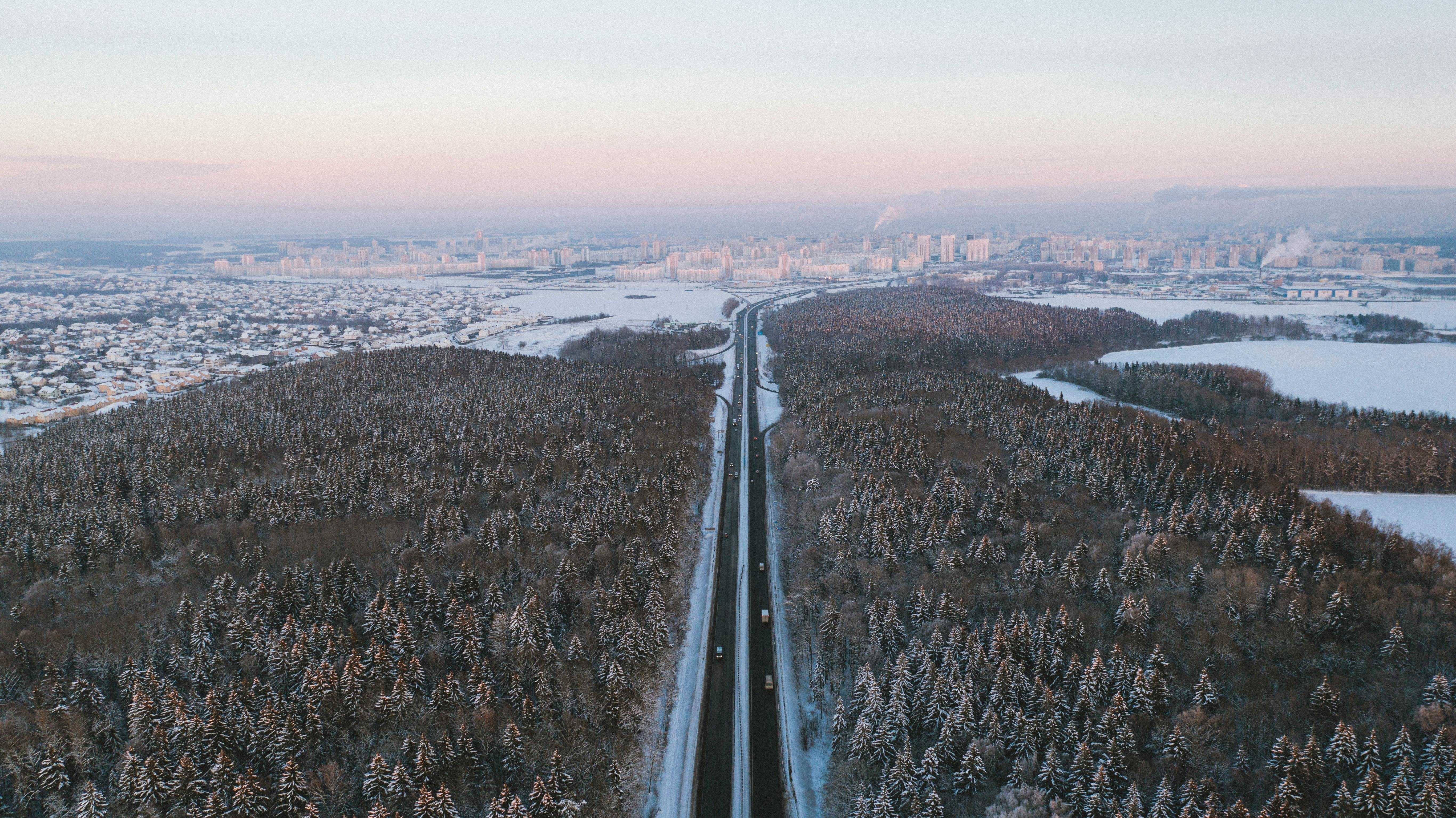
Dzyarzhynsk, located in the Minskaya Voblasts region of Belarus, is a charming town that offers visitors a unique blend of history, culture, and natural beauty. This picturesque town is situated in a scenic setting, surr…
Top hotels & flights
Hand-picked stays and the best fares into Dzyarzhynsk.
Top Hotels in Dzyarzhynsk
Top Flights to Dzyarzhynsk
Location videos
Real reels from travelers, plus longer watches to get the full picture.
Practical info
The essentials for planning your time in Dzyarzhynsk.


Local guide
What travelers love, what to watch for, and a deeper read on Dzyarzhynsk.
What people love
Information not available.
What to know
Information not available.
Dzyarzhynsk, formerly known as Koidanova or Koidanovo, is a town in the Minsk Region of Belarus. It is located approximately 30 kilometers southwest of Minsk, the capital of Belarus. The town has a rich history that reflects the broader historical changes in the region.
Early History
The area where Dzyarzhynsk is located has been inhabited for centuries. The first recorded mention of the settlement dates back to the 11th century, where it was known as Koidanova. The region was part of the Grand Duchy of Lithuania, a powerful state that eventually merged with Poland to form the Polish-Lithuanian Commonwealth.
Polish-Lithuanian Commonwealth
During the time of the Polish-Lithuanian Commonwealth, Koidanova was an important local center. It was granted town rights in the 16th century. The town's development was influenced by its strategic location and its role as a market settlement.
Partitions of Poland
In the late 18th century, Koidanova, like much of the territory of present-day Belarus, was affected by the Partitions of Poland. The town was incorporated into the Russian Empire after the second partition in 1793.
19th Century
Under Russian rule, the town continued to serve as a local administrative center. The construction of railways in the 19th century contributed to its economic development, facilitating trade and communication.
20th Century
The 20th century brought significant changes to the town. After World War I and the subsequent Polish-Soviet War, the region became part of the Soviet Union under the Byelorussian SSR. In 1932, the town was renamed Dzyarzhynsk in honor of Felix Dzerzhinsky, a Bolshevik revolutionary and the founder of the Soviet secret police, the Cheka.
During World War II, Dzyarzhynsk was occupied by Nazi Germany. The town and its surrounding areas witnessed significant conflict and hardship during the war, including the persecution of local populations.
Post-War Period
After the war, Dzyarzhynsk was rebuilt and continued to develop as part of the Soviet Union. It became a regional center with several industries contributing to its economy.
Modern Era
Since the dissolution of the Soviet Union in 1991, Dzyarzhynsk has been part of independent Belarus. The town has continued to grow and modernize, with a focus on local industry and community life.
Landmarks and Cultural Heritage
- Felix Dzerzhinsky Monument: Reflecting the town's connection to its namesake, there is a monument dedicated to Felix Dzerzhinsky.
- St. Anne's Church: An important historical and architectural landmark, representing the town's religious heritage.
- Dzyarzhynskaya Hara: The highest point in Belarus is located near the town, adding to its geographical significance.
Notable Figures
- Felix Dzerzhinsky: Although not born in Dzyarzhynsk, his legacy is tied to the town due to its name change in his honor.
Dzyarzhynsk's history is a tapestry of the broader historical narratives of Eastern Europe, reflecting changes in political regimes, cultural influences, and economic developments.