
Düsseldorf
· DE

Düsseldorf

Dusseldorf, North Rhine-Westphalia, Germany

Discover Düsseldorf: Where Chic Meets Charm on the Rhine Düsseldorf, nestled on the banks of the majestic Rhine River in western Germany, is a city that effortlessly blends cosmopolitan flair with a charming, laid-back a…

#City#Urban#Cultural#Business#Rhine River
1/2

Top hotels & flights

Hand-picked stays and the best fares into Düsseldorf.

Top Hotels in Düsseldorf

Top Flights to Düsseldorf

Location videos

Real reels from travelers, plus longer watches to get the full picture.

Watch & explore

Practical info

The essentials for planning your time in Düsseldorf.

Currency
€ | EUR | Euro
Population
information not available
Languages
German, German
Average weather
Düsseldorf
Jan
cold
5°0°
Feb
cold
6°0°
Mar
cloud
10°2°
Apr
cloud
14°5°
May
rain
18°9°
Jun
rain
21°12°
Jul
sun
23°14°
Aug
sun
23°14°
Sep
cloud
19°11°
Oct
cloud
14°7°
Nov
rain
9°3°
Dec
cold
6°1°

Local guide

What travelers love, what to watch for, and a deeper read on Düsseldorf.

What people love

There are several pros to traveling to Düsseldorf, Germany:

  1. Culture and Art: Düsseldorf is known for its vibrant art scene, with numerous galleries, museums, and cultural institutions to explore. The city is home to several renowned art museums, such as the Kunstsammlung Nordrhein-Westfalen and the K20 and K21 museums.

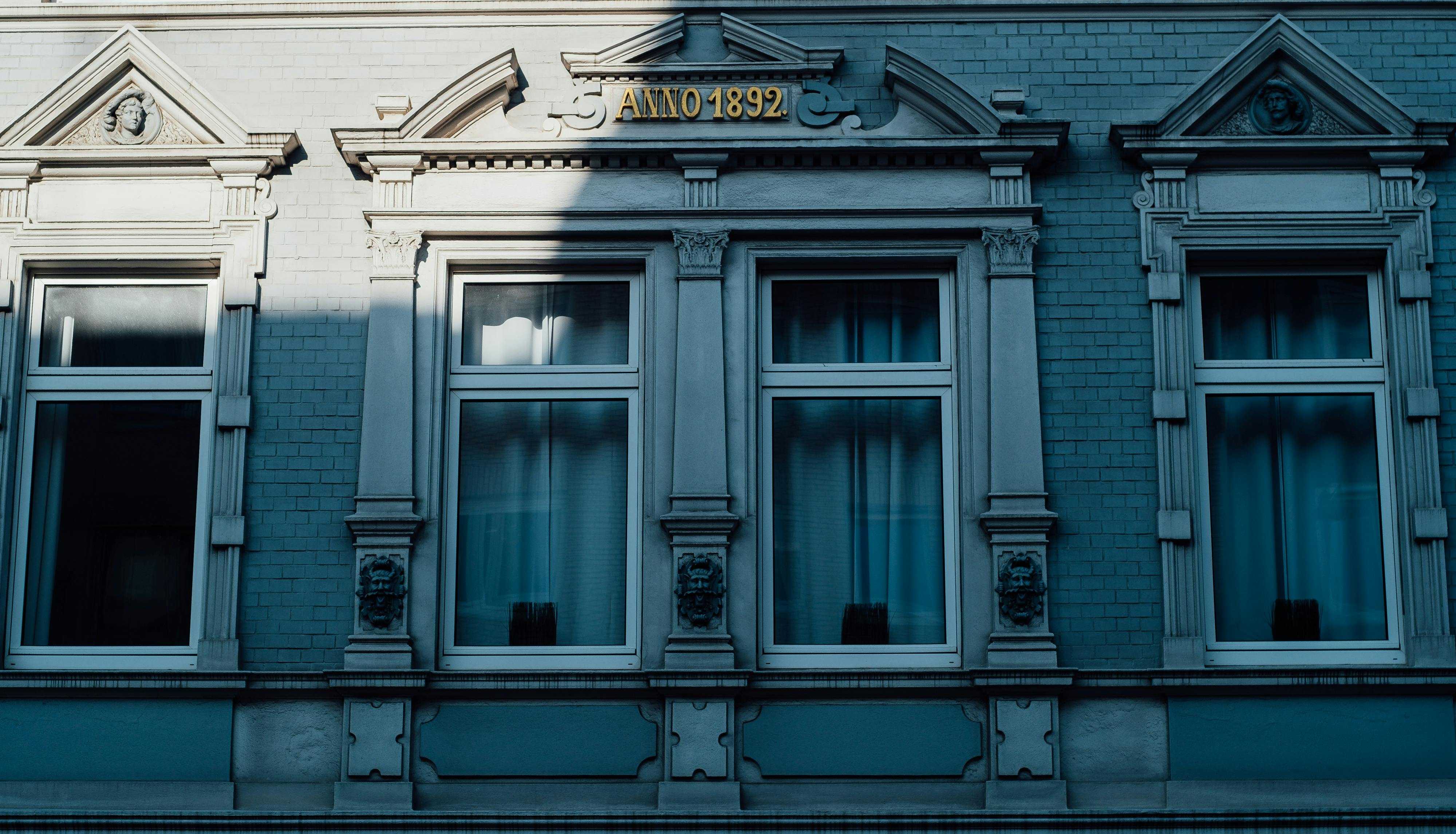
  2. Architecture: Düsseldorf boasts a mix of modern and historic architecture, with buildings ranging from sleek contemporary structures to charming old town houses. The city's skyline is particularly impressive along the banks of the Rhine River.

  3. Shopping: Düsseldorf is a shopper's paradise, with a mix of high-end designer boutiques, department stores, and unique local shops. The Königsallee, known as the "Kö," is a famous shopping street lined with luxury brands.

  4. Food and Drink: Düsseldorf is home to a diverse culinary scene, with a wide range of restaurants offering traditional German cuisine, international fare, and innovative gastronomic experiences. Don't miss trying the local specialty, Düsseldorf mustard.

  5. Festivals and Events: The city hosts a variety of festivals and events throughout the year, including the famous Rhine Carnival, Japan Day, and the Christmas market. These events offer a glimpse into the local culture and traditions.

  6. Parks and Green Spaces: Düsseldorf is known for its beautiful parks and green spaces, such as the Hofgarten and the Rheinpark. These tranquil oases provide a peaceful escape from the hustle and bustle of the city.

Overall, Düsseldorf offers a mix of culture, history, shopping, dining, and outdoor activities, making it a great destination for travelers looking to experience the best of Germany.

What to know

There are a few potential cons to traveling to Düsseldorf, Germany. Some of these may include:

  1. Weather: Düsseldorf experiences a relatively mild climate, but it can be unpredictable with frequent rain showers and cooler temperatures, especially in the winter months. Travelers should be prepared for varying weather conditions.

  2. Language Barrier: While many people in Düsseldorf speak English, the primary language is German. Travelers who do not speak German may encounter some challenges communicating with locals or navigating the city.

  3. Cost of Living: Düsseldorf is known to be one of the more expensive cities in Germany. Travelers may find that accommodation, dining, and transportation costs are higher compared to other cities in the country.

  4. Crowds: Düsseldorf is a popular tourist destination, especially during events like the Christmas markets and the annual carnival celebrations. Visitors should be prepared for larger crowds and potential lines at popular attractions.

  5. Limited Public Transportation: While Düsseldorf has a well-developed public transportation system, it may not be as extensive as in some other major European cities. Travelers may find it necessary to rely more on taxis or walking to get around the city.

Overall, Düsseldorf is a vibrant and culturally rich city with plenty to offer visitors. While there are some potential cons to traveling there, with proper planning and preparation, travelers can have a wonderful experience exploring all that Düsseldorf has to offer.

Düsseldorf, the capital city of the German state of North Rhine-Westphalia, has a rich and varied history that dates back to the early Middle Ages. Here's a detailed account of its historical development:

Early History

  • First Mention: Düsseldorf was first mentioned in historical records in 1135 as "Dusseldorp," a small settlement on the banks of the River Düssel, which flows into the larger Rhine River.
  • City Rights: In 1288, Düsseldorf was granted city rights by the Count of Berg after the Battle of Worringen, which also marked the rise of the city as a regional power.

The Duchy of Berg

  • As the capital of the Duchy of Berg, Düsseldorf began to grow in importance. During the 14th and 15th centuries, the city expanded and fortified itself.
  • St. Lambertus Church: One of the city's oldest churches, St. Lambertus, was built in the 14th century and remains a key landmark.

The Renaissance and Baroque Periods

  • Under the rule of the Electors of the Palatinate, particularly during the reign of Elector Johann Wilhelm (Jan Wellem), Düsseldorf experienced a cultural and architectural flourishing. Jan Wellem's marriage to Anna Maria Luisa de' Medici brought Italian influences to the region.
  • Schloss Benrath: A beautiful Baroque palace built in the 18th century, it is one of Düsseldorf's most significant historical landmarks.

Industrialization and the 19th Century

  • The 19th century saw Düsseldorf become an industrial and economic hub, particularly after the construction of the railway and the expansion of its port facilities on the Rhine.
  • The city also became known for its art academy, the Kunstakademie Düsseldorf, which attracted artists from across Europe.

World War II and Reconstruction

  • Düsseldorf suffered extensive damage during World War II due to Allied bombings, which destroyed much of its historical architecture.
  • The post-war period was one of rapid reconstruction and economic growth, with the city emerging as a major center for trade, banking, and administration in West Germany.

Modern Düsseldorf

  • Königsallee: Known as "Kö," this upscale shopping street is one of the city's most famous modern landmarks.
  • MedienHafen: Düsseldorf's harbor area has been transformed into a center for media and creative industries, featuring contemporary architecture by renowned architects like Frank Gehry.

Cultural and Civic Life

  • Düsseldorf hosts numerous cultural events, such as the famous Karneval, and is home to several museums and galleries, including the Kunstsammlung Nordrhein-Westfalen.
  • Rheinturm: This telecommunications tower offers panoramic views of the city and is a symbol of modern Düsseldorf.

Significant Historical Figures

  • Heinrich Heine: Born in Düsseldorf in 1797, he became one of Germany's most famous poets.
  • Peter Paul Rubens: Although not born in Düsseldorf, Rubens worked in the city, and his influence on the local art scene was significant.

Düsseldorf today is a vibrant, cosmopolitan city that balances its rich historical heritage with modern innovation and cultural dynamism.