
Top hotels & flights
Hand-picked stays and the best fares into Duderstadt.
Top Hotels in Duderstadt
Top Flights to Duderstadt
Location videos
Real reels from travelers, plus longer watches to get the full picture.
Practical info
The essentials for planning your time in Duderstadt.


Local guide
What travelers love, what to watch for, and a deeper read on Duderstadt.
What people love
Duderstadt, located in Lower Saxony, Germany, offers several pros for travelers:
-
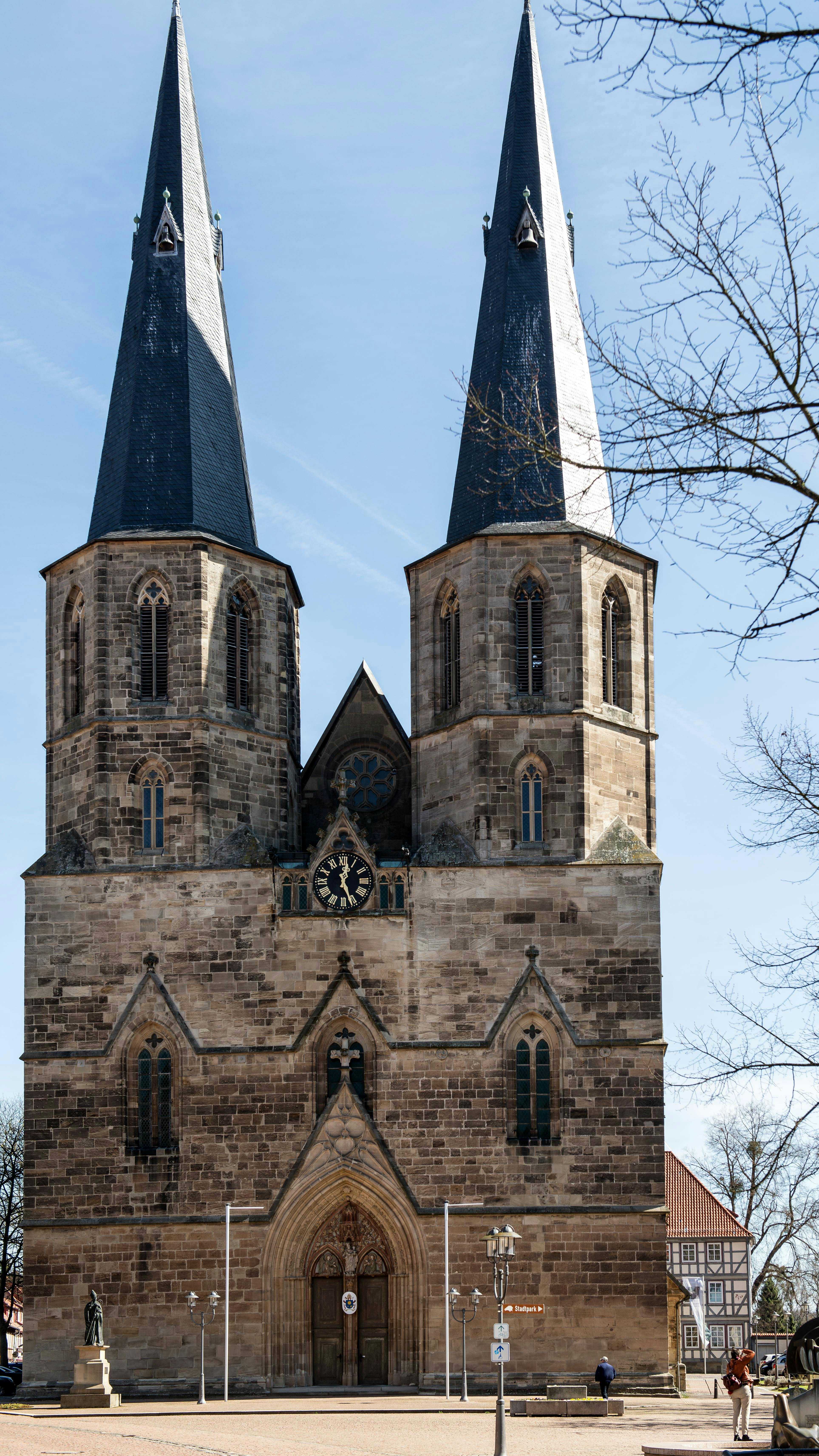
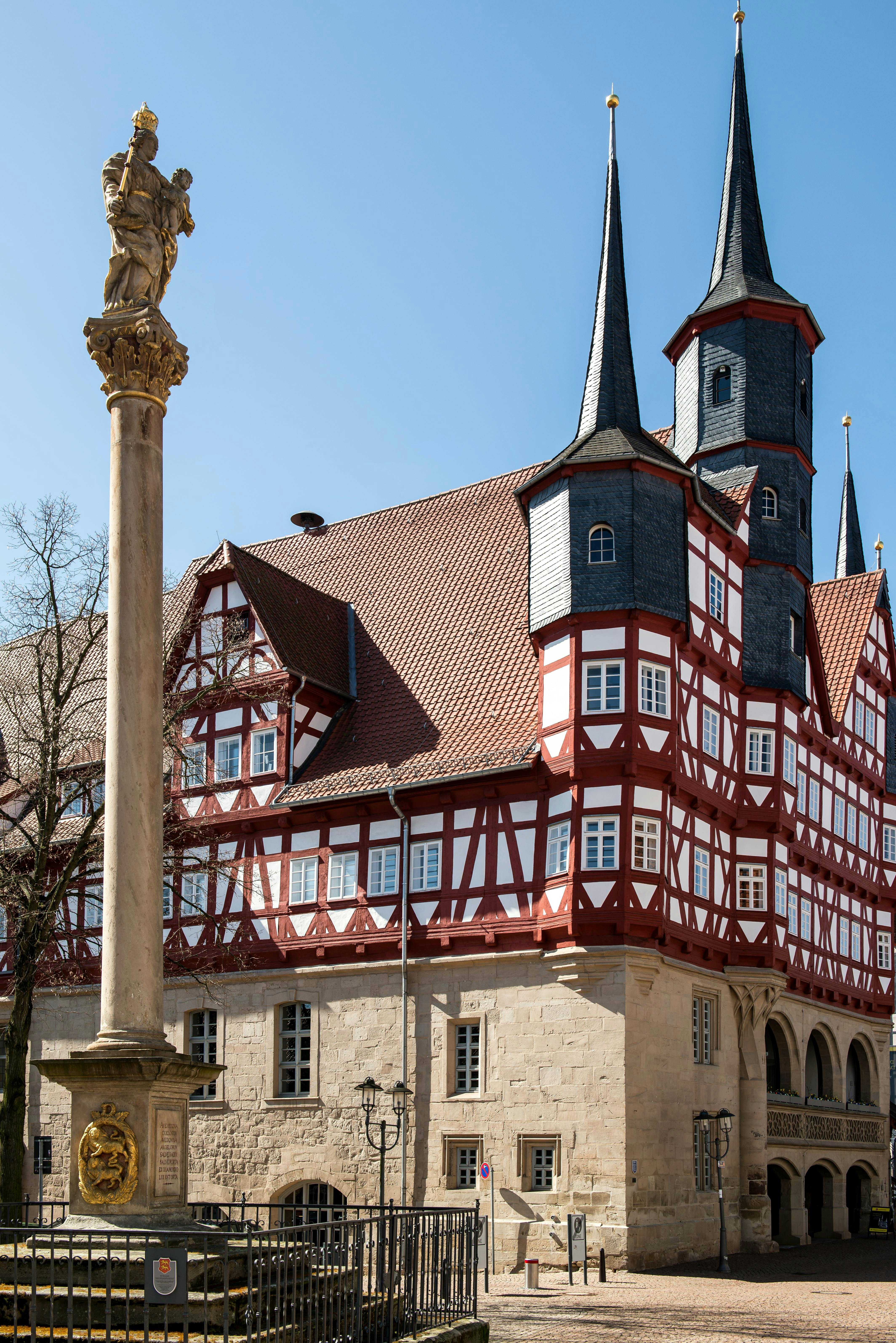
Rich history: Duderstadt is a well-preserved medieval town with a history dating back over a thousand years. Travelers can explore the town's historic architecture, including its timber-framed houses, medieval city walls, and churches such as St. Cyriakus Church.
-
Cultural attractions: The town has a vibrant cultural scene with museums, art galleries, and theaters. Visitors can immerse themselves in the local culture by attending concerts, exhibitions, and traditional festivals.
-
Scenic surroundings: Duderstadt is surrounded by picturesque landscapes, including rolling hills, forests, and charming villages. Nature lovers can enjoy hiking, cycling, and other outdoor activities in the beautiful countryside.
-
Culinary delights: The region is known for its delicious local cuisine, including traditional dishes such as bratwurst, schnitzel, and apple strudel. Travelers can savor authentic German flavors at local restaurants and cafes.
-
Convenient location: Duderstadt is well-connected by road and rail, making it easy to reach from major cities such as Hanover and Göttingen. The town's central location also makes it a great base for exploring other attractions in Lower Saxony.
Overall, Duderstadt offers a mix of history, culture, natural beauty, and culinary experiences, making it a charming destination for travelers seeking an authentic German experience.
What to know
Duderstadt, located in Lower Saxony, Germany, is a charming medieval town with a rich history and picturesque architecture. However, like any destination, there are some potential cons to consider when traveling to Duderstadt:
-
Limited transportation options: Duderstadt is a small town, and while it has a train station and bus connections, the transportation options within the town itself may be limited. This could make it challenging to explore the surrounding areas without a car.
-
Limited nightlife and entertainment options: Duderstadt is a quiet town, so if you're looking for a vibrant nightlife scene or a wide range of entertainment options, you may find it lacking in comparison to larger cities.
-
Language barrier: While many residents in Duderstadt may speak English, especially in tourist areas, you may still encounter language barriers, particularly if you venture off the beaten path or interact with locals who do not speak English fluently.
-
Limited shopping opportunities: Duderstadt is not known for its shopping scene, so if you're interested in shopping for high-end fashion or a wide variety of stores, you may need to travel to nearby cities like Göttingen or Kassel.
-
Seasonal considerations: Duderstadt, like many European destinations, experiences distinct seasons. If you're not a fan of cold weather, you may want to avoid traveling to Duderstadt in the winter months when temperatures can be chilly.
Overall, while Duderstadt has its unique charm and attractions, it may not be the ideal destination for travelers seeking a bustling urban environment or a wide range of modern amenities.