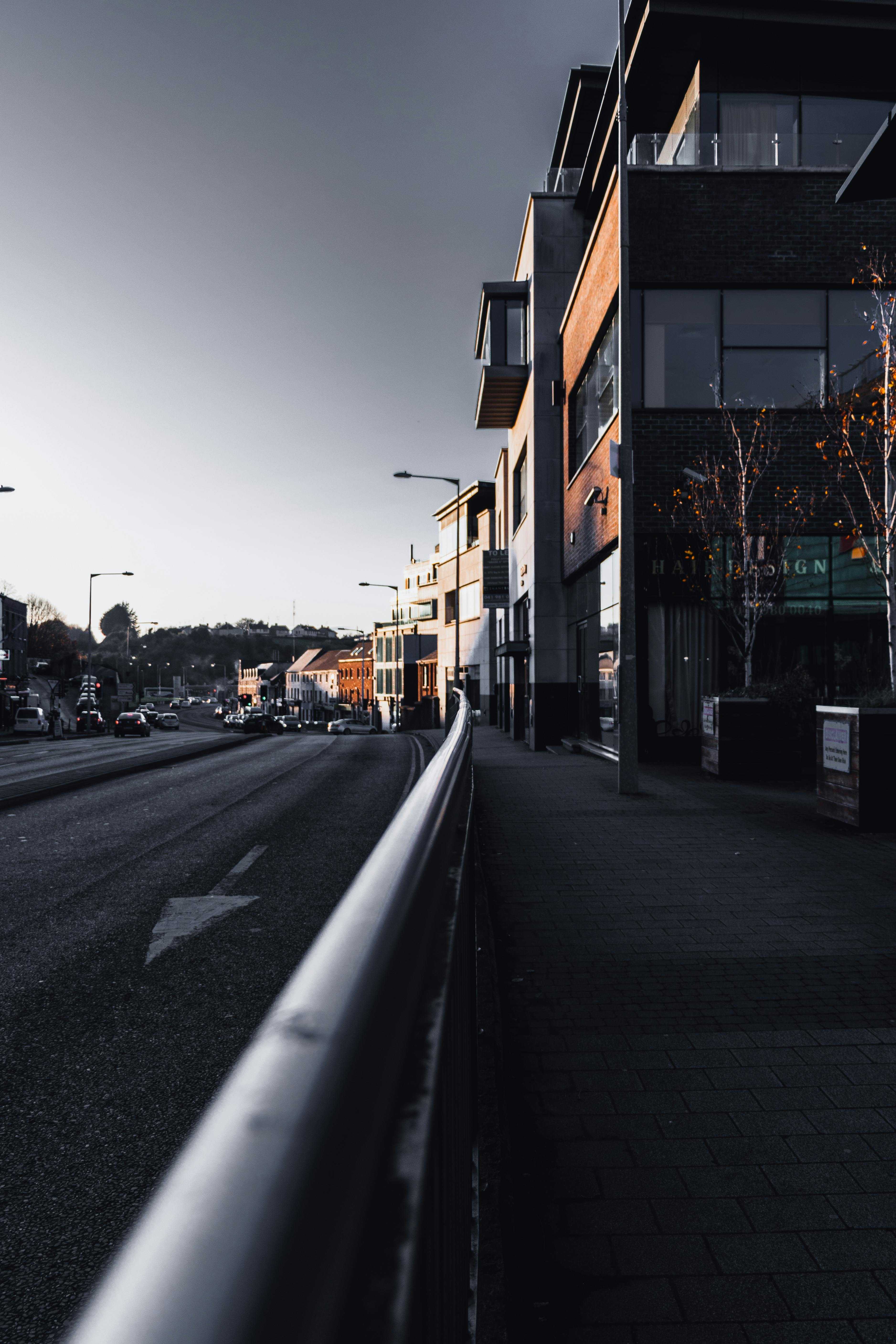

Drogheda
· IE

Drogheda

Drogheda, Louth, Ireland

Drogheda, located in County Louth, Ireland, is a charming town that seamlessly blends history, culture, and modern amenities, making it a must-visit destination for any traveler. Steeped in rich history dating back to th…

#Historic town#River Boyne#Medieval architecture#Cultural heritage#Irish countryside
1/1

Top hotels & flights

Hand-picked stays and the best fares into Drogheda.

Top Hotels in Drogheda

Top Flights to Drogheda

Location videos

Real reels from travelers, plus longer watches to get the full picture.

From travelers

Practical info

The essentials for planning your time in Drogheda.

Currency
€ | EUR | Euro
Population
42,000
Languages
English, Irish, English
Average weather
Drogheda
Jan
rain
7°2°
Feb
rain
8°2°
Mar
cloud
10°3°
Apr
cloud
12°4°
May
cloud
15°7°
Jun
sun
18°10°
Jul
sun
20°12°
Aug
sun
20°12°
Sep
cloud
17°10°
Oct
rain
14°8°
Nov
rain
10°4°
Dec
rain
8°3°

Local guide

What travelers love, what to watch for, and a deeper read on Drogheda.

What people love

Drogheda, located in Louth, Ireland, offers several pros for travelers:

  1. Rich history: Drogheda has a long and fascinating history, with many historical sites and monuments to explore. Visitors can learn about the town's past through attractions such as the Millmount Museum, St. Laurence's Gate, and the Highlanes Gallery.

  2. Friendly locals: Visitors to Drogheda often praise the warm and welcoming nature of the locals, making it a pleasant place to interact with residents and learn about the local culture.

  3. Convenient location: Drogheda is conveniently located between Dublin and Belfast, making it a great base for exploring both cities as well as the surrounding Boyne Valley area.

  4. Vibrant arts scene: Drogheda has a vibrant arts and culture scene, with regular events, exhibitions, and performances held throughout the town. Visitors can enjoy live music, theater, and art shows during their stay.

  5. Outdoor activities: The surrounding area of Drogheda offers plenty of opportunities for outdoor activities such as hiking, cycling, and fishing. Visitors can explore the nearby Boyne River and its picturesque surroundings.

Overall, Drogheda offers a mix of history, culture, and outdoor activities, making it a great destination for travelers looking to experience the best of Ireland.

What to know

Drogheda, located in Louth, Ireland, is a beautiful and historic town with much to offer visitors. However, like any destination, there are some potential cons to consider when traveling there:

  1. Weather: Ireland is known for its unpredictable weather, with frequent rain and cool temperatures. Be prepared for changing weather conditions, especially if you are visiting Drogheda during the winter months.

  2. Crowds: Drogheda is a popular destination, especially during peak tourist seasons. This can result in crowded attractions, restaurants, and accommodations. If you prefer a quieter travel experience, you may want to consider visiting during the off-peak season.

  3. Tourist traps: Like many tourist destinations, Drogheda may have some tourist traps where prices are inflated and the quality of products or services may not meet expectations. It's always a good idea to research and read reviews before making any purchases or bookings.

  4. Transportation: While Drogheda is well-connected by public transportation, getting around the town and its surrounding areas may require some planning. Renting a car or using a combination of buses and trains may be necessary to explore the region fully.

  5. Limited nightlife: Drogheda is a smaller town compared to larger cities in Ireland, so the nightlife options may be more limited. If you are looking for a vibrant nightlife scene, you may need to travel to nearby cities like Dublin.

Overall, Drogheda is a charming town with a rich history and welcoming locals. By being aware of these potential cons and planning accordingly, you can have a wonderful and memorable travel experience in Drogheda.

Drogheda is a historically rich town located in County Louth, Ireland. Its history stretches back over a thousand years, and it has played a significant role in Irish history.

Early History: Drogheda's name comes from the Irish "Droichead Átha," meaning "Bridge of the Ford." The town's origins can be traced back to the Norse era, with evidence of settlements as early as the 10th century. However, it was in the 12th century that Drogheda began to take shape as a significant settlement.

Medieval Era: In the 12th century, the Normans, under the leadership of Hugh de Lacy, established a fortification in Drogheda. The town was granted its charter in 1194 by Prince John, who later became King John of England. Drogheda's strategic location on the River Boyne made it an important trading hub during the medieval period.

The Battle of the Boyne: One of the most significant historical events associated with Drogheda is the Battle of the Boyne, which took place in 1690. Although the battle occurred several kilometers from the town, Drogheda served as a pivotal supply base for the forces of King William III.

The Siege of Drogheda: Another significant event was the Siege of Drogheda in 1649 during the Irish Confederate Wars. Oliver Cromwell, the English military and political leader, led his troops to a decisive and brutal victory over the Royalist forces defending the town. The siege is infamous for the massacre that followed, where Cromwell's forces killed many of the town's defenders and inhabitants.

19th and 20th Centuries: Drogheda continued to develop during the 19th century with the arrival of the railway and the construction of the Boyne Viaduct in 1855, which improved trade and transportation links. In the 20th century, Drogheda became known for its industrial activities, particularly in textiles and brewing.

Landmarks:

  • St. Laurence's Gate: One of the best-preserved barbicans in Europe, this medieval gate is a remnant of the walled town of Drogheda.
  • St. Peter's Church: Known for housing the shrine of St. Oliver Plunkett, whose head is preserved in a glass case.
  • Millmount Fort: An ancient fort that overlooks the town and the River Boyne, it has been a strategic site for centuries and now houses a museum.
  • The Boyne Viaduct: An impressive railway bridge that was a marvel of engineering when it was completed in the mid-19th century.

Historical Figures:

  • St. Oliver Plunkett: An important figure in Irish history, he was the Roman Catholic Archbishop of Armagh and Primate of All Ireland. He was executed in 1681 and later canonized as a saint.
  • Hugh de Lacy: A significant Norman lord who played a crucial role in the early development of Drogheda.

Today, Drogheda is a vibrant town that combines its rich historical legacy with modern development, making it a fascinating place to explore for both its past and present.