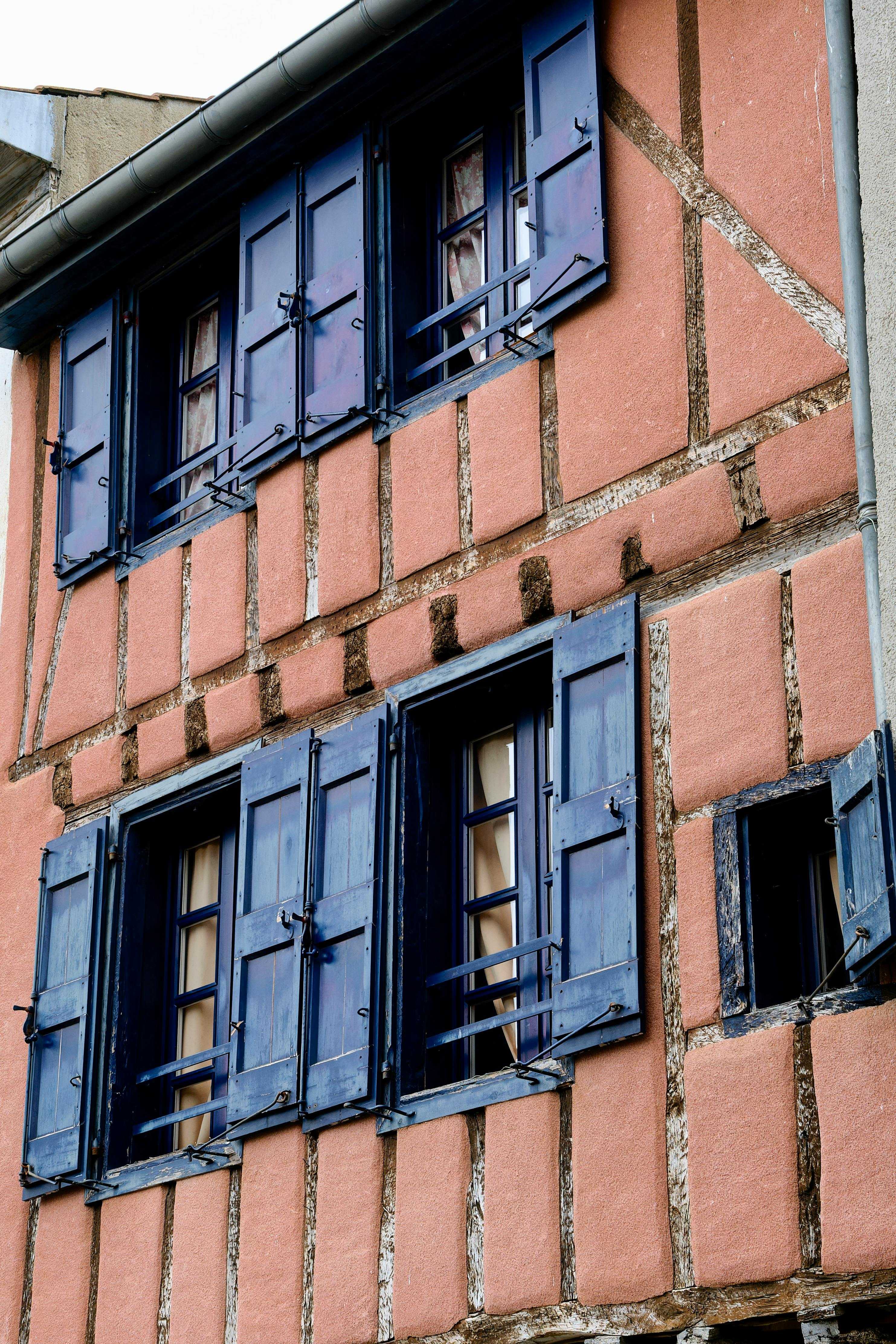
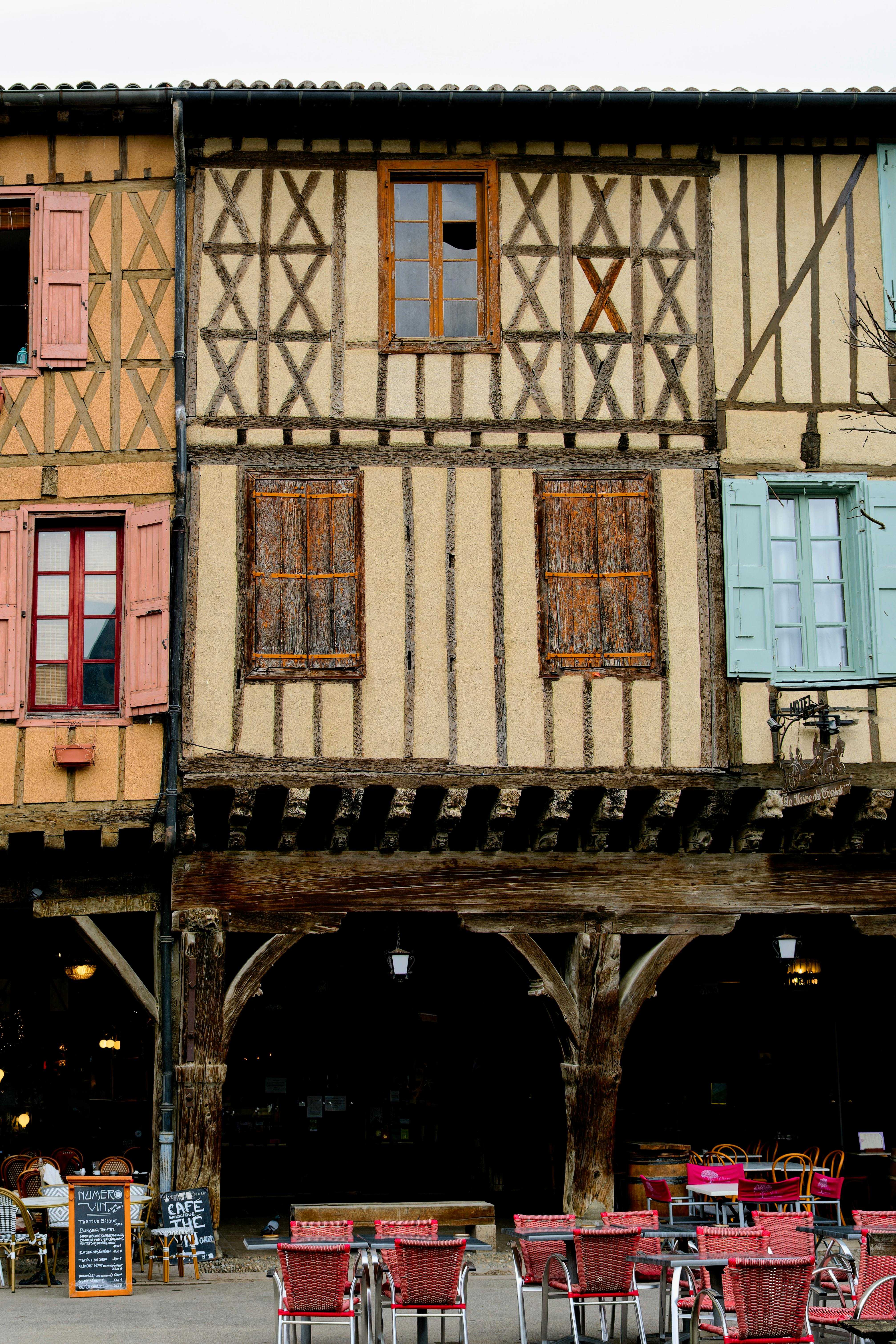
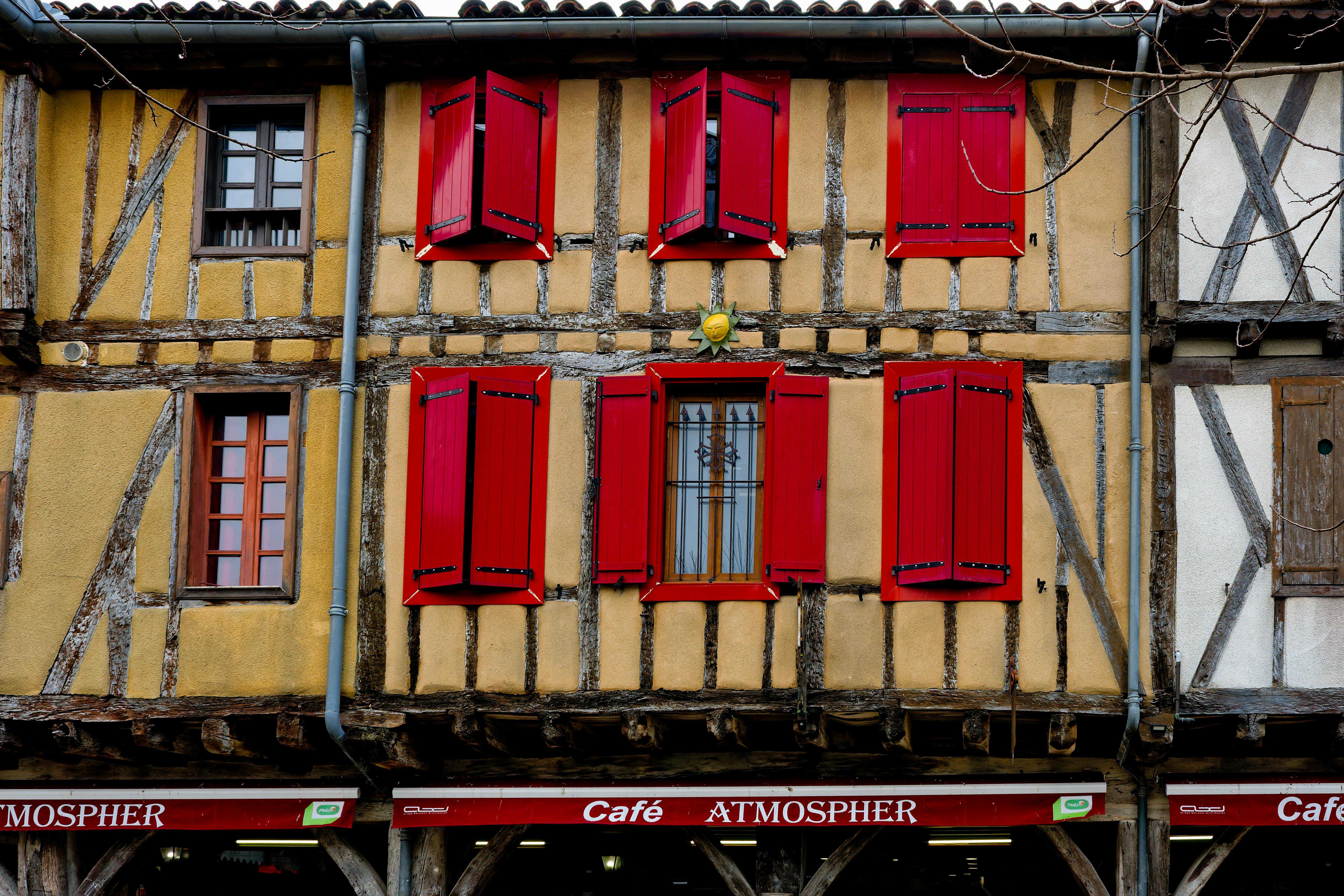
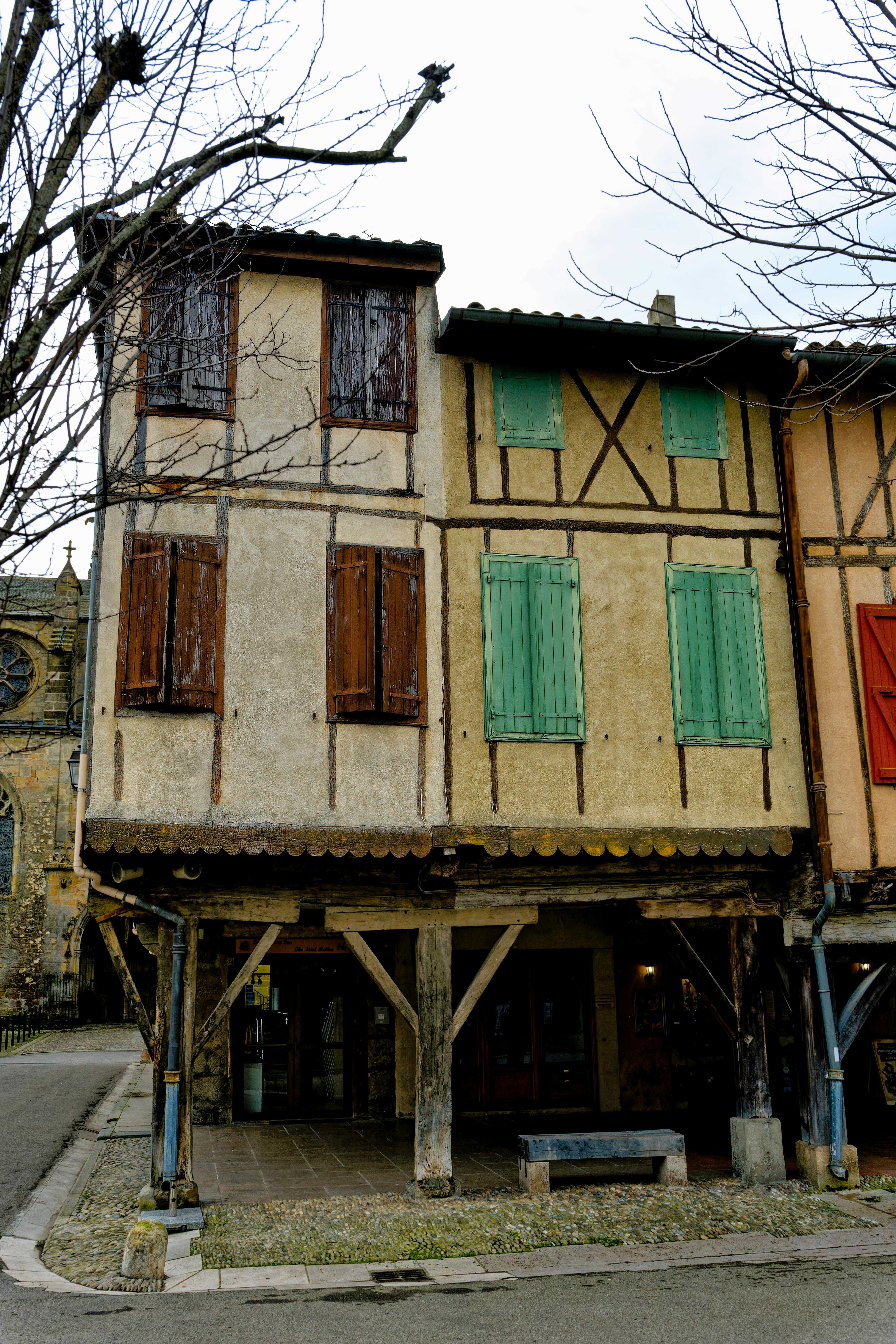

Douai
· FR

Douai

Douai, Hauts-de-France, France

Situated in the picturesque region of Hauts-de-France, France, Douai is a charming town that beautifully blends history, culture, and modernity. Steeped in rich historical significance, Douai offers a fascinating glimpse…

#Historic city#Cultural heritage#Medieval architecture#Museums#Northern France
1/4

Top hotels & flights

Hand-picked stays and the best fares into Douai.

Top Hotels in Douai

Top Flights to Douai

Practical info

The essentials for planning your time in Douai.

Currency
€ | EUR | Euro
Population
Not Available
Languages
French, French, Picard
Average weather
Douai
Jan
cold
6°1°
Feb
cold
7°1°
Mar
cloud
11°3°
Apr
cloud
14°5°
May
rain
18°9°
Jun
sun
21°12°
Jul
sun
24°14°
Aug
sun
24°14°
Sep
cloud
20°11°
Oct
rain
15°8°
Nov
cloud
10°4°
Dec
cold
7°2°

Local guide

What travelers love, what to watch for, and a deeper read on Douai.

What people love

Douai, located in Hauts-de-France, France, has several benefits for travelers:

  1. Rich history and architecture: Douai boasts a rich history, dating back to the Middle Ages. Visitors can explore architectural gems such as the belfry of Douai, a UNESCO World Heritage Site, as well as the impressive Town Hall and the Collégiale Saint-Pierre.

  2. Cultural attractions: The city is home to several museums, including the Musée de la Chartreuse, which houses a diverse collection of art and artifacts. Additionally, Douai hosts various cultural events and festivals throughout the year, providing visitors with a glimpse into local traditions and customs.

  3. Gastronomic delights: Douai offers a variety of culinary experiences, with traditional French cuisine served in cozy bistros and restaurants. Visitors can sample local specialties such as Flemish beef stew, chicory tarts, and regional cheeses.

  4. Convenient location: Douai is well-connected by public transportation, making it easy to explore other nearby destinations in Hauts-de-France, such as Lille, Arras, and Valenciennes. The city is also strategically located for day trips to Belgium and other parts of northern France.

Overall, Douai offers a mix of history, culture, and gastronomy, making it a charming destination for travelers seeking an authentic French experience.

What to know

Some potential cons of traveling to Douai, located in Hauts-de-France, France, include:

  1. Limited tourist attractions: Douai may not have as many tourist attractions or activities compared to larger cities in France, which could limit the options for sightseeing and entertainment.

  2. Language barrier: While many people in Douai may speak English, the primary language spoken in the region is French. Travelers who do not speak French may experience challenges with communication.

  3. Weather: The weather in Douai can be quite variable, with cold winters and mild summers. Travelers may need to pack accordingly to be prepared for changing weather conditions.

  4. Limited transportation options: Douai may have limited public transportation options compared to larger cities, which could make it more challenging to get around the area.

  5. Limited dining options: While Douai may have some local restaurants and cafes, the selection of dining options could be more limited compared to larger cities, especially for travelers with specific dietary preferences.

Overall, Douai may not offer the same level of amenities and attractions as more popular tourist destinations in France, so travelers looking for a bustling city with a wide range of activities may find Douai to be less appealing.

Douai is a town located in the Hauts-de-France region in northern France, known for its rich history and cultural heritage. Here's a detailed history of Douai:

Early History

  • Medieval Period: Douai's history can be traced back to the Roman era, but it gained prominence in the Middle Ages. It was part of the County of Flanders and was known for its strategic location and its role as a flourishing trading center. Due to its location, it was often caught in the conflicts between France and the Holy Roman Empire.

16th - 18th Centuries

  • Spanish Netherlands: In the 16th century, Douai became part of the Spanish Netherlands. It was during this period that Douai developed culturally and economically, benefiting from the patronage of the Spanish crown.

  • Douai University: In 1562, the University of Douai was founded by Philip II of Spain, which became an important center for Catholic education and played a significant role during the Counter-Reformation.

  • French Control: In 1667, Douai was captured by the French under Louis XIV during the War of Devolution and was officially ceded to France by the Treaty of Aix-la-Chapelle in 1668.

19th Century

  • Industrial Revolution: Douai became known for coal mining, benefiting from the industrial boom in the region. This brought economic prosperity and growth to the town.

20th Century

  • World Wars: Douai experienced significant damage during both World War I and World War II. During World War I, it was occupied by German forces, and many of its historic buildings were damaged or destroyed.

  • Post-War Reconstruction: After the wars, Douai underwent extensive reconstruction and modernization efforts to restore its historical architecture and infrastructure.

Important Landmarks

  • Belfry of Douai: One of the most notable landmarks, the Belfry of Douai is a UNESCO World Heritage Site. It dates back to the 14th century and is famous for its carillon of 62 bells.

  • Church of Notre-Dame: This Gothic-style church dates back to the 13th century and is noted for its impressive architecture and historical significance.

  • Palais de Justice: The former convent of the Annonciades, it now serves as the courthouse and is an example of classical architecture.

  • Musée de la Chartreuse: Housed in a former Carthusian monastery, this museum contains collections of European paintings, sculptures, and archaeological artifacts.

Modern Douai

Today, Douai is known for its educational institutions and as an administrative center. It continues to celebrate its rich history through various cultural events and maintains its legacy as a historic town with a blend of medieval and modern influences.

Through its history, Douai has been a witness to significant European events and has contributed to cultural and educational advancements in the region.