





Top hotels & flights
Hand-picked stays and the best fares into Dole.
Top Hotels in Dole
Top Flights to Dole
Location videos
Real reels from travelers, plus longer watches to get the full picture.
Practical info
The essentials for planning your time in Dole.


Local guide
What travelers love, what to watch for, and a deeper read on Dole.
What people love
Dole, located in Bourgogne-Franche-Comté, France, offers several advantages for travelers:
-
Rich history: Dole is a town with a long and fascinating history, dating back to medieval times. Visitors can explore historic sites such as the Collégiale Notre-Dame, the birthplace of Louis Pasteur, and the Hôtel-Dieu.
-
Charming architecture: The town is known for its beautiful architecture, with well-preserved buildings from different periods, including Renaissance and Baroque styles. Walking through the streets of Dole is like stepping back in time.
-
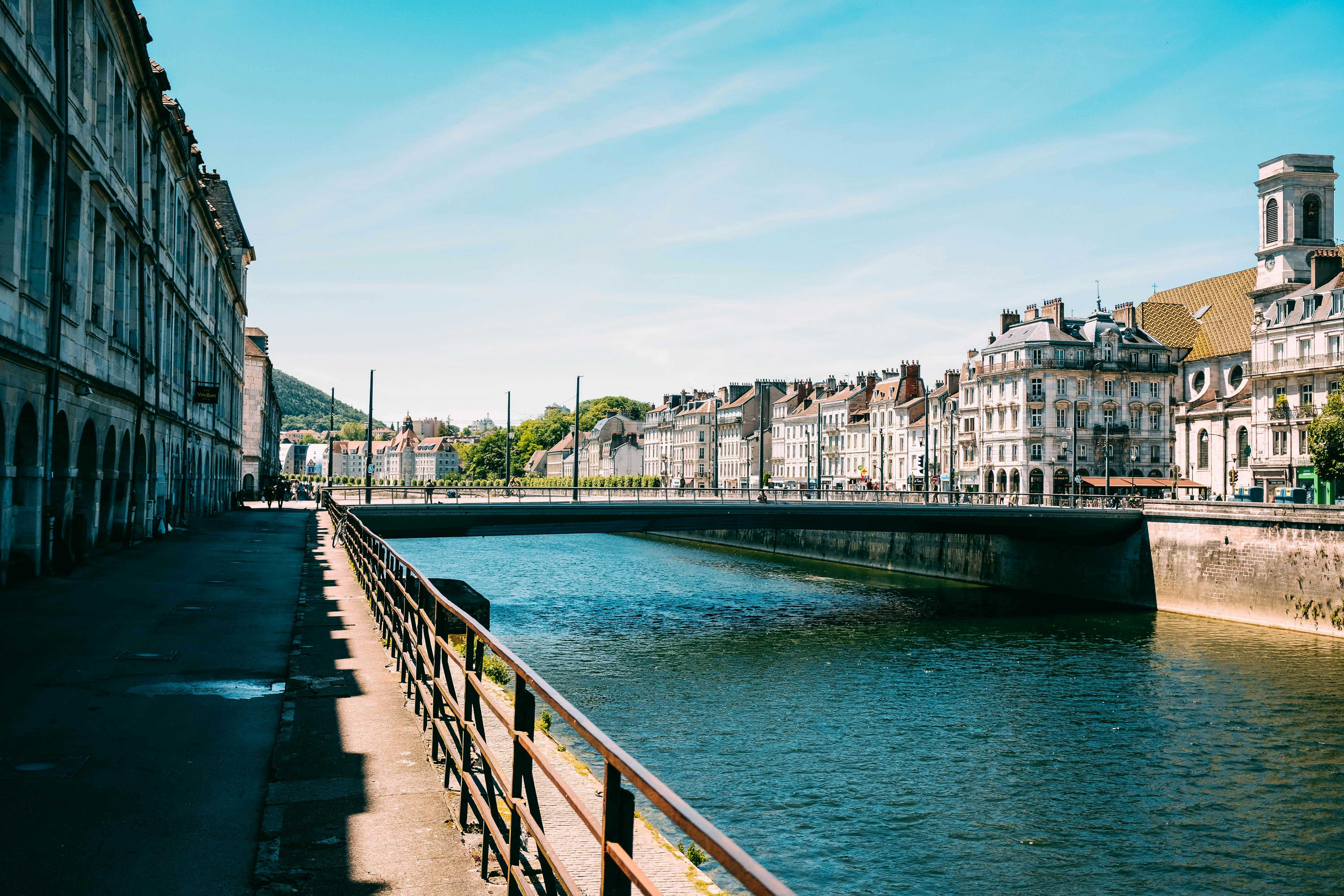
Scenic surroundings: Dole is situated in a picturesque setting, surrounded by lush greenery and the Doubs River. Visitors can enjoy peaceful walks along the riverbanks or take a boat cruise to admire the natural beauty of the region.
-
Culinary delights: Bourgogne-Franche-Comté is renowned for its delicious cuisine, and Dole is no exception. Visitors can sample local specialties such as Comté cheese, Jura wines, and regional dishes like coq au vin and boeuf bourguignon.
-
Festivals and events: Dole hosts various festivals and events throughout the year, celebrating its cultural heritage and traditions. Visitors can participate in local festivities, markets, and concerts to experience the vibrant atmosphere of the town.
Overall, traveling to Dole offers a blend of history, culture, natural beauty, and gastronomic delights, making it a rewarding destination for tourists seeking an authentic French experience.
What to know
Traveling to Dole, located in the Bourgogne-Franche-Comté region of France, can be a charming experience given its historical significance and picturesque setting. However, there are a few potential drawbacks or cons that travelers might consider:
-
Limited Major Attractions: While Dole is a quaint and historic town, it might not have the same level of major attractions or activities compared to larger cities or more famous tourist destinations in France. Visitors looking for a bustling nightlife or large-scale entertainment might find it lacking.
-
Public Transport Limitations: Being a smaller town, public transportation options might be limited compared to larger cities. This could make it more challenging for travelers who rely on public transport to explore the area extensively.
-
Language Barrier: As with many smaller towns in France, English might not be as widely spoken as in bigger cities. This could pose a challenge for travelers who do not speak French, especially when interacting with locals or navigating services.
-
Seasonal Variability: Depending on the time of year, Dole might experience significant seasonal variations. Some attractions or services might be limited in the off-season, and the weather could impact travel plans.
-
Limited Nightlife and Dining Options: While Dole offers charming local dining experiences, the variety of international cuisines or lively nightlife options might be limited compared to a larger urban center.
-
Accommodation Choices: The range and variety of accommodations might be more limited compared to larger tourist destinations. This could affect travelers looking for specific types of lodging, such as luxury hotels or budget hostels.
Overall, while Dole offers a unique and authentic French experience, it might not meet the expectations of travelers seeking a more vibrant or cosmopolitan environment.