
Dijon
· FR

Dijon

Dijon, Bourgogne-Franche-Comte, France

Dijon: Mustard, Medieval Charm, and Magnificent Architecture Dijon, nestled in the heart of the Burgundy wine region, is a city that effortlessly blends medieval charm with modern sophistication. Wander through cobblest…

#Dijon#Bourgogne-Franche-Comté#France#Historic#Culinary
1/8

Top hotels & flights

Hand-picked stays and the best fares into Dijon.

Top Hotels in Dijon

Top Flights to Dijon

Location videos

Real reels from travelers, plus longer watches to get the full picture.

From travelers
Watch & explore

Practical info

The essentials for planning your time in Dijon.

Currency
€ | EUR | Euro
Population
Information not available.
Average weather
Dijon
Jan
cold
4°-1°
Feb
cold
6°0°
Mar
cloud
11°2°
Apr
cloud
15°5°
May
rain
19°9°
Jun
sun
23°13°
Jul
sun
26°15°
Aug
sun
26°14°
Sep
cloud
21°11°
Oct
rain
15°7°
Nov
cloud
9°3°
Dec
cold
5°0°

Local guide

What travelers love, what to watch for, and a deeper read on Dijon.

What people love

Dijon, located in the Bourgogne-Franche-Comté region of France, has several pros for travelers:

  1. Rich history and culture: Dijon is known for its well-preserved historical sites, including the Palace of the Dukes of Burgundy and the Cathédrale Saint-Bénigne. The city also has a vibrant cultural scene, with museums, art galleries, and theaters to explore.

  2. Gastronomy: Dijon is famous for its culinary delights, particularly its mustard and wine. Visitors can enjoy tasting tours of local vineyards and sampling traditional Burgundian dishes at the city's restaurants and markets.

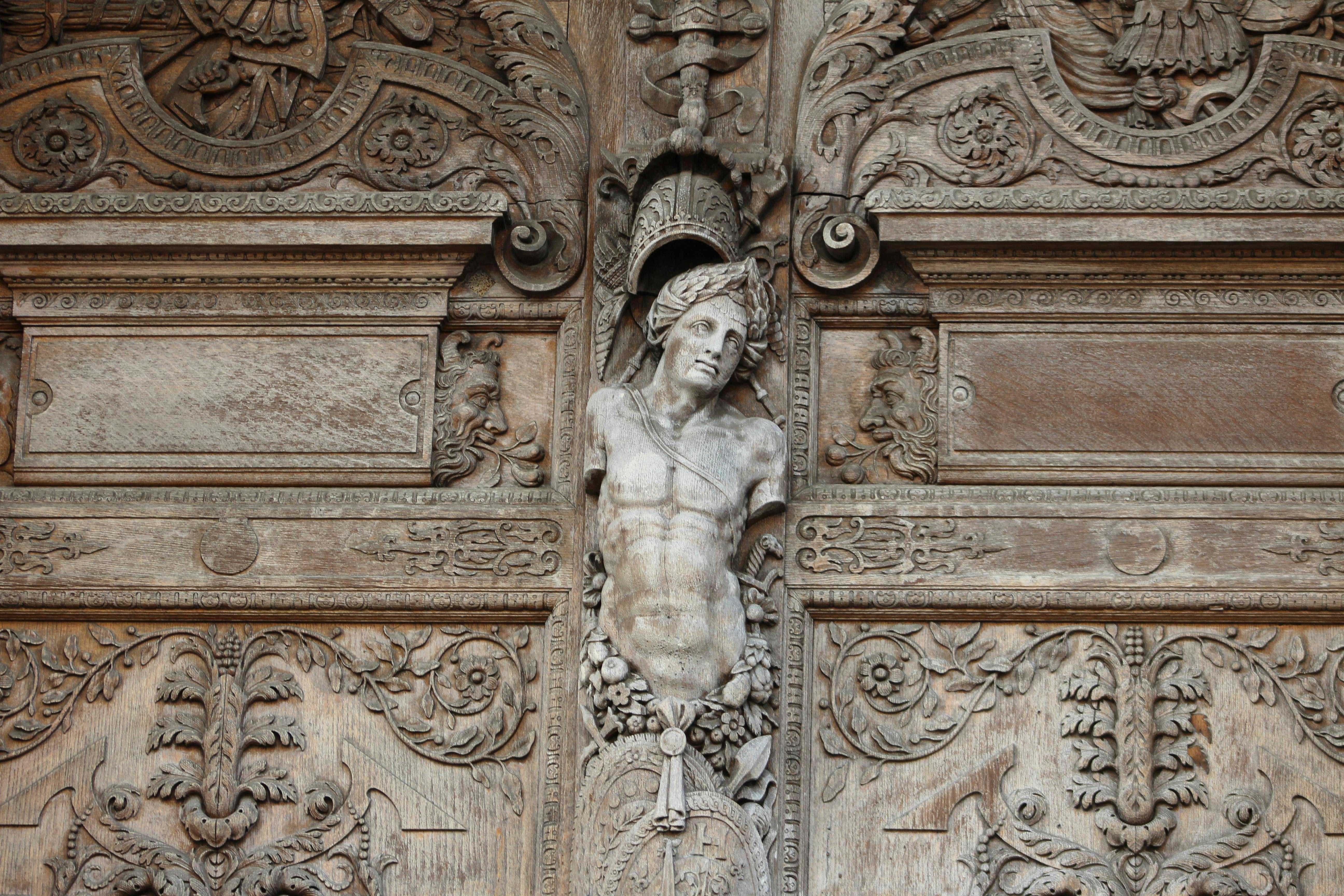
  3. Architecture: Dijon boasts a mix of architectural styles, from medieval to Renaissance to Baroque. The city's charming streets are lined with beautiful buildings, making it a picturesque destination for architecture enthusiasts.

  4. Shopping: Dijon is home to a variety of shops and boutiques, where visitors can find regional specialties such as mustard, wine, and other local products. The city also has a thriving market scene, with weekly markets selling fresh produce, crafts, and more.

  5. Access to the Burgundy region: Dijon serves as a gateway to the Burgundy region, known for its scenic vineyards, charming villages, and historic sites. Visitors can easily explore the surrounding countryside and other towns in Burgundy from Dijon.

Overall, traveling to Dijon offers a unique blend of history, culture, gastronomy, and natural beauty, making it a rewarding destination for travelers.

What to know

Some possible cons of traveling to Dijon, France, may include:

  1. Weather: Dijon experiences cold winters and hot summers, so travelers should be prepared for varying weather conditions depending on the time of year.

  2. Language barrier: While many people in Dijon may speak English, the primary language is French. Travelers who do not speak French may encounter communication challenges.

  3. Tourist crowds: Dijon is a popular tourist destination, especially during the peak tourist seasons. This can lead to crowded attractions and accommodations, as well as longer wait times at restaurants and cafes.

  4. Cost of living: As a popular tourist city, prices for accommodations, dining, and activities in Dijon may be higher compared to other destinations in France.

  5. Limited transportation options: While Dijon has a good public transportation system, travelers may find that some areas are best explored on foot. This could be a challenge for those with mobility issues.

Overall, Dijon is a beautiful and historic city with much to offer visitors. These potential cons should be considered when planning a trip to ensure a smooth and enjoyable experience.

Dijon is a city in eastern France, the capital of the Côte-d'Or département and of the Bourgogne-Franche-Comté region. It is historically significant as the former capital of the Duchy of Burgundy and is renowned for its mustard, gastronomy, and well-preserved architecture. Here is a detailed history of Dijon, including significant events, historical figures, and important landmarks:

Early History

  • Roman Era: Dijon, known as Divio in Roman times, was a small settlement on the road from Lyon to Mainz. It became more established in the 3rd century AD.
  • Middle Ages: As the Roman Empire declined, Dijon developed as a religious center with the establishment of the Diocese of Dijon around the 4th century.

The Duchy of Burgundy

  • 11th-15th Centuries: Dijon rose to prominence as the capital of the Duchy of Burgundy. Under the Valois Dukes, particularly from 1363 to 1477, it became one of the great centers of art, learning, and politics in medieval Europe.
  • Philip the Bold (1342-1404): The first Valois Duke of Burgundy, he transformed Dijon into a flourishing court.
  • John the Fearless (1371-1419): Continued the expansion and influence of the duchy.
  • Philip the Good (1396-1467): Under his reign, Dijon saw a golden age, with the duchy extending its influence across much of Europe.

Integration into France

  • 1477: After the death of Charles the Bold, the last Valois Duke, the Duchy of Burgundy was annexed by King Louis XI of France. Dijon then became part of the French kingdom.

Early Modern Period

  • 16th-18th Centuries: Dijon remained an important administrative and judicial center. The Parlement of Burgundy was established here, reinforcing its status.
  • The Renaissance: Dijon became known for its cultural vibrancy and was home to several notable intellectuals and artists.

French Revolution and 19th Century

  • 1789: The French Revolution brought political and social changes, and Dijon was affected by the nationwide upheaval.
  • 19th Century: The city underwent modernization, with the construction of new roads and the arrival of the railway, which connected Dijon to other major French cities.

20th Century to Present

  • World Wars: Dijon was occupied during World War II, but it emerged relatively unscathed compared to other French cities.
  • Post-War Period: The city experienced growth and modernization, maintaining its status as a regional capital.

Important Landmarks

  • Palace of the Dukes of Burgundy: A symbol of the city's historical significance, now housing the Musée des Beaux-Arts de Dijon.
  • Dijon Cathedral (Saint Bénigne): An architectural marvel of Gothic design.
  • Church of Notre-Dame of Dijon: Famous for its Jacquemart clock and a fine example of Burgundian Gothic architecture.
  • The Well of Moses: A masterpiece of medieval sculpture by Claus Sluter, located at the former Chartreuse of Champmol.

Cultural Legacy

  • Gastronomy: Dijon is famous for its mustard, as well as being a major center of Burgundy wine production.
  • UNESCO: The city center of Dijon is part of the "Climats, terroirs of Burgundy" UNESCO World Heritage Site, recognized for its historical importance in viticulture.

Dijon continues to be a vibrant city, balancing its rich historical legacy with modern development, making it a key cultural and economic hub in the region.