
Delmenhorst
· DE

Delmenhorst

Delmenhorst, Lower Saxony, Germany

Discover Delmenhorst: A Hidden Gem in Northern Germany Nestled in the heart of Lower Saxony, Delmenhorst offers a charming blend of history, culture, and natural beauty, making it an ideal destination for travelers seeki…

#Delmenhorst#Lower Saxony#Germany#European city#Historic landmarks
1/6

Top hotels & flights

Hand-picked stays and the best fares into Delmenhorst.

Top Hotels in Delmenhorst

Top Flights to Delmenhorst

Location videos

Real reels from travelers, plus longer watches to get the full picture.

From travelers
Watch & explore

Practical info

The essentials for planning your time in Delmenhorst.

Currency
€ | EUR | Euro
Population
77,000
Languages
German, Low German
Average weather
Delmenhorst
Jan
cold
3°-1°
Feb
cold
4°-1°
Mar
cloud
8°1°
Apr
cloud
12°4°
May
cloud
17°8°
Jun
sun
20°11°
Jul
sun
22°13°
Aug
sun
22°13°
Sep
cloud
18°10°
Oct
cloud
13°6°
Nov
rain
8°3°
Dec
cold
4°0°

Local guide

What travelers love, what to watch for, and a deeper read on Delmenhorst.

What people love

Delmenhorst, located in Lower Saxony, Germany, offers several advantages for travelers:

  1. Rich history: Delmenhorst has a long and fascinating history, with historical sites such as the Water Tower, the Old Town Hall, and the Church of St. John's providing a glimpse into the city's past.

  2. Green spaces: The city boasts several parks and green spaces, such as the Delmenhorst Town Park and the Graft Garden, where visitors can relax and enjoy nature.

  3. Cultural attractions: Delmenhorst is home to museums, galleries, and theaters, offering opportunities to explore German culture and art.

  4. Convenient location: Delmenhorst is located close to Bremen, making it easy to explore both cities during your visit.

  5. Shopping and dining: Delmenhorst offers a variety of shopping opportunities, from local markets to modern shopping centers. The city also has a diverse culinary scene, with restaurants serving traditional German cuisine as well as international dishes.

  6. Outdoor activities: The surrounding area of Delmenhorst offers opportunities for outdoor activities such as hiking, cycling, and water sports.

Overall, Delmenhorst provides a mix of history, culture, and natural beauty, making it a worthwhile destination for travelers.

What to know

Information not available.

Delmenhorst is a town in the northwestern part of Germany, located in the state of Lower Saxony. Its history is rich and reflects the broader historical developments of the region.

Early History:

  • The area around Delmenhorst has been inhabited since prehistoric times, but the first documented mention of the town dates back to 1254.
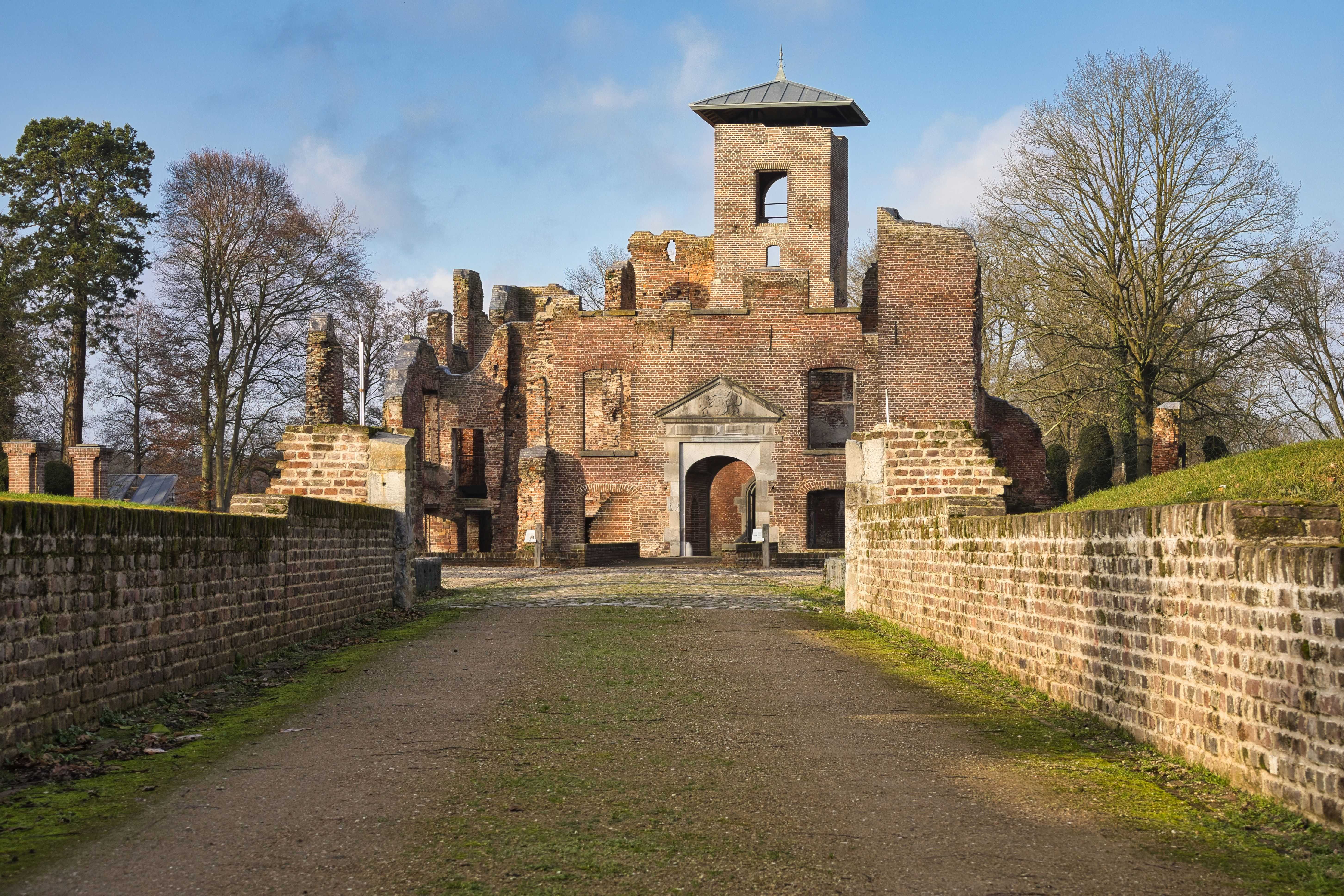
  • Delmenhorst developed around a castle built in the early 13th century by the Counts of Oldenburg. The castle was intended to secure their territory and control the trade routes.

Medieval Period:

  • In 1371, Delmenhorst received its town charter, which helped it to grow as a market town.
  • Throughout the late Middle Ages, Delmenhorst was often involved in regional conflicts, particularly due to its strategic location.

16th to 18th Century:

  • The Reformation reached Delmenhorst in the 16th century, and the town became predominantly Protestant.
  • The Thirty Years' War (1618-1648) had a significant impact on Delmenhorst, as it did on much of Germany. The town and its surroundings suffered from the war’s devastation.
  • In 1647, the castle was expanded and became the residence of the local rulers. However, it was demolished in the 18th century.

19th Century to World War I:

  • The Industrial Revolution brought economic changes to Delmenhorst. The town became known for its textile industry, which led to urban growth.
  • The introduction of the railway in the 19th century further spurred industrial development.

World War II:

  • During World War II, Delmenhorst was affected by the conflict, although it did not experience as much destruction as some other German cities.
  • After the war, Delmenhorst was part of the British occupation zone.

Post-war Period:

  • The post-war years saw significant rebuilding and economic recovery. Delmenhorst developed a diversified industrial base, including the food, metal, and paper industries.

Significant Historical Figures:

  • While Delmenhorst itself may not have produced widely recognized historical figures, it has been influenced by the broader historical currents of the region, including figures associated with the Oldenburg dynasty.

Landmarks:

  • St. Matthew's Church (St. Matthäus-Kirche): An important ecclesiastical building in the town.
  • Water Tower: An iconic structure of Delmenhorst, built between 1910 and 1911, it is a symbol of the town.
  • Nordwolle (Norddeutsche Wollkämmerei und Kammgarnspinnerei): A former wool combing and spinning mill, significant for its role in the industrial history of Delmenhorst. Parts of the complex are now used for cultural and historical exhibitions.

Delmenhorst today is known for its diverse cultural life and serves as a residential and industrial hub within Lower Saxony. Its history, shaped by regional developments, reflects the broader narrative of German history, particularly in terms of industrialization and post-war recovery.