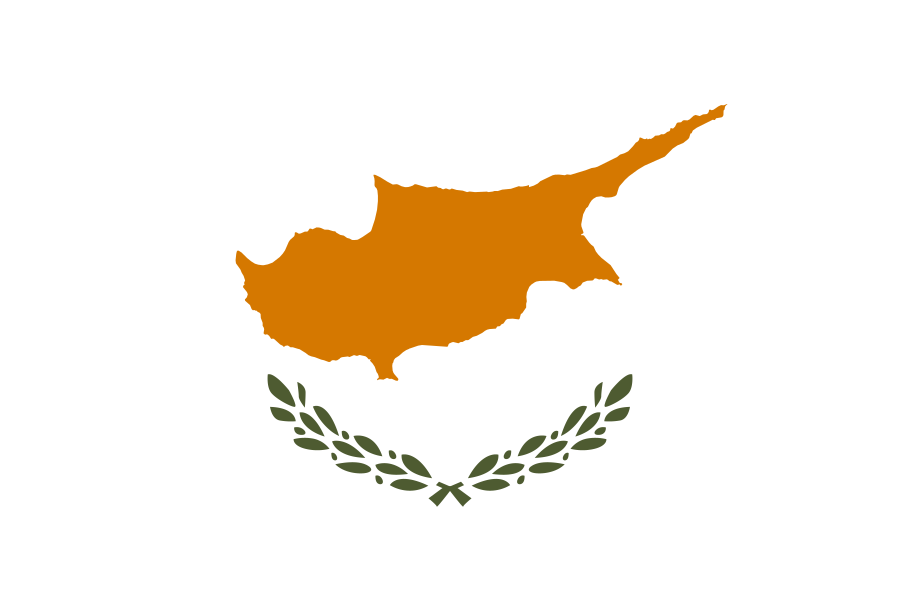
Cyprus
· CY

Cyprus

Cyprus

Cyprus: Where Ancient History Meets Mediterranean Paradise Sun-drenched beaches, turquoise waters, and a captivating blend of ancient history and modern vibrancy await you in Cyprus, the jewel of the Mediterranean. This …

#island nation#Mediterranean Sea#European Union member#beach destination#historical sites
1/16

Top hotels & flights

Hand-picked stays and the best fares into Cyprus.

Top Hotels in Nicosia

Top Flights to Nicosia

Popular activities

Tours, tickets and experiences travelers book most in Cyprus.

Tours

Discover Ancient Cyprus

Explore the rich history and archaeological wonders of Cyprus, from ancient ruins to well-preserved mosaics.

Shopping

Limassol Marina Shopping

An upscale shopping destination with a mix of international brands and local boutiques by the sea.

Outdoor

Hiking Troodos Mountains

Experience the natural beauty of the Troodos Mountains with numerous hiking trails varying in difficulty.

Location videos

Real reels from travelers, plus longer watches to get the full picture.

From travelers
Watch & explore

Practical info

The essentials for planning your time in Cyprus.

Currency
€ | EUR | Euro
Population
1.2 million
Languages
Greek, Greek, Turkish, English
Average weather
Cyprus
Jan
rain
15°7°
Feb
rain
16°7°
Mar
cloud
18°8°
Apr
clear
22°11°
May
sun
26°15°
Jun
hot
30°19°
Jul
hot
33°22°
Aug
hot
33°22°
Sep
sun
31°20°
Oct
clear
27°16°
Nov
cloud
22°12°
Dec
rain
17°9°

Local guide

What travelers love, what to watch for, and a deeper read on Cyprus.

What people love

Cyprus is a beautiful island located in the eastern Mediterranean Sea, known for its stunning beaches, rich history, and vibrant culture. Here are some pros of traveling to Cyprus:

  1. Beautiful Beaches: Cyprus is home to some of the most picturesque beaches in the Mediterranean. The island boasts crystal-clear waters, golden sands, and a variety of water sports activities such as snorkeling, diving, and sailing.

  2. Rich History: Cyprus has a long and diverse history, with influences from various civilizations including Greek, Roman, Byzantine, and Ottoman. Visitors can explore ancient ruins, medieval castles, and Byzantine churches throughout the island.

  3. Cultural Experiences: Cyprus has a unique blend of Greek and Turkish cultures, offering visitors a chance to experience traditional Cypriot cuisine, music, and dance. The island also hosts various cultural events and festivals throughout the year.

  4. Outdoor Activities: Cyprus is a paradise for outdoor enthusiasts, with a range of activities such as hiking, cycling, and birdwatching available. The island's diverse landscape includes mountains, forests, and coastal plains, providing ample opportunities for exploration.

  5. Mild Climate: Cyprus enjoys a Mediterranean climate with mild winters and hot summers, making it an ideal destination for year-round travel. The island receives plenty of sunshine, making it perfect for beach holidays and outdoor adventures.

Overall, traveling to Cyprus offers a mix of natural beauty, cultural experiences, and historical sites that appeal to a wide range of visitors.

What to know

Traveling to Cyprus does have some potential cons that visitors should be aware of:

  1. Cost: Cyprus can be relatively expensive compared to other destinations in the Mediterranean region. Accommodation, dining, and transportation costs can add up quickly, especially in popular tourist areas.

  2. Crowds: During peak tourist seasons, popular areas in Cyprus can become quite crowded, making it challenging to find peace and quiet. This is especially true in coastal cities and resort areas.

  3. Public Transportation: While Cyprus does have a public transportation system, it may not be as efficient or widespread as in other European countries. Renting a car may be necessary to explore the island fully.

  4. Language Barrier: While English is widely spoken in tourist areas, the official languages of Cyprus are Greek and Turkish. Travelers may encounter language barriers when venturing off the beaten path.

  5. Weather Extremes: Summers in Cyprus can be scorching hot, with temperatures often exceeding 30°C (86°F). This can make outdoor activities uncomfortable for some travelers.

  6. Driving Challenges: Driving in Cyprus can be a challenge for some visitors due to narrow roads, aggressive drivers, and different traffic rules compared to other countries. Additionally, parking can be difficult to find in busy areas.

  7. Political Situation: Cyprus has a complex political situation due to the division of the island between the Republic of Cyprus and the self-declared Turkish Republic of Northern Cyprus. Travelers should be aware of any political developments and follow local advice to avoid any potential issues.

It's worth noting that despite these cons, Cyprus remains a popular and beautiful destination with much to offer visitors.

Cyprus is an island nation in the Eastern Mediterranean with a rich history that spans thousands of years. Its strategic location has made it a crossroads of civilizations throughout history, and it has been influenced by various cultures and empires.

Ancient Period

  • Neolithic Period (circa 10,000 BC): The earliest evidence of human activity on Cyprus dates back to the Neolithic age. Sites like Khirokitia are significant from this period.
  • Bronze Age (circa 2500–1050 BC): Cyprus became an important center for trade due to its copper resources. It had connections with ancient Egypt and the Aegean civilizations.
  • Mycenaean Influence (circa 1400 BC): The arrival of Mycenaean Greeks introduced Greek language and culture to the island, which has persisted to this day.

Classical and Hellenistic Periods

  • Assyrian and Egyptian Rule (circa 800–500 BC): Cyprus fell under the influence of several Near Eastern empires, including the Assyrians and Egyptians.
  • Persian Rule (circa 525 BC): Cyprus was incorporated into the Persian Empire under Cambyses II.
  • Hellenistic Period (circa 333–58 BC): After Alexander the Great's conquests, Cyprus became part of the Hellenistic world under the Ptolemaic Kingdom of Egypt.

Roman and Byzantine Periods

  • Roman Cyprus (58 BC – 395 AD): Cyprus became a Roman province. During this time, Christianity began to spread, with St. Paul visiting the island.
  • Byzantine Period (395–1191): Cyprus remained part of the Byzantine Empire. Important Christian landmarks from this era include the Painted Churches in the Troodos Region, a UNESCO World Heritage site.

Medieval and Ottoman Periods

  • Richard the Lionheart (1191): During the Third Crusade, Richard I of England captured Cyprus, which he then sold to the Knights Templar.
  • Lusignan and Venetian Rule (1192–1571): The island was ruled by the Frankish Lusignan dynasty and later by the Republic of Venice.
  • Ottoman Rule (1571–1878): The Ottomans conquered Cyprus, introducing significant changes to its administration and demographics.

British Rule and Modern Era

  • British Administration (1878–1960): Cyprus was leased to the British Empire and later annexed. It became a Crown Colony in 1925.
  • Independence (1960): Cyprus gained independence from Britain, with Archbishop Makarios III becoming its first president. The Zurich and London Agreements established the Republic of Cyprus.
  • Intercommunal Violence (1963–1974): Tensions between Greek Cypriots and Turkish Cypriots led to violence and UN peacekeeping interventions.
  • Turkish Invasion (1974): Following a coup by Greek Cypriot nationalists, Turkey invaded Cyprus, leading to the island's division. The north declared itself the Turkish Republic of Northern Cyprus (recognized only by Turkey).

Recent History

  • European Union Membership (2004): The Republic of Cyprus joined the EU, although the acquis communautaire is suspended in the north.
  • Ongoing Peace Efforts: Numerous peace talks have aimed at reunifying the island, but a lasting solution has yet to be reached.

Important Landmarks

  • Khirokitia: A Neolithic settlement and UNESCO World Heritage site.
  • Ancient Kourion: An archaeological site with Greco-Roman ruins.
  • Kyrenia Castle: A well-preserved castle on the northern coast.
  • St. Hilarion Castle: A medieval fortress with stunning views.
  • Paphos: A city with numerous ancient sites, including the Tombs of the Kings and the mosaics at the House of Dionysos.

Cyprus's history is marked by various cultural influences and conflicts, which have shaped its unique identity and heritage.