
Cumberland
· US

Cumberland

Cumberland, Maryland, United States

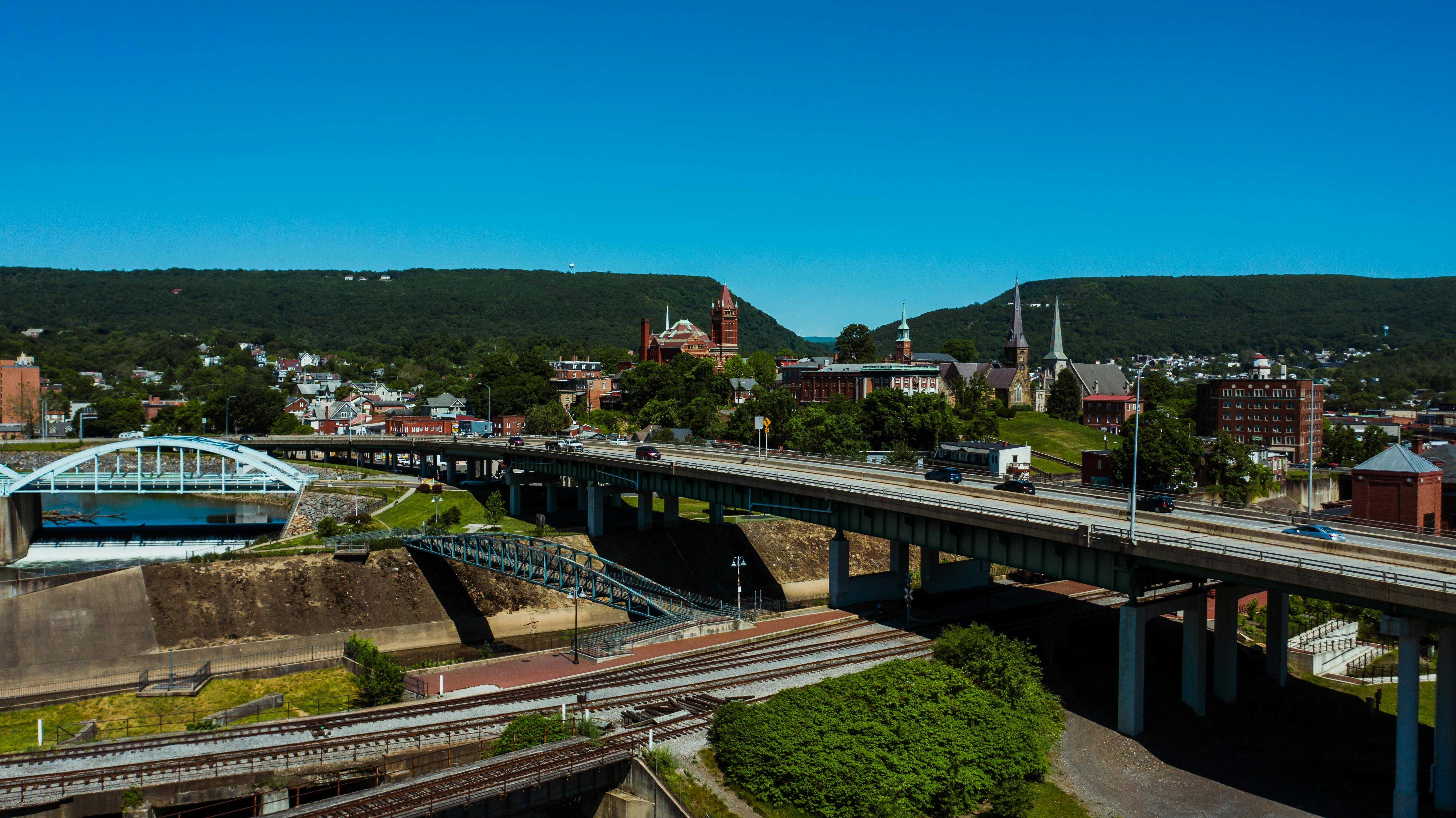
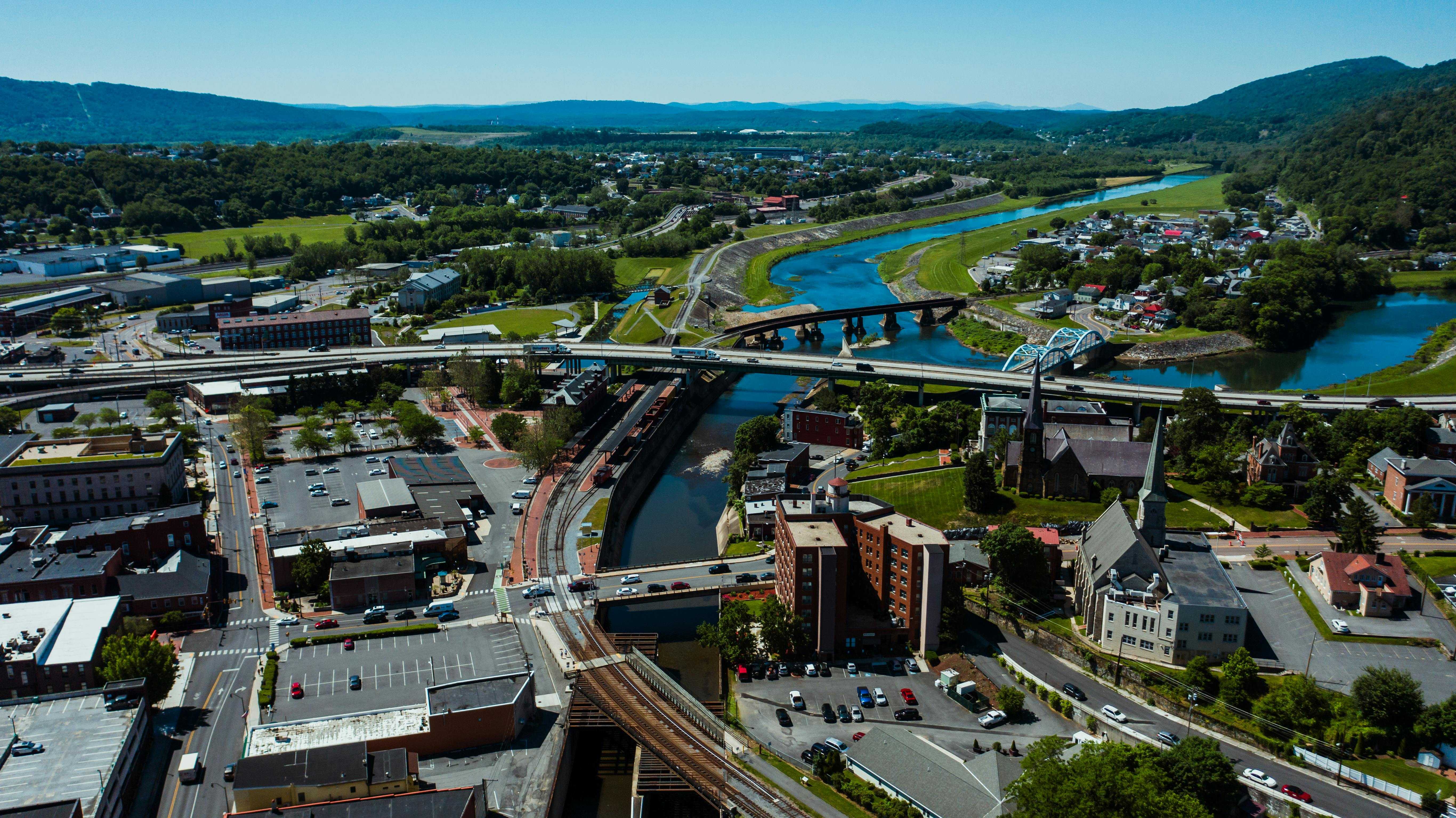
Cumberland, Maryland, located in the heart of the Appalachian Mountains in the United States, is a charming city with a rich history and stunning natural beauty. Situated along the Potomac River, Cumberland offers a perf…

#Appalachian Mountains#Historic#Outdoor Recreation#Railroad History#Western Maryland Scenic Railroad
1/2

Top hotels & flights

Hand-picked stays and the best fares into Cumberland.

Top Hotels in Cumberland

Top Flights to Cumberland

Location videos

Real reels from travelers, plus longer watches to get the full picture.

From travelers
Watch & explore

Practical info

The essentials for planning your time in Cumberland.

Currency
$ | USD | US Dollar
Population
The approximate estimated total population of Cumberland, Maryland, United States is around 19,300.
Languages
English, English
Average weather
Cumberland
Jan
snow
4°-5°
Feb
snow
6°-4°
Mar
cloud
11°0°
Apr
rain
16°4°
May
sun
21°9°
Jun
clear
26°14°
Jul
hot
29°17°
Aug
hot
28°16°
Sep
sun
24°12°
Oct
cloud
18°6°
Nov
rain
11°1°
Dec
snow
6°-3°

Local guide

What travelers love, what to watch for, and a deeper read on Cumberland.

What people love

Cumberland, Maryland, located in the United States, offers several pros for travelers. Some of the key advantages of traveling to Cumberland include:

  1. Scenic Beauty: Cumberland is surrounded by picturesque mountains, making it a perfect destination for nature lovers. Visitors can enjoy scenic drives, hiking trails, and outdoor activities in the nearby areas such as the Cumberland Gap National Historical Park and the C&O Canal National Historical Park.

  2. History and Culture: Cumberland has a rich history dating back to the colonial era and played a significant role in the development of the United States. Travelers can explore historic sites, museums, and heritage trails to learn about the city's past and cultural significance.

  3. Outdoor Recreation: Cumberland offers a wide range of outdoor recreational opportunities, including biking, fishing, camping, and water sports. The nearby Potomac River and Rocky Gap State Park are popular destinations for outdoor enthusiasts.

  4. Railroading Heritage: Cumberland is known for its strong connection to the railroad industry, with the Western Maryland Scenic Railroad offering scenic train rides through the mountains. Visitors can experience a piece of history and learn about the importance of railroading in the region.

  5. Local Cuisine: Cumberland boasts a diverse culinary scene with a variety of restaurants offering local specialties and international cuisine. Travelers can indulge in delicious meals featuring fresh seafood, Maryland crab cakes, and other regional delicacies.

Overall, Cumberland, Maryland, offers a unique blend of natural beauty, history, outdoor activities, and cultural experiences, making it a compelling destination for travelers seeking a diverse and enriching travel experience.

What to know

Some potential cons of traveling to Cumberland, Maryland, United States, include:

  1. Limited public transportation: Cumberland is a relatively small city with limited public transportation options, which may make it challenging to get around without a car.

  2. Limited dining and entertainment options: While Cumberland has some restaurants and attractions, it may not offer as many diverse dining and entertainment options as larger cities.

  3. Seasonal weather: Cumberland experiences four distinct seasons, which means travelers should be prepared for potentially extreme weather conditions depending on the time of year.

  4. Limited shopping opportunities: Cumberland may not have as many shopping opportunities as larger cities, so those looking for extensive retail options may be disappointed.

  5. Limited cultural attractions: While Cumberland has some historical sites and cultural attractions, it may not offer as many options as larger cities in terms of museums, theaters, and cultural events.

Overall, Cumberland may not offer as many amenities or activities as larger cities, so travelers should be prepared for a more laid-back and relaxed experience when visiting the area.

Cumberland, Maryland, is a city with a rich history that reflects both its strategic location and its role in American development. Here is a detailed history of Cumberland, Maryland:

Early History:

  • Cumberland is located in Western Maryland and is known as the "Queen City" because it was once Maryland's second-largest city.
  • The area was originally inhabited by Native American tribes, including the Shawnee and the Delaware.

18th Century:

  • In 1754, the area that would become Cumberland was the site of Fort Cumberland. This fort was a key military outpost during the French and Indian War. It is famous for being the headquarters of Colonel George Washington, who was then a young officer.
  • Fort Cumberland played a role in the early colonial frontier defense and was part of the Braddock Expedition during the war.

19th Century:

  • The city was officially laid out in 1785 and was named in honor of Prince William, the Duke of Cumberland.
  • Cumberland became an important transportation hub in the 19th century due to its location at the head of the Chesapeake and Ohio Canal, which opened in 1850. The canal connected the city to Washington, D.C., facilitating trade and economic growth.
  • The arrival of the Baltimore and Ohio Railroad further enhanced Cumberland's status as a transportation center, promoting the coal industry in the region.
  • During the Civil War, Cumberland was occupied at different times by both Union and Confederate forces, but it remained under Union control for most of the war.

20th Century:

  • The city continued to thrive as a center of industry and transportation through the early 20th century, with industries such as glass, brewing, and textiles contributing to its economy.
  • However, like many industrial towns, Cumberland faced economic challenges in the latter half of the 20th century as industries declined.

Significant Landmarks:

  • The Western Maryland Railway Station, now a museum, highlights Cumberland's rich railroad history.
  • The Emmanuel Episcopal Church, built on the site of Fort Cumberland, is notable for its beautiful architecture and historical significance.
  • The Cumberland Narrows, a scenic gorge west of the city, is a natural landmark that has been an important transportation route through the Appalachian Mountains.
  • The downtown area of Cumberland features historic architecture and is part of a revitalization effort to preserve the city's heritage.

Notable Historical Figures:

  • George Washington spent considerable time in Cumberland during the French and Indian War and later visited the city during his presidency.
  • Thomas Cresap, a frontiersman, played a significant role in the early settlement of the region.

Cumberland's history as a military post, transportation hub, and industrial center has shaped its development and character. Today, the city is known for its historic sites, natural beauty, and efforts to preserve its rich heritage.