







Top hotels & flights
Hand-picked stays and the best fares into Cuetzalan.
Top Hotels in Cuetzalan
Top Flights to Cuetzalan
Location videos
Real reels from travelers, plus longer watches to get the full picture.
Practical info
The essentials for planning your time in Cuetzalan.

Local guide
What travelers love, what to watch for, and a deeper read on Cuetzalan.
What people love
Cuetzalan, located in the state of Puebla, Mexico, is a charming and picturesque town known for its rich indigenous culture, stunning natural beauty, and vibrant traditions. Here are some of the pros of traveling to Cuetzalan:
-
Cultural Experience: Cuetzalan is a hub of indigenous culture, with a strong presence of the Nahuatl people. Visitors can immerse themselves in the local traditions, music, dance, and cuisine, providing a unique and authentic cultural experience.
-
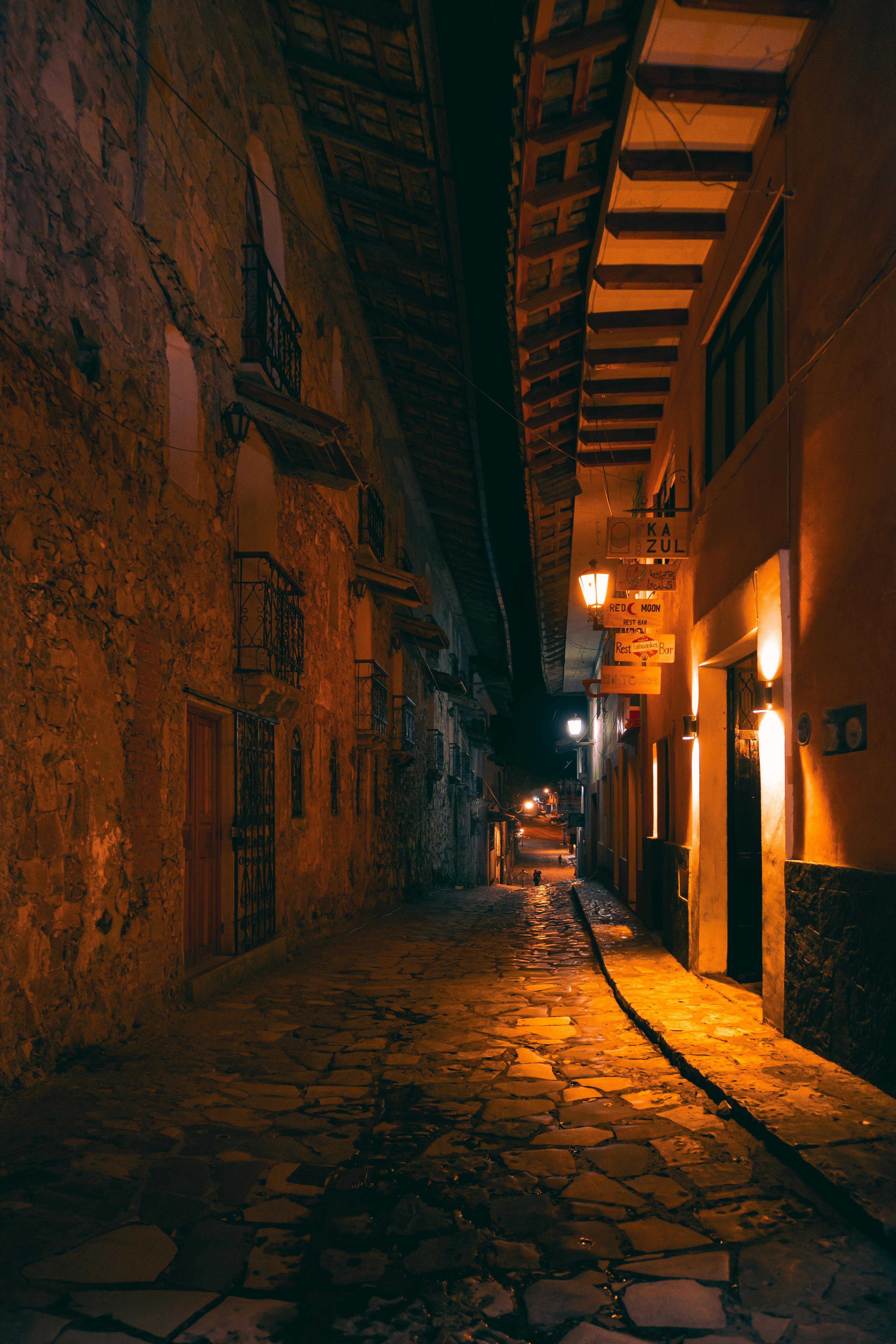
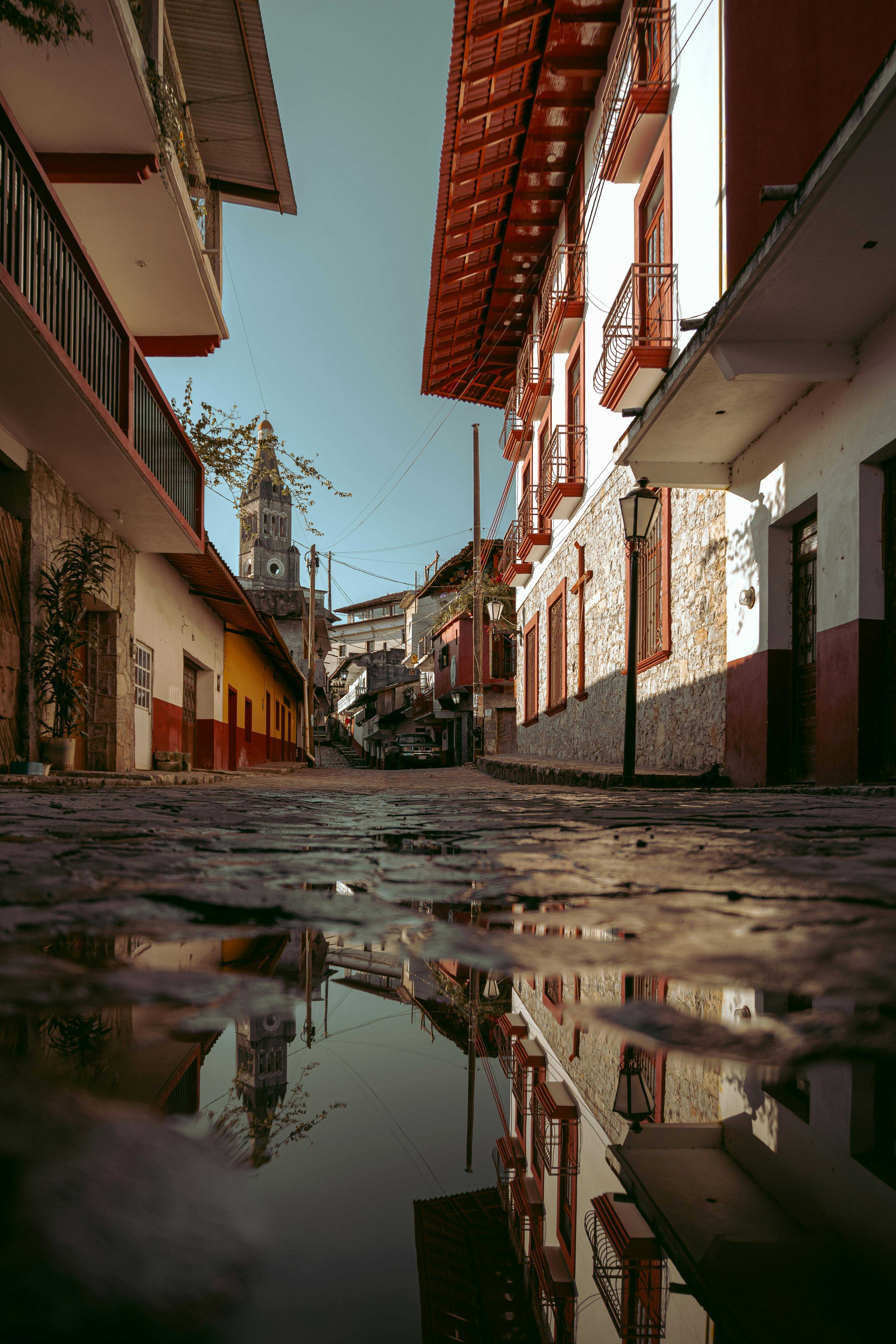
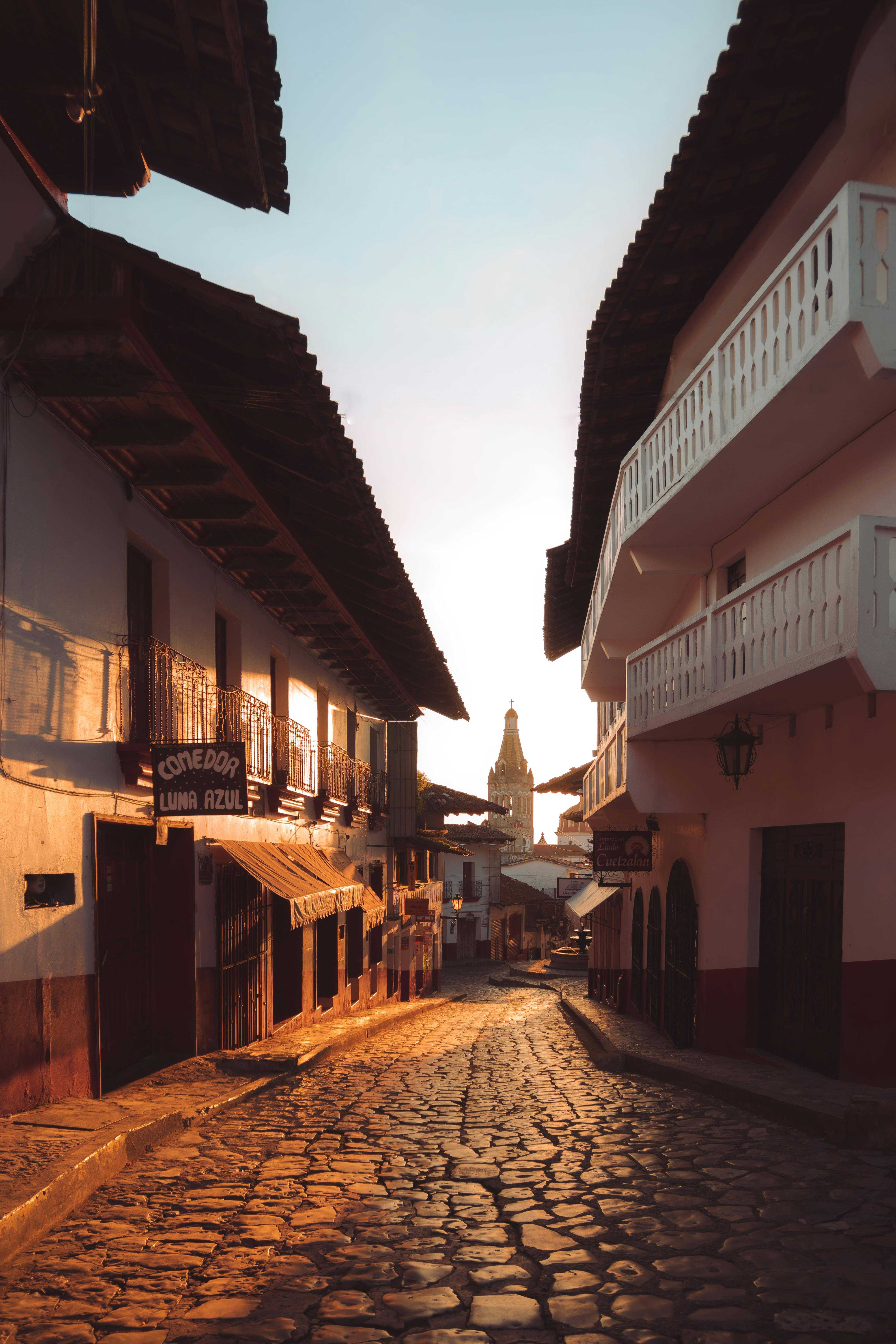
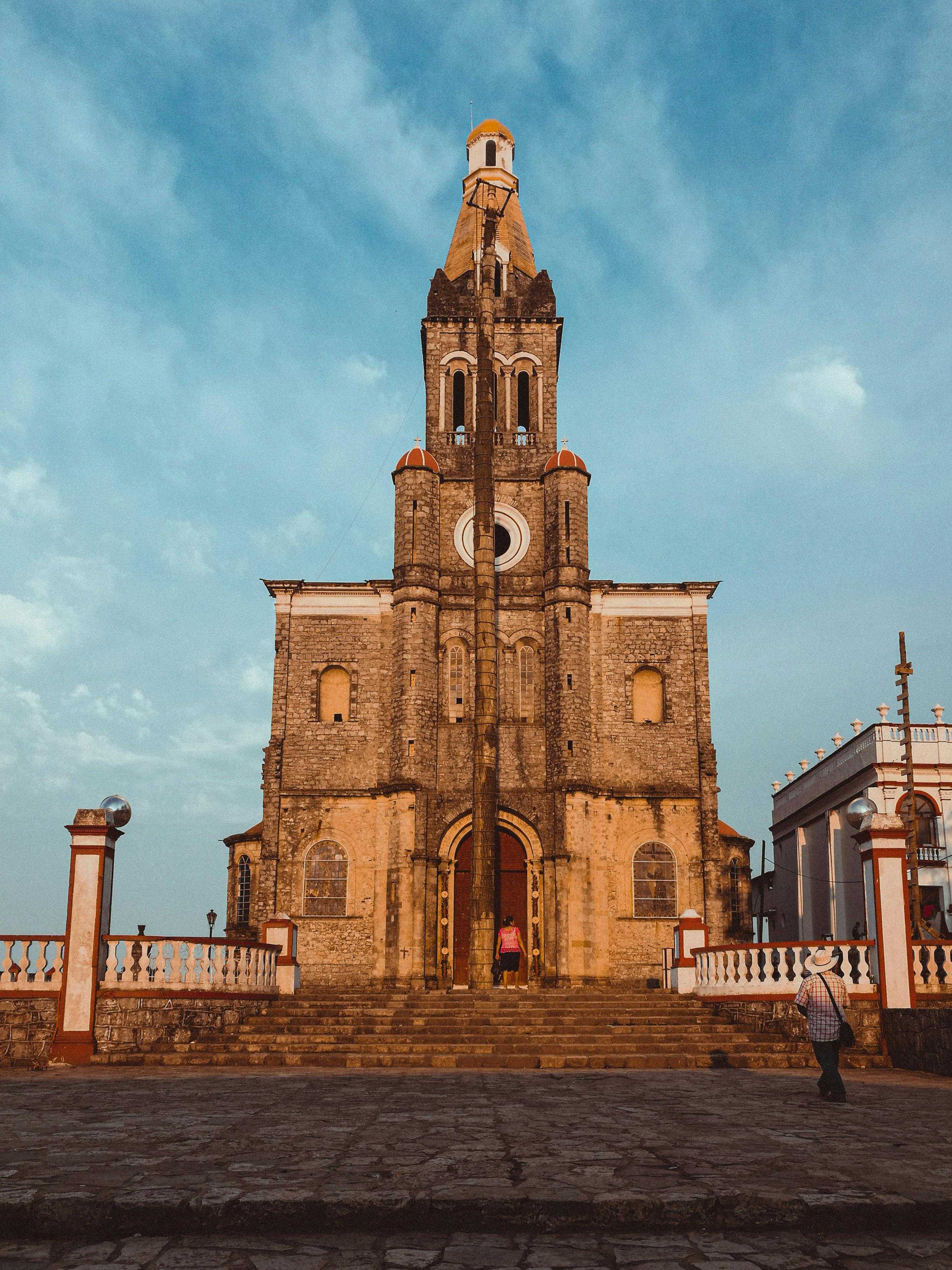
Architecture and History: The town is home to beautiful colonial architecture, including the iconic Parroquia de San Francisco de Asís church with its distinctive yellow facade and intricate details. Exploring the cobblestone streets and historic buildings offers a glimpse into the region's fascinating history.
-
Natural Beauty: Cuetzalan is surrounded by lush mountains, waterfalls, and coffee plantations, making it a paradise for nature lovers. Visitors can hike through the cloud forests, swim in natural pools, and enjoy breathtaking views of the countryside.
-
Adventure Activities: The region offers a range of outdoor activities for adventure seekers, including zip-lining, rappelling, and hiking to archaeological sites. The nearby Yohualichan ruins provide a fascinating glimpse into the area's pre-Hispanic past.
-
Culinary Delights: Cuetzalan is famous for its delicious cuisine, including traditional dishes such as mole, tamales, and coffee. Visitors can sample local delicacies at the colorful market or dine in cozy restaurants serving authentic Pueblan fare.
Overall, traveling to Cuetzalan offers a mix of cultural immersion, natural beauty, and adventure, making it a must-visit destination for those seeking an authentic Mexican experience.
What to know
Traveling to Cuetzalan, Puebla, Mexico can have some cons that visitors should be aware of:
-
Limited Transportation Options: Cuetzalan is a small town located in a mountainous region, so transportation options to and from the town may be limited. Visitors may have to rely on buses or private transportation, which can be time-consuming and may not always be reliable.
-
Altitude Sickness: Cuetzalan is situated at a high altitude, which can cause altitude sickness in some individuals. Symptoms of altitude sickness can include headaches, nausea, and shortness of breath. Visitors should be prepared for the effects of high altitude and take necessary precautions.
-
Limited Facilities: As a small town, Cuetzalan may have limited facilities and amenities compared to larger cities. This can include fewer choices for accommodations, restaurants, and other services. Visitors should be prepared for a more rustic and basic travel experience.
-
Language Barrier: While some locals in Cuetzalan may speak English, the predominant language is Spanish. Visitors who do not speak Spanish may encounter communication challenges, which could make it difficult to navigate the town and interact with locals.
-
Weather Variability: Due to its mountainous location, Cuetzalan can experience unpredictable weather patterns. Visitors should be prepared for changes in weather, including rain and cooler temperatures, especially if traveling during the rainy season.
-
Limited Activities: While Cuetzalan offers beautiful natural scenery and cultural attractions, the town may have limited options for activities compared to larger tourist destinations. Visitors looking for a wide range of entertainment and leisure options may find Cuetzalan lacking in this regard.
Overall, while Cuetzalan offers a unique and charming travel experience, visitors should be prepared for the challenges that come with traveling to a small, remote town in a mountainous region.